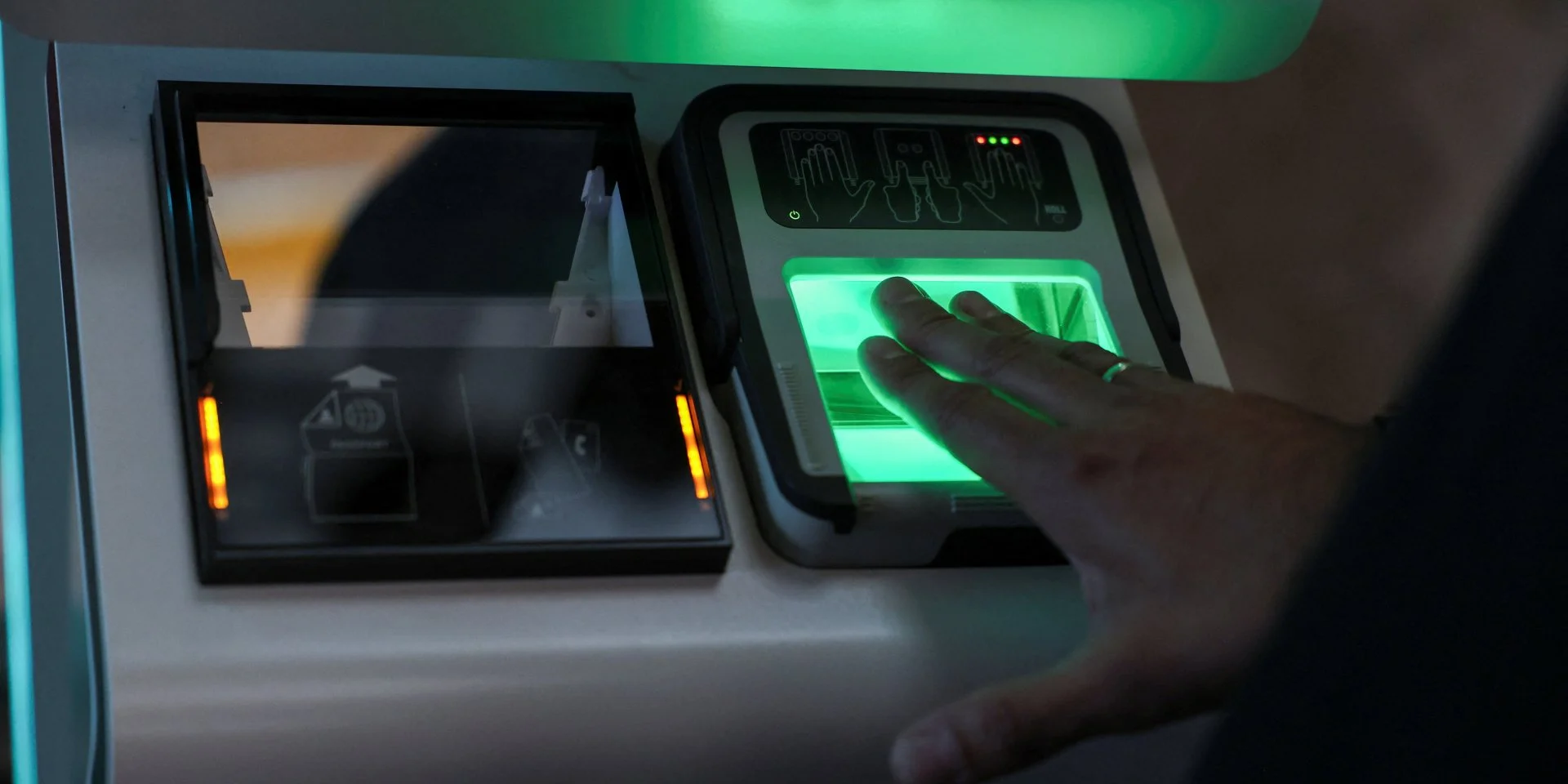
The EES system is in operation at the external borders of EU member states; it records the entry and exit of foreign nationals and replaces stamps in foreign passports with electronic records. During the initial registration, a photo and biometric profile are created, so checks may take longer; subsequent border crossings should be quicker.
Briefly about the main points
- Your first registration with the EES may take longer to complete due to the creation of a biometric profile.
- The system operates at the external borders of the 29 member states, including Romania.
- The EES records entries, exits and refusals of entry electronically.
- The limit on short stays remains: up to 90 days within a 180-day period.
- People with temporary protection in the EU are not registered in the EES once their status has been confirmed.
Who is the EES intended for, and what does this mean for the Romanian route?
Full mode EES It came into force on 10 April 2026 at the external borders of the 29 participating European countries. It applies to third-country nationals travelling for a short period without a visa or on a short-stay visa. Romania is part of this system, so the new rules also apply at the «Siret» border crossing point on the external border of the Schengen Area.
Biometric registration does not apply to everyone crossing the border. The EES does not apply, in particular, to nationals of participating countries, holders of residence permits and long-stay visas. People with temporary protection in the EU are also exempt from registration if they can confirm their status.
What determines the duration of monitoring?
During the initial border crossing, border guards create a traveller’s profile in the system. Where self-service terminals are available or where some details can be entered in advance, these can simplify the procedure, but they do not replace the checks carried out by a border guard.
The time taken to process passengers on a particular route may also depend on passenger flow, the number of open lanes, the number of first-time travellers, and the technical facilities at the checkpoint. In April, the Romanian border police stated that the additional EES operations had not caused any delays at national level.
Electronic registration of stay instead of passport stamps
The EES enters details of entry, exit or refusal of entry into the electronic register. It automatically calculates the remaining period of the permitted short-term stay — no more than 90 days in any 180-day period. The system does not alter the rule itself.
Personal data is processed in accordance with EU regulations for the purposes of border control, immigration and law enforcement as required by law. Fingerprints are not taken from children under the age of 12. Before your first journey, it is worth checking whether the EES applies to your traveller status and allowing extra time for processing.