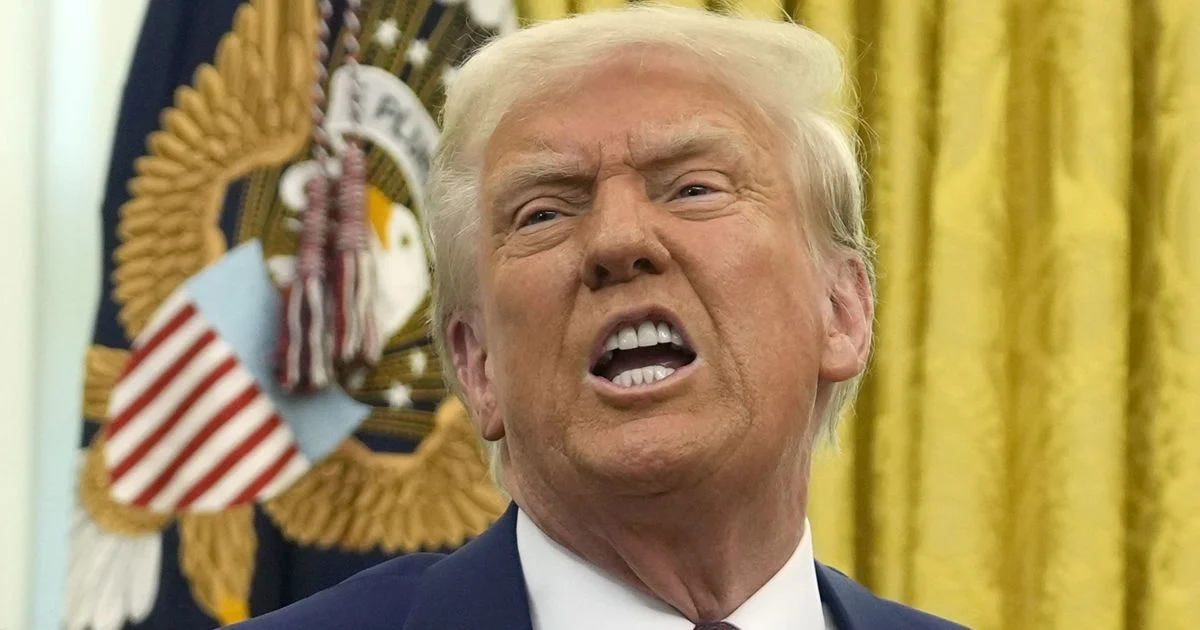
On 17 August, US President Donald Trump threatened to launch strikes against Oman if, in his words, the sultanate were to obstruct US negotiations with Iran regarding an end to the war and the situation in the Strait of Hormuz. The statement came on the day the negotiation deadline set out in the agreements between Washington and Tehran expired, without a long-term deal having been reached.
Briefly about the main points
- Trump linked the threat to Oman to US negotiations with Iran.
- Muscat and Tehran are discussing future rules governing the passage of ships.
- The US has confirmed an unofficial channel of communication with representatives of the IRGC.
- The June memorandum did not lead to a long-term agreement.
- Around a quarter of the world’s maritime oil trade passes through the strait.
Oman and Iran are drawing up a plan for the passage of ships
The threat was made against the backdrop of separate discussions between Muscat and Tehran regarding the safe passage of merchant ships through the Strait of Hormuz. Iranian Foreign Ministry spokesman Esmail Baghai stated that the parties had reached an understanding regarding a «transit route map» and were finalising the details and a joint statement.
Back on 23 June, Oman and Iran set up a working group between their foreign ministries. Its remit is to advise on the future administration of shipping, maritime services and associated costs, as well as to liaise with other coastal states and stakeholders.
Under the plan outlined earlier by the AP, vessels would be able to enter the strait closer to Iran and exit closer to Oman. No fees or duties were to be levied during the transitional period.
Washington is maintaining a channel of communication with the IRGC
Trump has confirmed the existence of an unofficial channel of communication between the US and representatives of the Islamic Revolutionary Guard Corps. According to Fox News, this channel allows for contact to be maintained outside the traditional intermediaries and certain sections of Iran’s political leadership.
The US President has stated that he is in no hurry to conclude a new agreement. At the same time, he insists that Iran must not be allowed to acquire nuclear weapons, and stated that Tehran must raise the «white flag of surrender».
The memorandum did not develop into a long-term agreement
The June memorandum between the US and Iran was intended to lay the foundations for a cessation of hostilities, the resumption of shipping through the strait and further negotiations on Iran’s nuclear programme. The White House publicly announced its signing at the time.
By the end of the specified period, the parties had not reached a comprehensive long-term agreement. The Associated Press reported that the negotiations had reached an impasse due to significant differences between Washington and Tehran; however, Trump has spoken of continuing talks.
A large flow of energy depends on the flow regime in the strait
Strait of Hormuz is one of the key routes for the transport of energy resources from the Persian Gulf. According to estimates by the International Energy Agency, in 2025 around 20 million barrels of oil and petroleum products passed through it each day — approximately a quarter of global maritime oil trade. Around 80% of this volume was bound for Asia.
Approximately 19% of global liquefied natural gas trade also passed through the strait, primarily from Qatar and the UAE. The new transit regime has yet to define the routes, control mechanisms, maritime services and any fees following the transition period.