On 17 November 2026, the United Nations published a new global report on the dangers of endocrine disruptors — chemicals capable of disrupting the human endocrine system. According to the researchers’ estimates, the annual costs of treating diseases and losses in productivity linked to exposure to these substances exceed $1.1 trillion worldwide. The study was prepared by the United Nations Environment Programme (UNEP) and the World Health Organisation (WHO). Its findings were published by the Associated Press and official UN sources.
Which everyday products might contain hazardous chemicals?
New report State of the Science of Endocrine-Disrupting Chemicals 2026 dedicated to endocrine disruptors (EDCs) — substances that can interfere with the production, transmission or action of hormones.
The endocrine system regulates metabolism, growth, reproductive health and the body’s development. Disruptions to its functioning can affect various organs and systems.
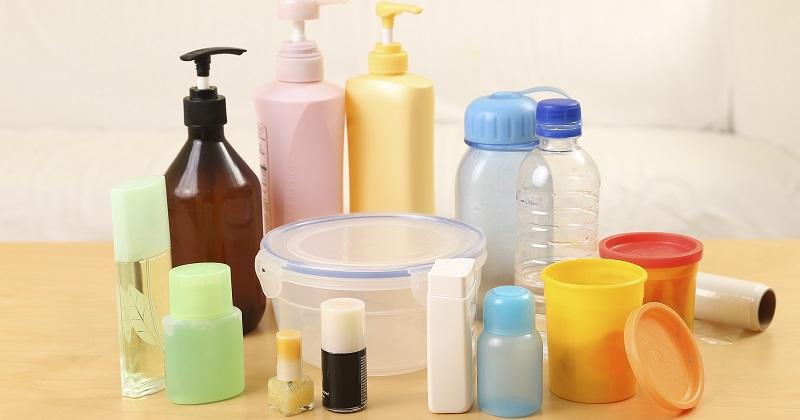
According to the UN, substances with endocrine-disrupting properties may be found in the following categories of products:
-
plastic food containers and packaging;
-
cosmetics, shampoos and personal care products;
-
children’s toys and childcare products;
-
kitchenware and coatings for individual items;
-
clothing, furniture and household goods;
-
electronics, pesticides and certain pharmaceutical products.
Researchers cite bisphenols, phthalates, certain PFAS and parabens as examples of well-known groups of substances. These can enter the body through food, water, air, dust and skin contact.
However, the mere presence of a particular chemical compound in a product does not in itself prove that that specific product is hazardous. The risk depends on the properties of the substance, the level of exposure and the duration of exposure.
What conditions are linked to exposure to endocrine disruptors?
The report emphasises that, over the past 14 years, scientific evidence has shown that certain endocrine disruptors have a negative impact on health have expanded significantly.
Researchers have identified a link between exposure to these substances and disorders affecting reproductive function, thyroid function, metabolism and the development of the nervous system.
Scientific research also links certain types of exposure to an increased risk of obesity, type 2 diabetes, cardiovascular disease, certain types of cancer and metabolic liver diseases.
The authors paid particular attention to pregnant women and young children. Exposure to certain chemicals can begin even before birth and affect a child’s brain development, cognitive abilities and behaviour.
At the same time, the link between exposure to a substance and an increased risk of disease does not mean that every instance of exposure to it will necessarily lead to illness.
Why do economic losses exceed $1.1 trillion every year?
The calculation covers medical costs and economic losses resulting from illnesses that researchers attribute to the effects of these chemicals.
Researchers describe the estimate as conservative, as it takes into account only some of the substances and diseases for which sufficient data is available.
This figure does not include all the additional losses resulting from the contamination of drinking water, the loss of biodiversity and the potential impact on food production. Consequently, the actual overall economic consequences may be significantly greater.
Over 350,000 substances are used worldwide, but the majority have not been properly tested
According to UNEP and WHO, there are over 350,000 chemical substances and mixtures registered worldwide for manufacturing and industrial use.
However, only a small proportion of them have been studied for their potential to disrupt the endocrine system.
This does not mean that all 350,000 compounds are toxic or dangerous. The problem lies in the lack of research needed to identify potential risks.
The report emphasises the need to improve testing methods, the monitoring of chemicals in consumer goods and the international exchange of information.
The new findings were presented at the first International Conference of the Global Framework Programme on Chemicals, which is taking place in Geneva from 16 to 20 November 2026.
How to minimise the impact of hazardous substances in the home
UN experts emphasise that it is difficult to avoid contact with endocrine disruptors entirely, but the risks can be reduced through simple changes in everyday life.
When storing and reheating food, it is recommended to use glass containers or stainless steel cookware more often, rather than plastic items, which may release undesirable chemical compounds.
When choosing cosmetics and personal care products, it is worth paying attention to the ingredients, and when buying toys for children, ensure they meet chemical safety standards.
Regularly airing out rooms also helps to reduce the concentration of certain substances released from furniture and electronic devices.
At the same time, the UN emphasises that individual measures are not enough. The primary responsibility for reducing hazardous chemicals in products lies with manufacturers and government regulators.
As of 17 November, the UNEP and WHO report has been published, together with recommendations for governments and industry. The document does not impose any new global bans, but calls for stricter testing of chemicals, greater monitoring of consumer goods and the use of safer alternatives.