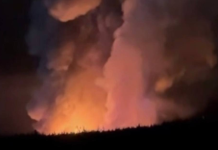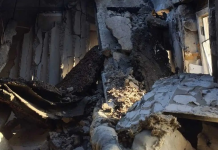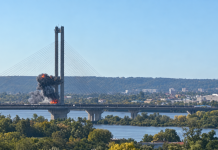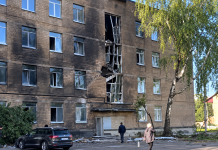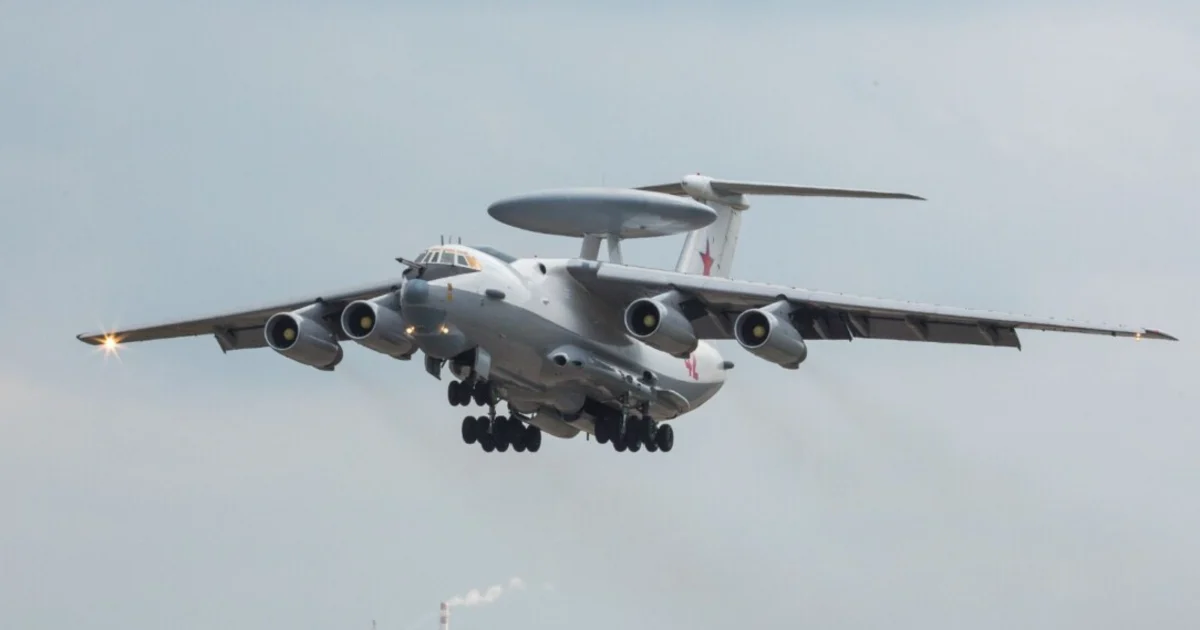
Russia is intercepting almost all Ukrainian «Flamingo» cruise missiles, according to the German magazine Focus, citing Euromaidan Press. According to the report, Russian A-50U long-range early-warning aircraft are being deployed along likely flight paths to detect the missiles in advance and guide ground-based weapons towards them. This has slowed down Ukrainian strikes on key industrial targets in the Russian Federation.
Briefly about the main points
- Since 1 July, the Russian Federation has shot down 10 of the 11 «Flamingo» drones that were launched.
- The A-50U detects low-flying missiles sooner than ground-based radars.
- According to the source, strikes on industrial targets in Russia have slowed down.
- Ukraine has destroyed two A-50U aircraft and damaged at least two.
- Fire Point is adapting the «Flamingo» altimeter for lower-altitude flight.
The interception rate has risen since July
According to estimates by the OSINT project AMK Mapping, as reported by Focus, Russian forces have shot down 10 out of 11 missiles launched since 1 July «Flamingo». The publication notes that it is impossible to verify this figure independently.
The French newspaper L’Indépendant reported that, as a result, Ukrainian attacks on key Russian industrial sites had lost momentum. In June, individual missiles were still managing to breach defences: on 9–10 June, two «Flamingo» missiles struck the WNIIR-Progress factory in Cheboksary, causing major explosions and fires.
On the night of 6 August, Ukraine fired at least three missiles at targets in the Tyumen Oblast in Western Siberia. According to AMK Mapping, they travelled approximately 2,500 kilometres, but it was not possible to track their subsequent route.
The A-50U guides ground-based air defence systems to low-flying targets
According to Focus, the Russian Air Force is deploying its remaining Beriev A-50U long-range early warning and control aircraft along the likely flight paths of Ukrainian missiles. The aircraft are patrolling at high altitude over Russian territory and transmitting data to guide ground-based strike systems.
The publication believes that the deployment of the A-50U since July has changed the situation for «Flamingo». Airborne radars are capable of detecting low-flying targets earlier than ground-based radars, which are obstructed by the terrain, woodland and buildings.
Pre-emptive strikes and the capabilities of the Ukrainian missile
Between 24 and 25 July, at least one missile struck the Awitek factory in the Kirov Region — approximately 1,300 kilometres from the Ukrainian border. The plant manufactures, amongst other things, components for the Russian «Tor» air defence system, which is used to counter such missiles.
RAND analyst Michael Bonert wrote on X that slowing down production at this plant could have the greatest impact. In his view, this could hamper the production of countermeasures against «Flamingo».
The missile is being developed by the Ukrainian company Fire Point. According to L’Indépendant, the six-tonne missile, equipped with a turbojet engine, has a range of up to 3,000 kilometres, carries a warhead weighing 1,150 kilograms and costs around 500,000 dollars.
Ukraine is attacking AWACS aircraft and altering their flight profiles
Ukraine has already destroyed two A-50Us and damaged at least two, according to Euromaidan Press. According to its assessment, Russia may have no more than five operational aircraft of this type remaining. Moscow is unable to replenish its fleet quickly: the sole manufacturer is hampered by sanctions, and the prototype of the next model, according to a source, has been destroyed.
According to the publication, Fire Point has modified the «Flamingo» altimeter so that the missile can fly even lower. This flight profile is intended to make it harder to spot against the backdrop of the terrain, trees and buildings; however, it has not yet resulted in a breakthrough against Russian defences: the majority of launches fail to hit their targets.