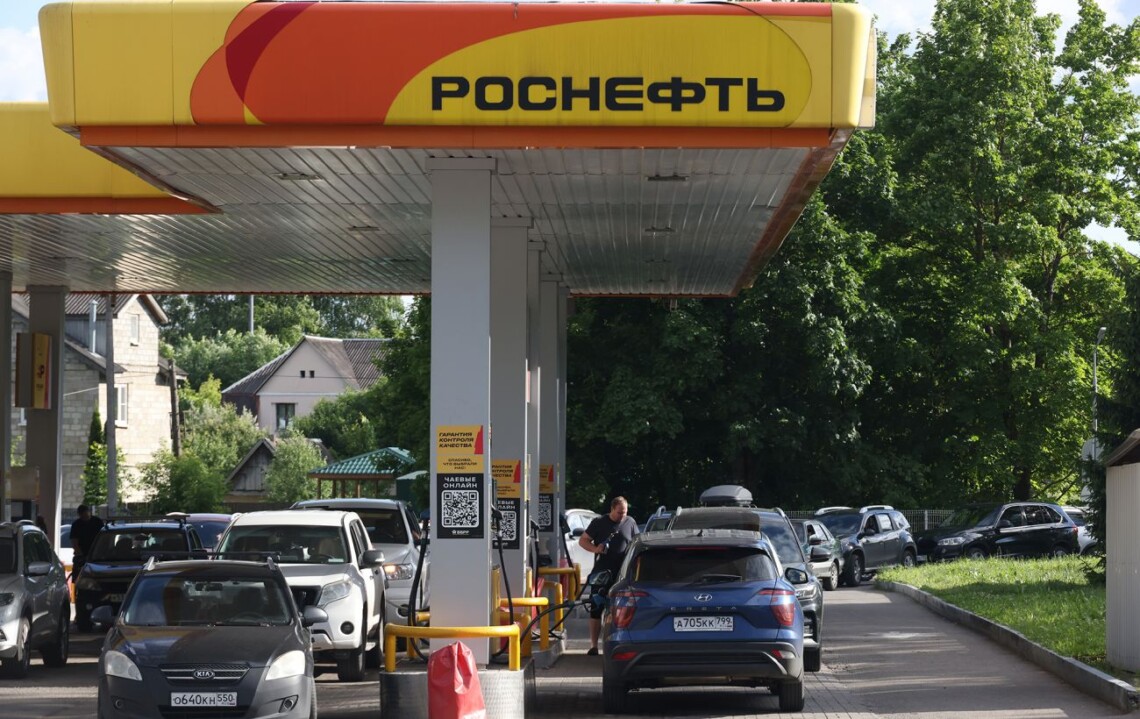
A second wave of the fuel crisis has begun in Russia: the BBC has uncovered reports from August of petrol shortages and long queues in at least 25 regions. The shortage has affected Moscow and the Moscow Region, where some petrol stations have run out of fuel or are restricting sales. The BBC attributes the escalation primarily to a decline in oil refining following Ukrainian strikes on refineries.
Briefly about the main points
- The BBC has reported fuel shortages in at least 25 regions of the Russian Federation.
- In Moscow, some petrol stations were closing, and people were queuing for up to an hour and a half.
- In Tula, queues at petrol stations caused traffic jams, and some stations reduced their opening hours.
- In the annexed Crimea, petrol shortages have persisted since the start of summer.
- Imports are unable to fully make up for the fuel shortage on the Russian market.
The disruptions have spread to other regions
Since the beginning of August, the authorities in more than ten Russian regions have officially recognised fuel problems. The reports mentioned a shortage of AI-95, unstable supplies and rising petrol prices.
In the Lipetsk region, they have begun to revert to a system of selling fuel on even and odd days — depending on the vehicle’s registration number. In the regions, it is often the petrol station chains themselves that impose these restrictions.
Petrol stations were closing and rationing was in place in Moscow
Some petrol stations in Moscow and the Moscow Region had run out of petrol. According to local residents, queues meant waiting for up to an hour and a half, whilst stations offering contactless payment sometimes only accepted payments via an app or a fuel card.
«Gazpromneft has capped purchases at 40 litres per vehicle. Tatneft has set a limit of 50 litres of petrol and 60 litres of diesel. Political analyst Mikhail Vinogradov, who drove through central Moscow within the Third Ring Road on 20 August, stated that around half of the petrol stations there were closed, and queues lasted at least an hour.
Queues in Tula are blocking traffic, whilst Crimea has been facing shortages since the summer
In Tula, long queues at petrol stations are causing traffic jams, particularly during rush hour. Some petrol stations have closed, whilst others have reduced their opening hours or are operating until their stocks are completely sold out. Local residents have also reported a significant rise in petrol prices at independent stations.
According to the BBC, the fuel crisis in the annexed Crimea has continued unabated since the start of summer. Residents have reported having to wait for hours for petrol, a shortage of AI-95 and restrictions on the sale of diesel.
A fall in processing volumes and August demand are putting pressure on prices
The BBC cites the intensification of Ukrainian strikes on Russian oil refineries as the main factor behind the latest escalation. According to Bloomberg, oil refining in Russia fell in July to almost four million barrels per day — the lowest level since March 2005. Serhiy Vakulenko, a senior research fellow at the Carnegie Berlin Centre, estimated the decline since the attacks began at 25–28%.
The situation is exacerbated by the traditionally high demand in August, when the harvest and the holiday season are in full swing. Independent petrol stations purchase fuel on the exchange at wholesale prices, unlike large vertically integrated companies, which sell their own products.
According to BBC calculations, petrol prices have risen by more than 20% in 34 regions since the start of the year. Between 11 and 17 August, the price of AI-95 rose in almost half of the regions — by an average of 1.2%; in the Krasnoyarsk Krai, the weekly price increase was 8%.
Russia is restricting exports and seeking imported fuel
Russia’s Federal Antimonopoly Service has reported 41 cases against oil companies and independent petrol station chains, mainly due to high prices. On 30 July, the Russian government extended the total ban on fuel exports until the end of January 2027.
Moscow is also trying to make up for the shortfall imports from Belarus, Morocco and India. Kirill Kuchinsky, an independent financial expert, estimated that total import volumes would, at best, cover no more than 12% of monthly petrol consumption in the Russian Federation.
The authorities have relaxed petrol quality standards in order to increase supply on the domestic market. Consumers in certain regions have reported changes in the fuel’s properties and higher fuel consumption by their vehicles.