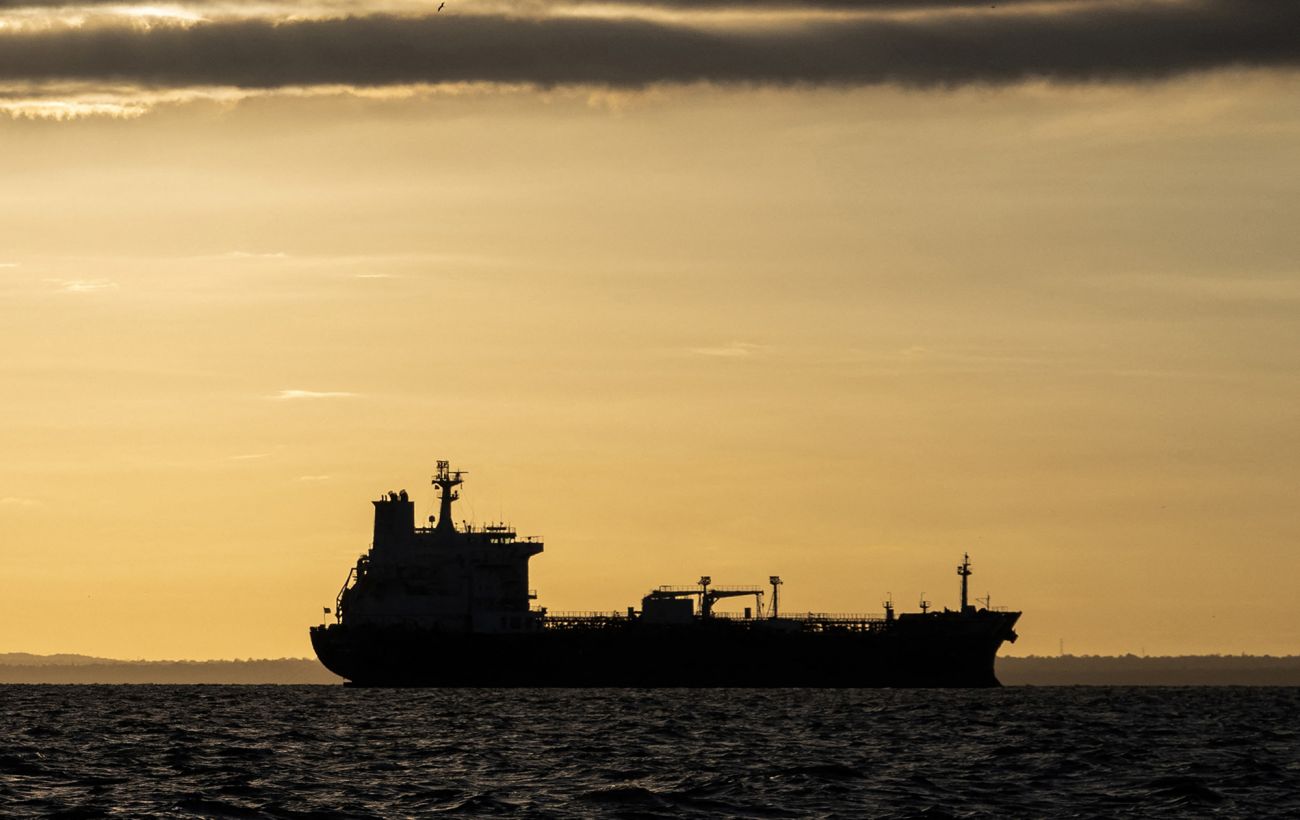
In mid-July, Russia received a consignment of petrol from Morocco: a tanker delivered 30,000 tonnes of AI-92 from the port of Tangier to Murmansk. Morocco has become the fourth country from which Russia imports fuel, after Belarus, Kazakhstan and India. Analysts estimate the volume of these supplies at approximately 1% of Russia’s daily fuel consumption.
Briefly about the main points
- A tanker delivered 30,000 tonnes of AI-92 petrol to Murmansk.
- The cargo was shipped from the Moroccan port of Tangier in mid-July.
- Morocco has become the fourth country from which Russia imports fuel.
- Analysts estimate supply levels at approximately 1% of daily demand.
- At the same time, Russia is restricting petrol exports to the domestic market.
A new fuel supply route
The Moroccan supply expands the scope of Russia’s procurement beyond its own market. Previously, fuel for the Russian Federation had been sourced from Belarus, Kazakhstan and India.
The volume of a single shipment is unlikely to have a significant impact on the balance of the Russian fuel market. At the same time, it shows that Moscow is seeking additional supply channels, including routes from North Africa.
Imports complement export restrictions
In April, the Russian government extended the temporary restrictions on petrol exports to include direct producers of petroleum products as well. The authorities attributed this to a seasonal rise in demand, fieldwork and an increase in world oil prices due to the situation in the Middle East.
8 July, Deputy Prime Minister of the Russian Federation Alexander Novak He stated that the government had maximised capacity utilisation at existing refineries, was releasing accumulated stocks onto the market and was postponing some maintenance work. He also announced a total ban on exports of petrol and aviation fuel in order to increase domestic supply.
In early July, petrol production in Russia fell by 17% year-on-year to 850,000 barrels per day. The agency attributed the crisis in the fuel market to a series of Ukrainian strikes on oil refineries.
Purchases from Morocco, together with supplies from other countries and export restrictions, may indicate that domestic reserves and those of neighbouring partner markets are insufficient to meet demand quickly. At the same time, an assessment of the volume of imports as a proportion of daily consumption suggests that they are a supplementary rather than a primary source of the resource.
A turnaround in trade with India
Reuters had previously reported that, in mid-July, Russian energy companies had enquired with Indian oil refineries additional consignments of petrol; at least one shipment was already on its way to the Russian Federation. This is an unusual reversal in bilateral trade: India is a major buyer of Russian oil, whilst Russia turns to its refiners for finished motor fuel.
On 25 July, Novak stated that the ban on petrol exports would be extended until the end of 2026. This timeframe may indicate an expectation of prolonged strain on the domestic market, although it does not constitute an official forecast of a shortage.