On 1 September, the Verkhovna Rada opened its session in the usual chamber. According to media reports, the underground format is still being trialled and may be formalised in a separate resolution.
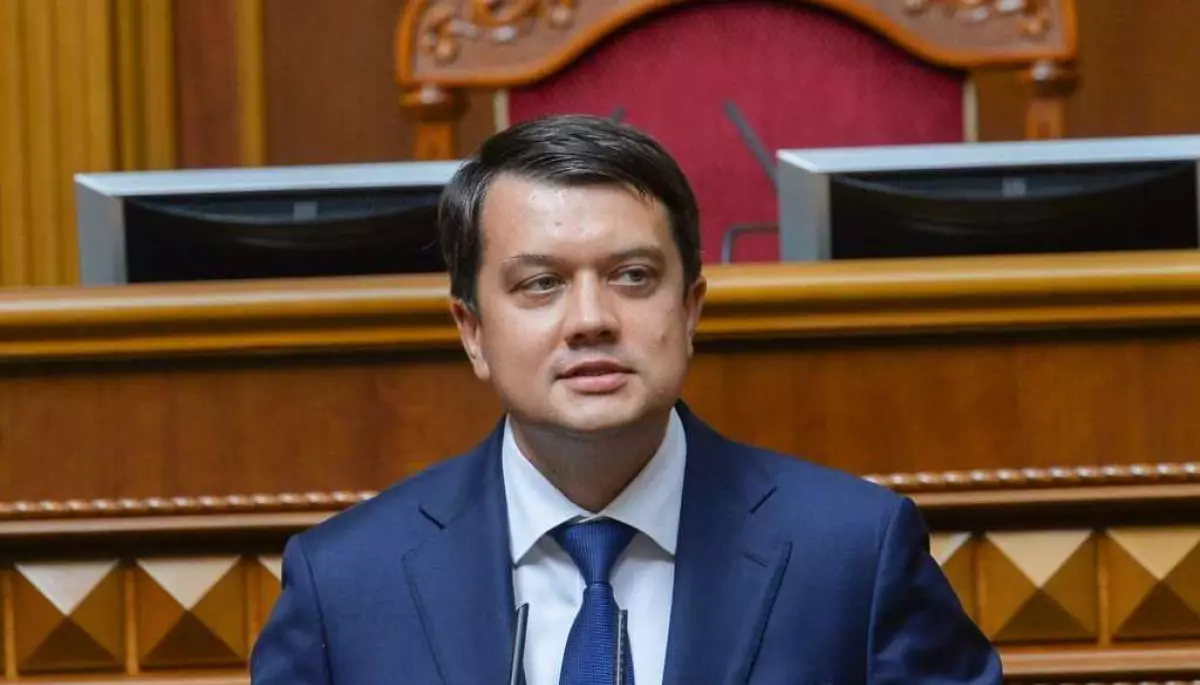
Dmytro Razumkov criticised the plan to organise the Verkhovna Rada’s work from shelters and to use mobile phones for voting. He stated that, under such circumstances, it would be better for parliament to suspend its work. The politician also compared the security risks faced by MPs to the conditions under which the military, businesses and civilians are operating whilst under fire.
Briefly about the main points
- Razumkov spoke out against MPs working in the basement.
- The politician criticised the prospect of voting by mobile phone.
- He recalled the Council meeting on the day the invasion began.
- According to media reports, the underground hall is still being tested.
- The current procedure provides for a break during an alarm.
Razumkov recalled the Parliament’s work at the start of the invasion
The MP recalled that on 24 February 2022, the Verkhovna Rada was in session in the chamber whilst Russian troops were on the outskirts of Kyiv. At that time, 282 MPs registered to attend an extraordinary sitting and approved a decree imposing martial law.
Razumkov He also stated that, through the votes of the «supermajority», 40 billion hryvnias had been diverted from arms procurement to cashback schemes, «e-tanks» and other PR programmes run by the President’s Office. This is his political assessment of the budgetary decision. «If you’re going to vote and then go down to the cellar to work, you might as well shut the Rada down altogether, put a padlock on the door and stop working,» he said.
The parliament has not yet adopted a remote working model
On 1 September, the Rada opened the 16th session of the 9th convocation in the main chamber. The Chair announced that, in the event of an air-raid alert, the plenary sitting would be suspended and Members would proceed to safe locations in accordance with the shelter plan.
368 workstations have been set up at the shelter, and there are plans to test a technical prototype of the system over the course of the week. Once it has been tested, it may be formalised in a separate resolution. The Constitution requires MPs to vote in person; whether the electronic format complies with this requirement will depend on the procedures for personal identification.