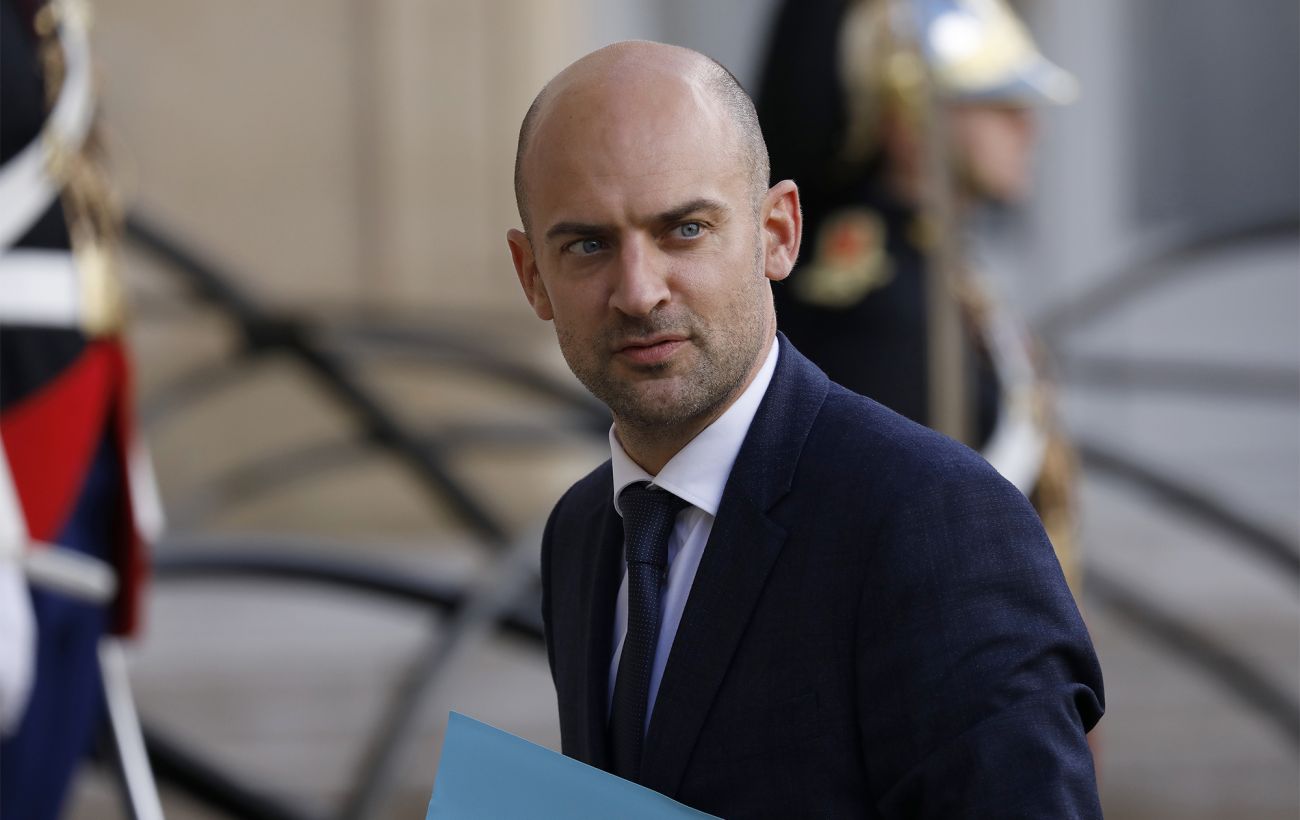
European countries provide around two-thirds of the intelligence currently received by Ukraine, said Jean-Noël Barro, France’s Minister for Europe and Foreign Affairs, on 15 October during a broadcast on France Inter. He also announced that work was underway with Ukraine on interceptor missiles that are cheaper and quicker to produce.
Briefly about the main points
- Barro stated that around two-thirds of the intelligence data for Ukraine comes from European sources.
- The minister did not disclose the methodology used for the calculation or the contributions made by individual countries.
- France is part of the coalition behind the Freyja missile defence project.
- Reports concerning Starshield do not indicate that the exchange of US intelligence has ceased entirely.
An assessment by the minister without disclosure of the methodology
According to Barro, the European component of intelligence support also includes a contribution from France. However, the minister did not specify the period covered by the figures, the types of data, the methodology used for the assessment, or the breakdown of contributions between countries. Therefore, the figure of ‘two-thirds’ cited is an estimate attributed to the French official, rather than independently verified statistics.
The wording refers to the combined contribution of European states. It does not imply that France alone provides Ukraine with two-thirds of all intelligence.
Work on cheaper interceptors
Separately, the French Foreign Minister said that France, other European partners and Ukraine are working on interceptor missiles that can be produced more quickly and cheaply. Barro did not specify the timeframe for completion, the cost, the planned production volumes or the technical specifications of these projects.
The context for this initiative was confirmed in July: Ukraine and ten European states, including France, announced the Integrated Anti-Ballistic Missile Coalition. Its work is linked to the Freyja project — a potentially cheaper European addition to the existing missile defence system, rather than a replacement for the current systems.
What is known about Starshield and the US data?
Barro’s statement came against the backdrop of reports on 13–14 October that there had been no advance warning of a specific Russian attack and that operations had been restricted Starshield. Starshield is the military version of SpaceX’s satellite communications system; it should not be confused with the standard Starlink service.
Barro urged people not to jump to conclusions about a complete withdrawal of US support. There is no confirmation in verified reports that the US has entirely ceased sharing intelligence with Ukraine, and the French minister did not make such a claim.
Position on the elections and European support
Commenting on the US President’s remarks Donald Trump about a change in the Ukrainian leadership, Barro stated that it is up to Ukraine itself to elect its head of state. He referred to the principle of self-determination of peoples. According to the minister, Volodymyr Zelenskyy is ready for the elections, provided there is a ceasefire and adequate security conditions.
Barro also mentioned the 6 billion euros which, he said, the EU had transferred to Ukraine in recent days, as well as sanctions against around 1,600 Russian individuals and entities. The figure regarding the sanctions has been independently verified, whilst the breakdown of the €6 billion sum has not been publicly detailed. France, meanwhile, remains among the members of the coalition of ten European states and Ukraine centred on Freyja; the parameters and terms of the new interceptors have not yet been disclosed.