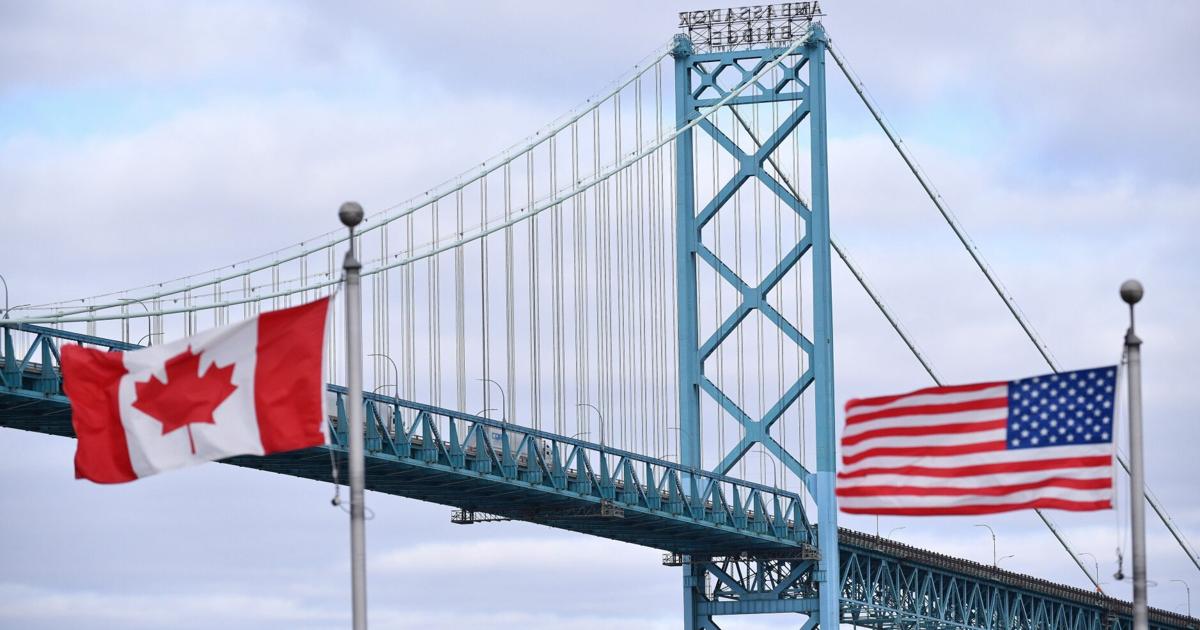
Canada On 8 September, it introduced new duties ranging from 15% to 50% on hundreds of categories of goods from the US, thereby sharply escalating the trade dispute between North America’s two largest trading partners. According to the Canadian government, the retaliatory measures cover US imports worth approximately 27.6 billion Canadian dollars — approximately $20 billion US dollars. Ottawa claims that it is, in effect, retaliating against Washington «dollar for dollar» following the imposition of similar US tariffs on Canadian goods.
The duty on US steel has been increased to 50%
The new tariffs have come into force at 00:01 on 8 September. Depending on the product category, the rate is 15%, 25% or 50%.
The changes are particularly significant in the metallurgical sector: for part of the American The existing 25 per cent duties on steel and aluminium have been increased to 50%.
The Canadian government has also included products from a wide range of sectors on the list:
- dairy products;
- household appliances;
- agricultural machinery;
- electronics;
- plastic products;
- pulp and paper products;
- furniture;
- clothing;
- cosmetics and perfumes.
Canada’s official list, in particular, provides for A 50 per cent duty on perfumes, make-up and certain skin and hair care products.
The restrictions have affected American motorbikes, cheeses and a range of other consumer goods.
Canada has responded to Trump’s tariffs
Ottawa’s decision was a response to the US tariffs that came into force 22 August.
The US has established 50 per cent duties approximately $20 billion Canadian goods, including wine, dairy products, furniture, cement, clothing and other categories.
The Canadian government emphasises that the new measures must be on a par with the US restrictions in terms of scope.
Canadian Prime Minister Mark Carney has previously stated that the country is prepared to conclude a new trade agreement with the US, but would not accept a deal that would render Canada’s automotive, steel and aluminium industries uncompetitive.
Michigan and Ohio could be hit
Bloomberg points out that the Canadian tariffs could be particularly felt by American exporters in Michigan and Ohio.
The economies of these states are closely linked to the Canadian market, particularly through the automotive industry, metal production and cross-border supply chains.
The political factor also plays a role: in November, the US will hold mid-term elections to Congress, whilst a number of states are expected to see closely contested campaigns. Bloomberg notes that trade pressure on regions that trade heavily with Canada could become one of Ottawa’s bargaining chips in negotiations with Washington.
Brian Clow, a former Canadian trade adviser, explains Ottawa’s reasoning as follows: the aim of the tariffs is to make the cost of the trade dispute felt by American businesses and consumers, thereby creating an incentive for Washington to return to the negotiating table.
Negotiations between the US and Canada have effectively ground to a halt
Washington and Ottawa had been trying for several weeks to reach an agreement on easing trade tensions. On 18 August, Trump even announced a preliminary agreement, but the talks broke down just a few days later.
The parties accused each other of causing the breakdown of the agreements.
As at 8 September There are no official talks taking place between ministers or senior officials of the two countries, Reuters reports, citing a government source.
Meanwhile, the US administration is already considering a new response to Canada. Donald Trump had previously threatened to raise tariffs on Canadian cars, lorries and automotive components to 50% from 1 January.
A trade war threatens the USMCA
This new escalation poses risks to the entire trade system between the US, Canada and Mexico.
Agreement USMCA, which provides duty-free access for a significant proportion of goods from the three countries, is coming under increasing political pressure.
Canada is heavily dependent on the US market: this year, around 68% of total Canadian exports were destined for the USA, with approximately 80% of these goods being exempt from duty under the USMCA.
Economists warn that further tariff escalation could push up prices for consumers, disrupt cross-border supply chains and worsen the investment climate in both countries.
For Ottawa, the current strategy is a risky one: the US economy is around 13 times larger than Canada’s. At the same time, the Carney government is counting on economic and political pressure within the US to force Washington to return to the negotiating table.