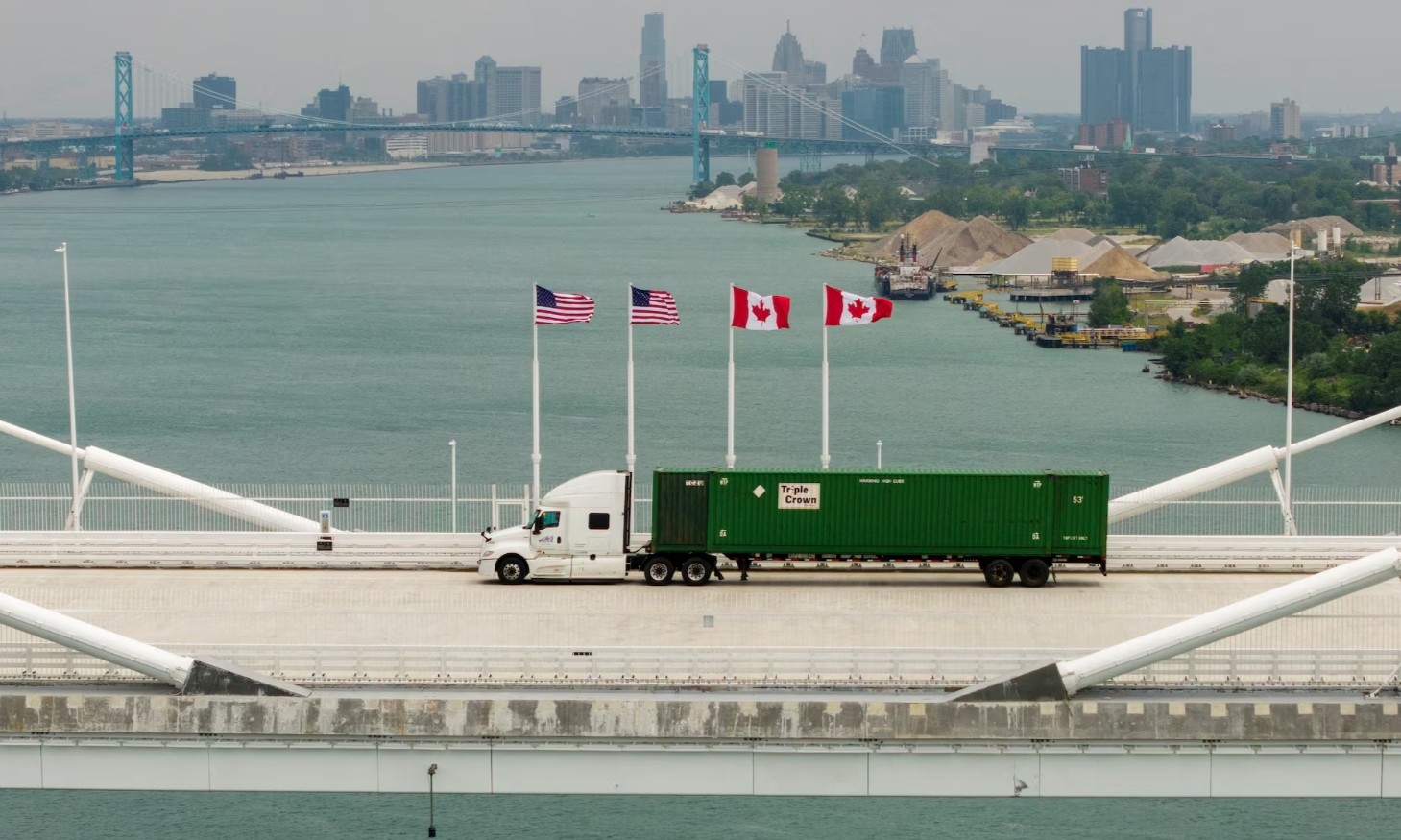
On 22 August, the US imposed 50% tariffs on certain Canadian goods with a total value of around $20 billion following the breakdown of trade talks. Canadian Prime Minister Mark Carney announced the suspension of talks and promised a «dollar-for-dollar» response. The new measures are heightening tensions between the allies and may complicate the renegotiation of the USMCA/CUSMA agreement.
Briefly about the main points
- The new US tariffs have affected a portion of Canadian exports worth approximately $20 billion.
- Ottawa has recalled its negotiators to the capital and is preparing a tit-for-tat response.
- These tariffs apply to goods that do not qualify for preferential treatment under the USMCA/CUSMA agreement.
- The parties offer different explanations for why the agreement fell through.
- No new rounds of talks between the countries are currently planned.
Which goods are covered by the new restrictions?
The tariffs apply to Canadian goods that do not benefit from preferential treatment under the US–Mexico–Canada Agreement. They account for just over 5% of Canada’s exports to the US market; wooden ice hockey sticks are cited as one example.
The new restrictions supplement the existing ones US tariffs on steel, sawn timber and motor vehicles. In its July proclamations, the US administration cited what it regarded as Canada’s discriminatory treatment of American exports of motor vehicles, alcohol and dairy products.
The parties gave different explanations for the breakdown of the agreement
The talks in Washington lasted three days and were attended by Canada’s Minister for Trade with the US Dominique Leblanc and the US Trade Representative Jamison Greer. According to sources, prior to the breakdown in talks, the parties were close to reaching an agreement that could have reduced tariffs on steel, aluminium and cars, as well as paving the way for American alcohol to return to Canadian shops.
Carney stated that the latest changes to the terms proposed by the US were unfair and uneconomical, and cast doubt on the reliability of any agreement. Greer, for his part, said that Canada had refused to finalise the agreement on the terms agreed earlier this week. A senior Trump administration official stated that Ottawa had sought further concessions, particularly regarding steel, aluminium, cars and softwood lumber.
Risks to sectors and the renegotiation of the trade agreement
Trade experts have warned that, for vulnerable sectors, the new tariffs could result in significant losses, business closures and job cuts. Although the scope of the new round of tariffs is limited, access to the US market could become significantly more difficult for manufacturers of certain goods.
The conflict is also likely to complicate broader negotiations on the renewal of the USMCA/CUSMA. A joint review of the agreement, which came into force in 2020, is not a procedure for its automatic termination: a bilateral pause in dialogue does not in itself nullify the agreement. According to a US administration spokesperson, no further negotiations are currently planned.