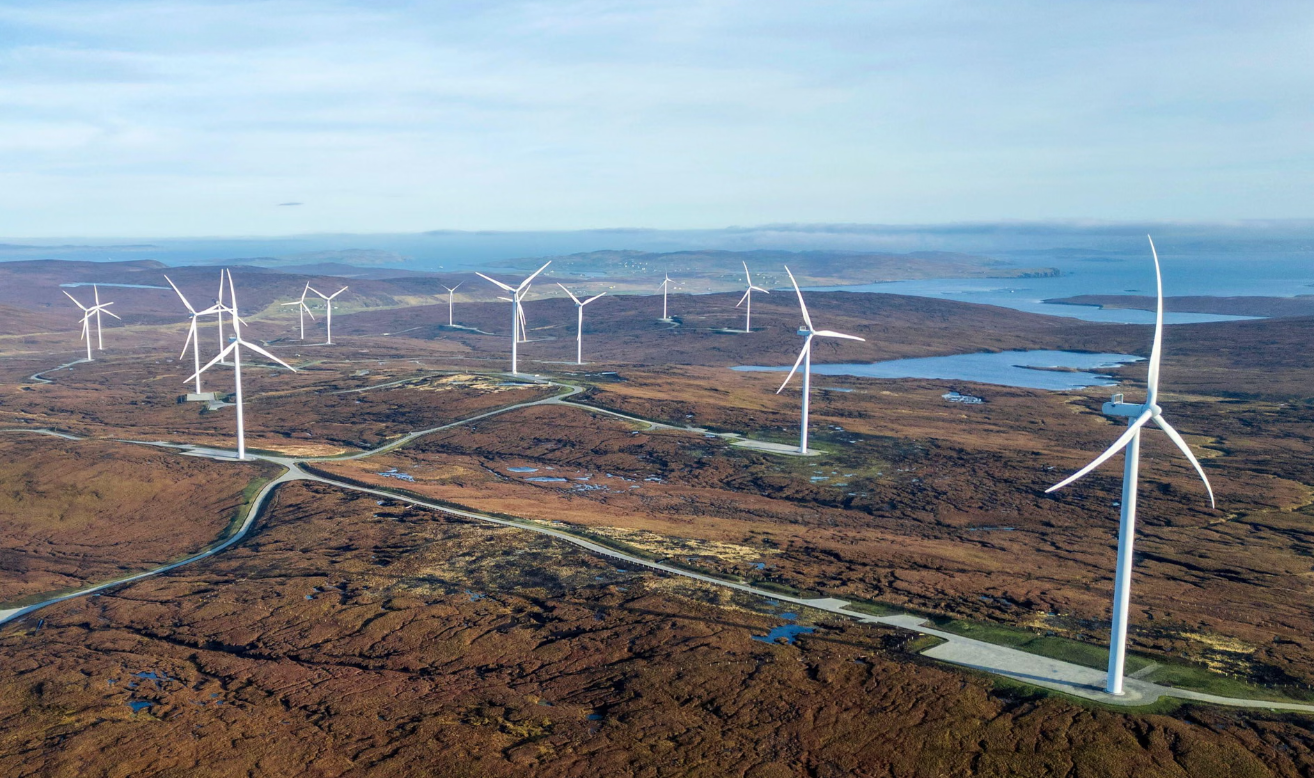
A rapid global transition to clean electricity could trigger mutually reinforcing changes in the fight against the climate crisis and the restoration of the environment, according to a report by the University of Exeter and the Earthshot Prize. The authors have identified this area as the transition with the greatest potential for impact and have examined 51 priority areas — ranging from nature conservation to waste reduction.
Briefly about the main points
- Clean electricity has been identified as the most significant environmental transition.
- Solar and wind power generation is already gaining momentum in major markets.
- A coordinated policy could bring these tipping points forward by 2–8 years.
- A reduction in methane emissions could influence the temperature trajectory over the course of a decade.
- Every year, significantly more money is spent on activities that are harmful to the environment.
How positive turning points work
The authors define a positive tipping point as the threshold beyond which a technology or practice becomes cheaper, is adopted more widely, or gains sufficient political support for its further development to become self-sustaining. The analysis covered five objectives: nature conservation, air purification, ocean restoration, waste elimination and tackling the climate crisis.
The falling cost of solar and wind power is making electric vehicles, heat pumps and cleaner industrial processes more cost-effective. It is also reducing air pollution and creating additional demand for renewable electricity. According to Steve Smith, the report’s author and a research fellow at the University of Exeter, solar and wind energy have already passed these tipping points in many major markets: the widespread adoption of these technologies has driven down costs, attracted investment and facilitated further expansion.
Grids and investment are holding back the energy transition
The transition to clean energy is being held back by slow planning procedures and the expansion of electricity grids, particularly in wealthier economies. In other countries, a severe shortage of capital is the key obstacle.
Africa receives less than 2% of global investment in clean energy, even though the continent is home to 60% of the world’s best solar resources. Research cited in the report indicates that coordinated action on clean electricity, transport and heating could bring the tipping points in these sectors forward by two to eight years. Progress in one of these sectors drives the others forward through increased demand for electricity, new investment and falling technology costs.
Supply chains and sustainable food production
A relatively small number of companies, banks and regulators oversee trade in beef, soya, palm oil, timber, cocoa and coffee. Together, these commodities account for a significant proportion of tropical deforestation. The report argues that common standards adopted by the EU, China, the UK and the US could make deforestation-free products the global norm and make it more difficult to sell or finance goods linked to deforestation.
Clean cooking and household energy are also approaching tipping points in some countries. Pay-as-you-go models and decentralised solar energy are making such technologies more accessible. Around 2.1 billion people still use solid fuels for cooking, which causes harmful indoor air pollution and disproportionately affects women and children.
Methane has been identified as a quick way to curb global warming
Methane has caused around 30% of the warming that has already taken place, but remains in the atmosphere for approximately 12 years. Smith described reducing its emissions as one of the quickest ways available to limit peak warming.
Satellites and drones are now able to detect methane leaks that previously went unnoticed. This opens up the possibility of relatively low-cost measures capable of influencing the temperature trajectory over the course of a decade.
A financial imbalance for nature
Adaptation to climate change It can also become self-reinforcing if flood defences, early warning systems and resilient infrastructure prove capable of reducing losses. This could lower insurance and borrowing costs, thereby attracting new investors.
At the same time, according to UN figures, around 7.3 trillion dollars are spent each year on activities that degrade the environment. Nature-based solutions account for around 220 billion dollars. Smith described this distribution as a political choice regarding the use of funds.