Chinese President Xi Jinping’s anticipated visit to New Delhi for the BRICS summit could mark a further thaw in diplomatic relations with India. At the same time, businesses in both countries continue to face investment scrutiny, visa difficulties and delays in the delivery of Chinese equipment. Beijing has not yet confirmed the trip or a possible meeting between Xi and Prime Minister Narendra Modi.
Briefly about the main points
- Beijing has not yet confirmed Xi’s attendance at the BRICS summit in New Delhi.
- A meeting with Modi could set the tone for bilateral dialogue.
- India has relaxed some of the rules governing Chinese investment in three sectors.
- BYD and Great Wall Motor have put their investment plans in India on hold.
- Chinese machinery and components for Indian projects are being held up at customs.
The summit may continue the dialogue without any immediate breakthrough
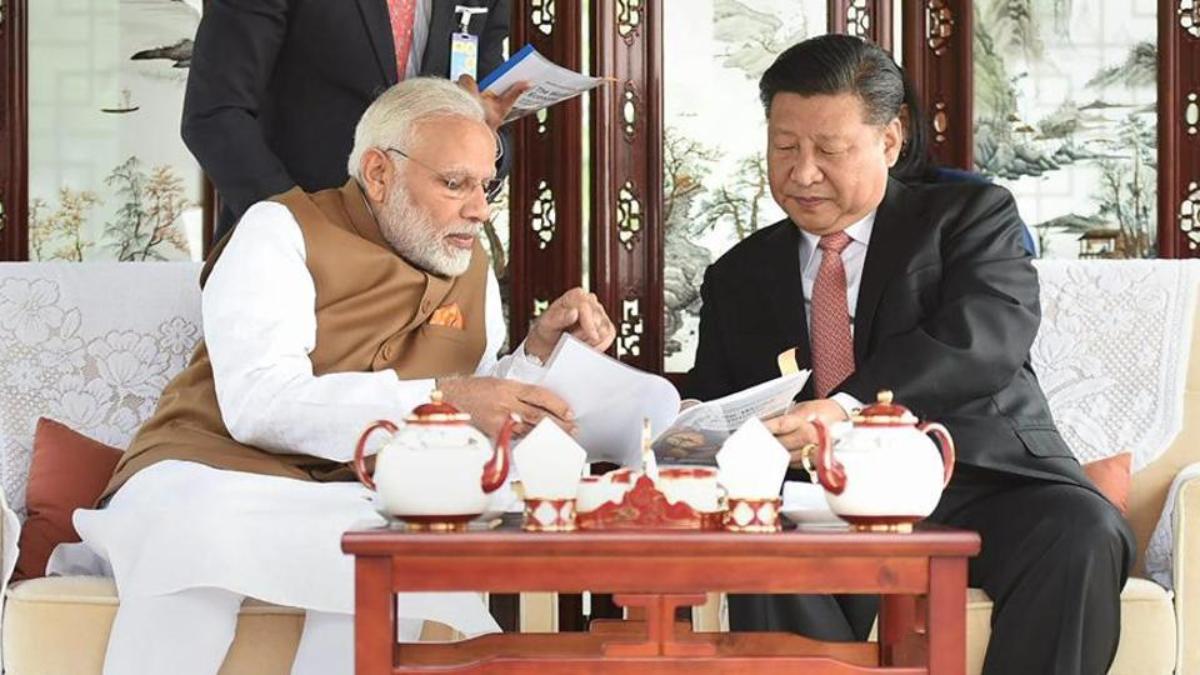
Si, … is expected to arrive in India this week — this will be his first visit to the country in seven years. It is not known whether he will hold separate talks with Fashion. Such a meeting is crucial for determining the future direction of bilateral relations.
In recent years, relations between the countries have improved, particularly following the visit Fashion to China last year. The Chinese Ministry of Foreign Affairs stated that Beijing and New Delhi are «partners, not competitors» and view each other’s development as an opportunity rather than a threat.
However, an expert from Fudan University and a former diplomat Lin Mingwan believes that significant progress is unlikely: China wants to improve relations, but is waiting for signs that India is prepared to make concessions.
The border conflict has left a deep lack of trust
Caution in relations has a long historical context. The two countries fought a brief war in 1962, and following a border clash in 2020, in which 20 Indian and four Chinese soldiers were killed, relations deteriorated sharply.
Vice-President of the Observer Research Foundation think tank Harsh Pant described the lack of trust between the two sides as significant. At the same time, both countries have unstable relations with the US and are affected by American trade policy. According to Panta, China’s economic clout could help it become a more reliable partner for India.
The relaxation of the rules has not brought back major Chinese investors
In March, India eased some of the restrictions imposed following the events of 2020 on Chinese investment in electronics, capital goods and solar cells. New Delhi is also considering fast-tracking the approval of joint ventures in certain sectors.
The authorities have already approved several high-profile projects, including a manufacturing partnership between India’s Dixon Technologies and China’s Vivo Mobile. However, car manufacturers BYD and Great Wall Motor have postponed their planned investments in India following tighter controls by New Delhi, a government source has reported. Both companies declined to comment.
The restrictions apply in both directions. According to two sources, China is scrutinising investment proposals for India more closely if they relate to complex manufacturing or high technology. New Delhi has also refused to allow Alipay, a platform linked to Ant Group, to connect to the instant payment system, citing national security concerns. Furthermore, the government is considering a recommendation to investigate Xiaomi’s activities regarding alleged breaches; the company has stated that it complies with local legislation and has not received any notification from the authority that recommended the investigation.
Visas and the supply of equipment create practical barriers
Last year, the two countries resumed direct flights, and India simplified visa procedures for Chinese business travellers. However, according to a source and an industry representative, some Indian businesspeople have recently encountered difficulties in obtaining Chinese visas. The Chinese Ministry of Foreign Affairs has stated that it issues visas to Indian citizens who have a genuine need to visit the country, in accordance with the relevant laws and regulations.
According to Indian sources, the Chinese authorities have asked companies not to sell critical technologies and infrastructure equipment to India, including port machinery, solar panels and mobile phone manufacturing equipment. This year, Chinese customs authorities have been holding up equipment and components required by India for solar energy, electronics and infrastructure. Some of the large drilling rigs intended for Indian projects have been held up for over a year.
Founder of the Global Trade Research Initiative Ajay Shrivastava believes that such restrictions go beyond mere administrative difficulties and may constitute an attempt to exploit India’s dependence on Chinese technology and trade. Anup Vadhavan, a former senior official at the Indian Ministry of Commerce, noted that a successful dialogue between the leaders could provide an opportunity to better align political and economic interests and ease some of the barriers, but does not guarantee a rapid commercial rapprochement.