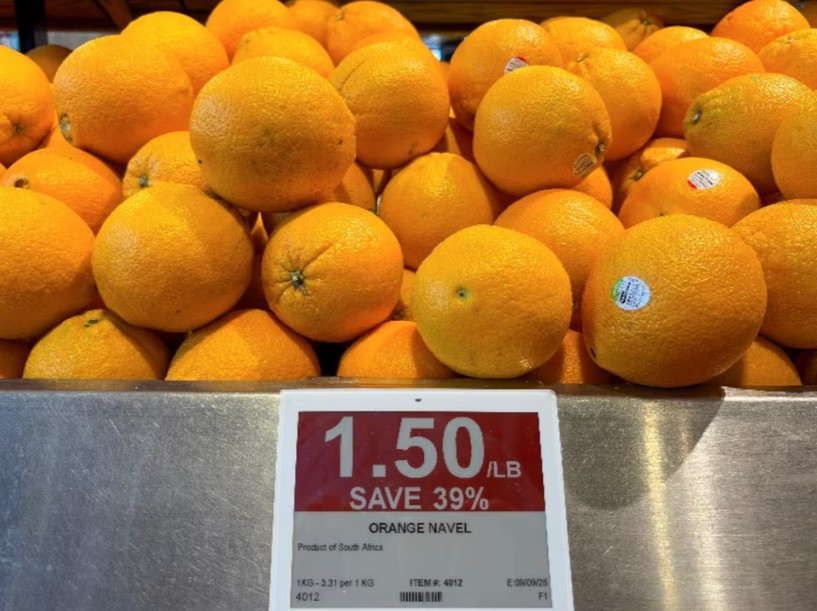
The Canadian boycott of American goods is forcing supermarket chains to adjust their product ranges, seek out local and alternative suppliers, and label the origin of products more clearly, according to Reuters. The rise in demand for Canadian goods coincides with the imposition of counter-tariffs on some imports from the US; however, not every American product can be quickly replaced with a local alternative.
Briefly about the main points
- Canadian retail chains are restructuring their procurement strategies in response to demand for local products.
- Loblaw has signed up 267 new local suppliers.
- Imports from third countries could be an alternative to US goods.
- The counter-tariffs cover only part of the US product range.
- The ‘Made in Canada’ label does not guarantee that the ingredients are of Canadian origin.
Suppliers are being sought not only in Canada
In its 2025 report, Loblaw announced that it had signed up 267 new local suppliers. The company also sought affordable alternatives in Canada and other regions, identifying Canadian goods and US contracts, the price of which may change.
Staff reductions during the off-season procurement In the US, this does not necessarily mean a switch to Canadian products: retail chains may source goods from other countries. The tariff exemption procedure involves assessing whether comparable goods produced in Canada or another foreign country are available.
Demand and tariffs are drawing greater attention to the origin of goods
According to the Bank of Canada’s estimates, in March 2025 the share of expenditure on food products of Canadian origin was approximately two percentage points higher than in January; expenditure on comparable US products fell by roughly the same amount. The regulator acknowledges that a sustained preference among consumers could affect the composition of GDP and inflationary pressures.
From 8 September, Canada is imposing counter-tariffs under 15%, 25% and 50% on certain goods from the US, including specific food items and semi-finished products. The potential impact on prices will depend on seasonality, logistics, contracts and the cost of alternative imports.
The CFIA reminds consumers that «Product of Canada» means that all or almost all of the main ingredients, processing and labour are of Canadian origin. The «Made in Canada» label indicates that the final substantial processing took place in the country and may apply to products containing imported ingredients.