The United States will not participate in the work of the UN Human Rights Council and will not seek a seat on it. An important clarification: this decision was not taken today — President Donald Trump signed the relevant executive order back on 4 February 2025, and the White House reaffirmed this policy in 2026. Washington explains the decision by citing concerns about the Council’s work, in particular allegations of systematic bias against Israel and the presence within the body of states with problematic human rights records.
- The US does not participate in the UN Human Rights Council.
- Trump made the decision back in February 2025.
- Washington accuses the Council of bias against Israel.
- The US has also stopped funding its activities.
- A new conflict has arisen following a UN report on the strikes against Iran.
What exactly did the US decide?
Trump’s executive order stipulates that The US does not participate in the work of the UNHRC, will not stand for election to the Council, and will not fund its activities. An order was also issued to abolish the post of US representative to the Council and the associated structures.
At the start of 2025, the US no longer held a seat amongst the 47 members of the Council following the expiry of its previous term. Therefore, the main issue at stake is a complete refusal to participate or cooperate with the authority in future, rather than withdrawing from current membership.
In January 2026, the White House reiterated that the Trump administration had ended US participation in UN General Assembly human rights.
Washington accuses the Council of bias against Israel
In Trump’s executive order, the White House stated that some UN bodies act contrary to US interests and demonstrate anti-Israeli bias.
One of Washington’s specific complaints is that states which are themselves accused of serious human rights violations are elected to the Council. The US administration claims that this allows such governments to use the international body as a shield against criticism.
Trump used similar arguments during his first term as president, when the US withdrew from the Council in 2018. The Biden administration subsequently reinstated the country’s participation in the body, but following Trump’s return to the White House, this policy changed once again.
A new conflict has arisen over a report on Iran
The issue returned to the spotlight on 18 September after an independent mission set up by the UN Human Rights Council stated that «reasonable grounds» to believe that the US may have committed war crimes during the two strikes against Iran in February 2026. Specifically, this refers to strikes on a school and a sports facility. At the same time, the same mission accused the Iranian authorities of crimes against humanity during the crackdown on the protests.
The White House has rejected the mission’s findings. A spokeswoman for the administration Anna Kelly stated that Washington did not consider the report to be credible and sharply criticised the UN Human Rights Council itself.
In other words, Washington’s latest statement is not a new decision to leave, and confirmation of the policy that Trump introduced back in early 2025.
The US is not withdrawing from the UN itself
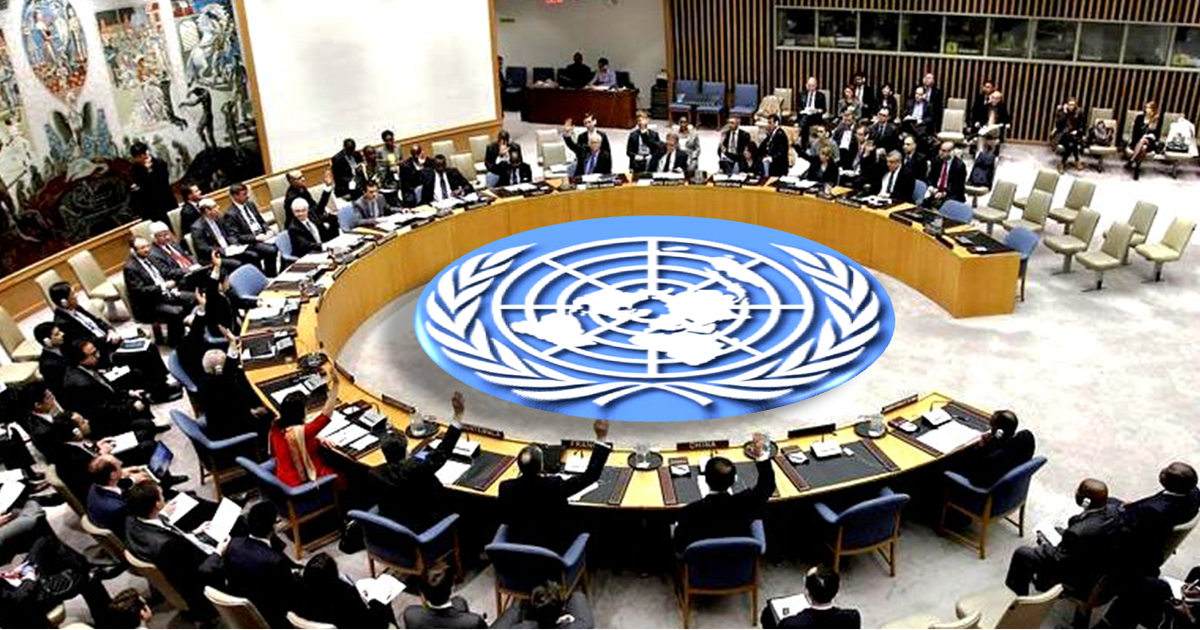
Withdrawal from the UN Human Rights Council does not mean that the United States is withdrawing from the United Nations. The US remains a permanent member of the UN Security Council with the right of veto and continues to participate in the work of the organisation’s other bodies.
The Human Rights Council is a separate intergovernmental body of the UN comprising 47 states, which are elected by the General Assembly for a fixed term.