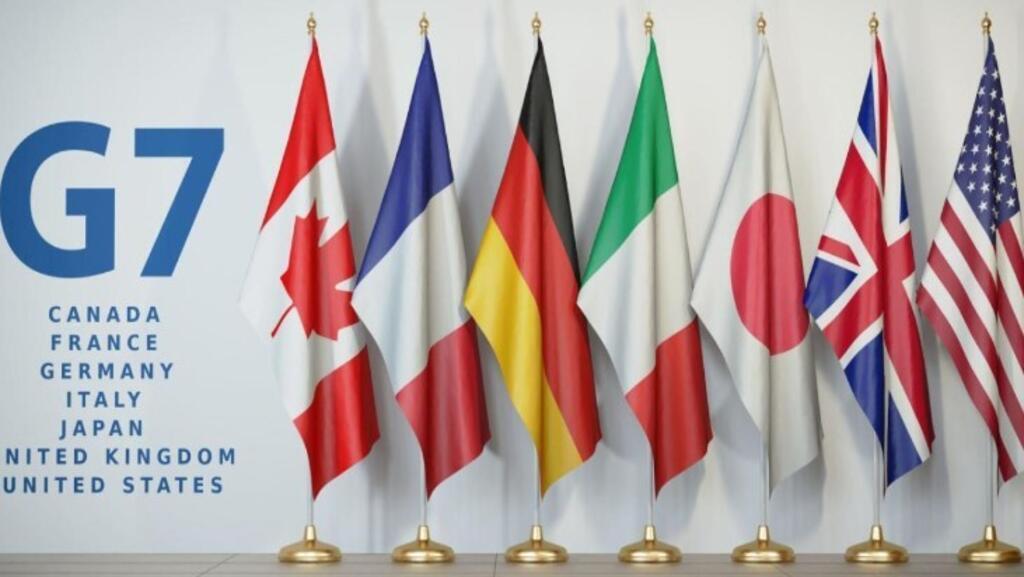
The G7 leaders have agreed to release 100 million barrels of oil, diesel and other strategic reserves through the International Energy Agency in order to increase supply and curb rising prices. In a joint statement released by the French presidency on 2 October, the group emphasised that this move does not entail any easing of sanctions against Russia.
Briefly about the main points
- Deliveries from stock are to begin immediately.
- The programme is scheduled to run for four months.
- The plan is to expedite the release of diesel over the first 20 days.
- The G7 will not change its sanctions policy towards Moscow.
- The MEA will assess the impact of the measures and report back within 20 days.
The first deliveries of diesel fuel are to be expedited
The International Energy Agency will coordinate the release of strategic reserves. Supplies are intended to last for four months, with a significant proportion of the country’s diesel fuel G7 They plan to launch it on the market within the first 20 days.
The French President had previously announced the agreement following a virtual meeting between the leaders Emmanuel Macron. According to Reuters, the decision is expected to increase the supply of fuel and stabilise the situation on global markets.
Market stabilisation does not alter the sanctions policy
In its statement, the G7 specifically set out its intention to maintain sanctions against Russia. The group’s member states stated that they would work in parallel with IEA and global partners, in order to limit the further impact of disruptions on the markets for fuel, gas and other raw materials.
At the June summit, G7 leaders stated their intention to step up economic pressure on Russia, in particular through restrictions on its oil and gas sectors.
Disruptions in the Strait of Hormuz have increased pressure on diesel prices
The decision was taken against a backdrop of rising diesel prices and instability in the energy market. The G7 linked the situation to disruptions in international trade and energy supplies due to Strait of Hormuz and called on producers not to impose export restrictions that could exacerbate the shortage.
The group also agreed to coordinate the maintenance schedules of oil refineries to avoid simultaneous shutdowns, and to temporarily increase their utilisation where possible. Russia, meanwhile, has extended the ban on diesel exports to manufacturers until 31 October.
The MEA will assess the programme’s impact within 20 days
The G7 has tasked the IEA with monitoring the impact of the release of reserves on the market and preparing a report within 20 days. The leaders also plan to discuss the release of additional diesel fuel if market conditions so require.
The current volume amounts to a quarter of the 400 million barrels that IEA member countries agreed to release in March due to supply disruptions linked to the war in the Middle East.