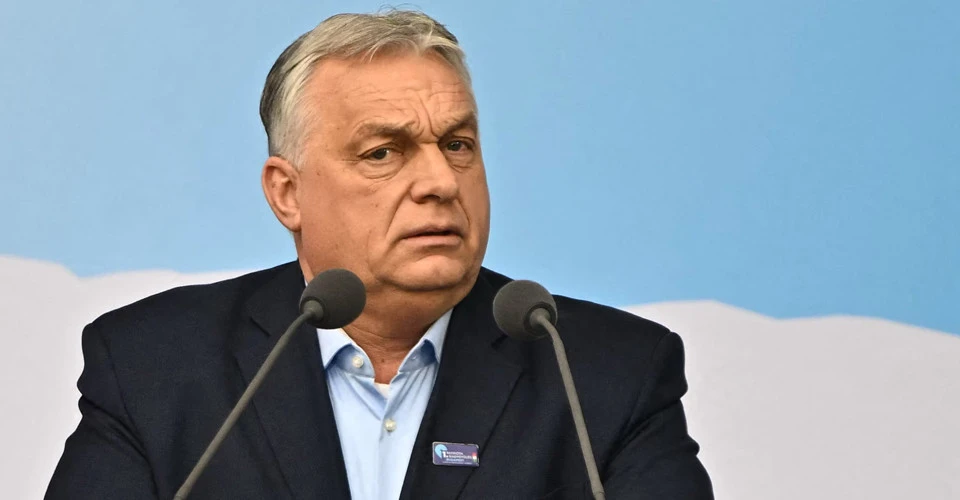
Hungarian investigators are examining whether former Prime Minister Viktor Orbán could have personally authorised the March operation against Oschadbank’s cash-in-transit staff, reports the Financial Times. Near Budapest, security forces detained seven Ukrainian nationals and seized a consignment containing cash and gold. As of 2 October, no charges or formal allegations had been publicly levelled against Orbán.
Briefly about the main points
- The FT reported on an investigation into possible personal instructions from Orbán.
- TEK stopped two Oschadbank vehicles travelling from Austria to Ukraine.
- János Hajdu, the former head of TEK, is suspected of unlawful deprivation of liberty.
- Hungary has closed the money-laundering case on the grounds that no offence had been committed.
- The seized funds and gold were returned to Oschadbank in full.
How the arrest took place near Budapest
On 5 March, officers from the Hungarian counter-terrorism centre TEK stopped two armoured vehicles near Budapest Oschadbank’s cars, who were travelling from Austria to Ukraine. Seven Ukrainian nationals were forced out of their vehicles, made to lie on the ground, handcuffed, had their faces covered and were taken to the centre’s premises.
The Hungarian public prosecutor’s office subsequently stated that the operation had been personally directed by the former head of TEK János Hajdú. Those detained told Euronews that they had been kept in handcuffs for many hours, interrogated and denied access to lawyers and consular assistance. One of the staff members also claimed to have been forcibly injected with an unknown substance; these allegations by the victims are the subject of an investigation.
What is the basis for the investigation into Orban’s alleged instructions?
According to the Financial Times, the case files and the evidence gathered by the investigation call for an examination of whether he had Orban personal instructions regarding the operation. The publication describes this episode as one of the key ones in the investigations into the actions of the former authorities following the new government’s arrival Peter Magyar.
On 28 September, Telex reported on a prosecution document containing testimony suggesting that, whilst preparing the operation, officials were given to understand that the decision had come from Orbán. Hungarian media had previously also reported on witnesses who claimed that Haidu had a telephone conversation with Orbán on the day of his arrest. This information does not establish the former prime minister’s guilt: further legal proceedings will depend on the decisions of the prosecution and, potentially, the court.
What is the legal status of the former head of TEK?
In June, the prosecution service formally questioned Haida as a suspect in seven cases of unlawful deprivation of liberty involving ill-treatment. He denied committing the offence and contested the charges.
The former head of TEK is not in custody: the prosecution has not applied to the court for his arrest, so he is defending himself whilst on bail. Lawyers for the detained Ukrainians had previously called for an investigation into the possible actions not only of Haidu, but also of Orbán and other former senior officials.
What happened to the seized funds and gold?
Following the seizure of the cargo, the Orbán government alleged possible money laundering and the financing of the Hungarian opposition by Ukraine, but did not publicly present any evidence to support these claims. In August, the Hungarian National Tax and Customs Administration closed the criminal proceedings against the cash-in-transit operators due to the absence of a criminal offence and established that the assets were of lawful origin.
On 6 May, Hungary returned in full to Oschadbank the seized $40 million, €35 million and 9 kg of bank gold. The total value of the consignment was estimated at approximately €70 million.