Talks between representatives of Ukraine, the US, European countries and NATO, which took place on 9 October 2026 in Miami, USA, concluded earlier than scheduled. The meeting was due to last two days, but the session scheduled for 10 October will not take place. This was reported by Radio Free Europe’s correspondent in Washington, Alex Raufoglu. Meanwhile, US Presidential Special Representative Steve Witkoff described the talks as constructive and stated that the parties had discussed possible ways to de-escalate the war, security guarantees, the protection of Ukraine’s energy sector and post-war reconstruction.
Briefly about the main points
- The talks in Miami ended a day early.
- Vitkoff described the discussions as constructive.
- They discussed the energy sector, grain exports and security guarantees.
- They raised the issues of Ukraine’s reconstruction and accession to the EU.
Why did the talks in Miami end early?
A meeting between the Ukrainian, American and European delegations took place on Friday, 9 October. The consultations were originally scheduled to take place over two days — 9 and 10 October. However, after the first day, it became clear that the talks would not continue on Saturday.
Radio Free Europe’s Washington correspondent reported on the change to the schedule Alex Raufoglu. He did not specify the reasons for the early conclusion of the meeting. The American side also did not explain why it had decided against a second day of consultations.
Following the talks Steve Witkoff issued a statement in which he spoke positively about the discussions. According to him, the participants considered possible diplomatic solutions aimed at reducing the intensity of the fighting and achieving a lasting peace.
Vitkoff noted that the exchange of views had helped to identify areas for further work ahead of Washington’s next contacts with Moscow. At the same time, he did not report the signing of any documents or the reaching of an agreement on ceasefire.
Energy, security guarantees and EU accession: what was agreed
One of the key topics of the meeting was Ukraine’s preparations for winter period. Against the backdrop of Russian attacks on energy infrastructure, the parties discussed measures to enhance the resilience of the power system, protect critical infrastructure and ensure the stable functioning of the economy.
Particular attention was paid to the security of Ukrainian grain exports, which remain an important source of foreign exchange earnings and are significant for international food trade.
In addition to pressing issues, the delegations discussed long-term security guarantees for Ukraine and European states. This involves establishing mechanisms designed to prevent the recurrence of a large-scale war following a possible peaceful settlement.
Another topic of discussion was Ukraine’s post-war reconstruction. The participants discussed support for economic recovery and the prospect of Ukraine’s membership of the European Union. However, no specific financial commitments or new timelines for European integration were announced following the meeting.
Who represented Ukraine and its Western partners?
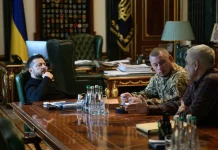
The Ukrainian negotiating team included the Head of the President’s Office Kirill Budanov, Head of the Foreign Intelligence Service Rustem Umerov, Member of Parliament David Arahamia and First Deputy Head of the President’s Office Sergey Kislitsa.
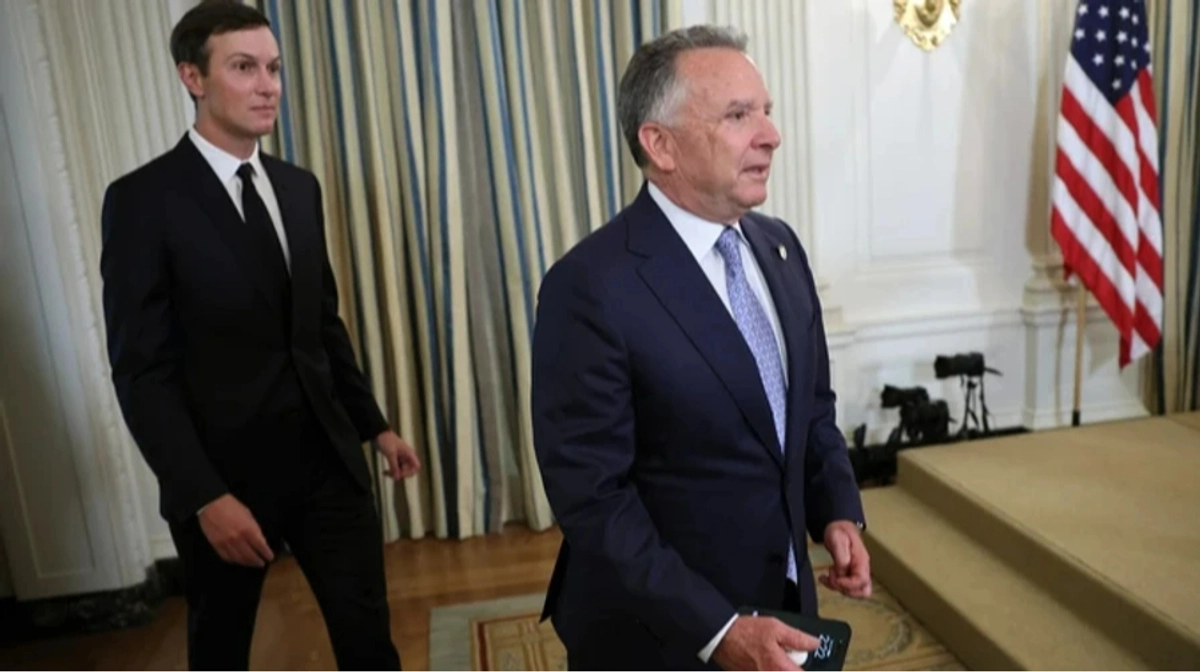
The American side was represented, in particular, by the US President’s Special Representative Steve Witkoff and Jared Kushner. Representatives from the United Kingdom, France, Germany, the European Commission and NATO also took part in the consultations.
Before the meeting, the President Volodymyr Zelenskyy He said he was awaiting a report from the Ukrainian delegation upon its return to Kyiv on Monday, 12 October.
The talks took place against the backdrop of Trump’s new agreement with Putin
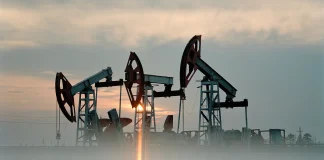
The meeting in Miami coincided with the US President’s decision Donald Trump to come to an agreement with Vladimir Putin about supplies of Russian diesel fuel to the US and global markets. To facilitate these transactions, Washington has temporarily eased certain sanctions restrictions.
The President of Ukraine, Volodymyr Zelenskyy, criticised this decision, stating that the additional revenue from the sale of Russian petroleum products could be used by Moscow to fund the war.
This situation has become a further source of friction in relations between Kyiv and Washington. However, there is no evidence to suggest that it was specifically the dispute over the Russian diesel engine that led to the early conclusion of the talks in Miami.
The next diplomatic step is expected to involve contacts between the US and Russia. No specific dates or format for the new meetings have yet been announced.
The main outcome of the consultations in Miami — identifying issues for further negotiations, but without announcing a new agreement to end the war.