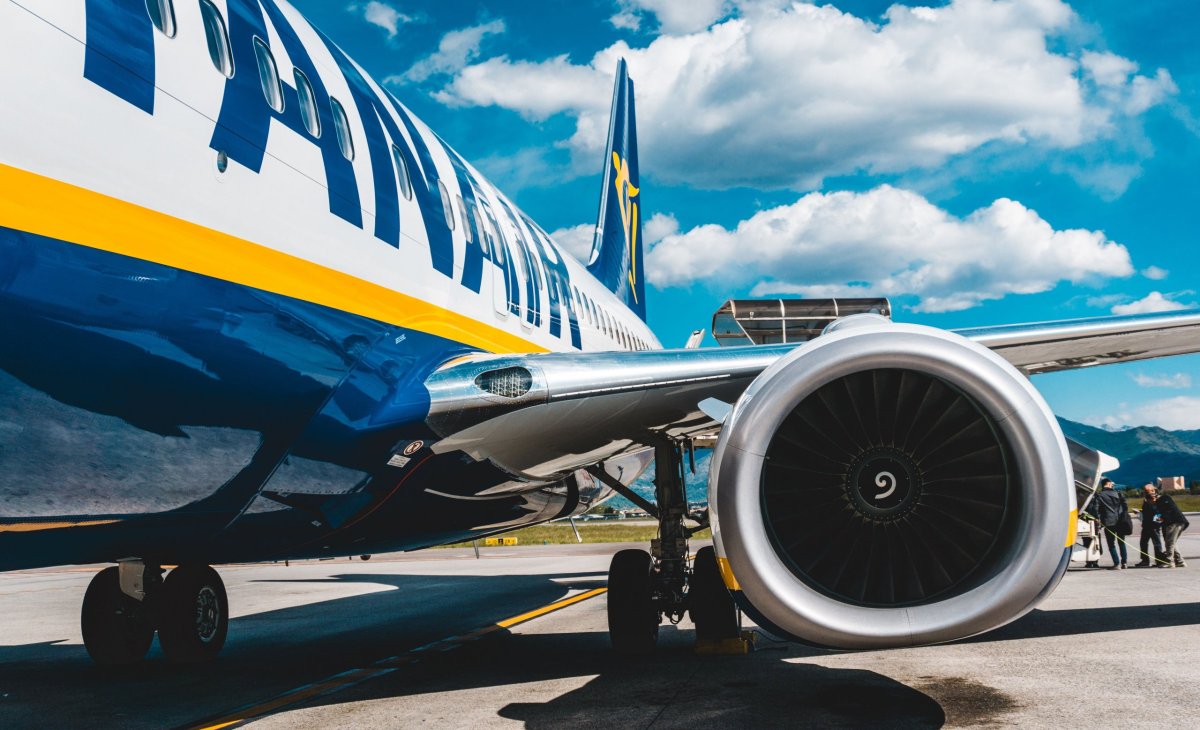
Airfares in Europe could rise by 20% over the next 12 months due to rising oil prices against the backdrop of the war in the Middle East. This forecast was made by Ryanair’s chief executive, Michael O’Leary, according to Bloomberg. In his view, airlines will try to pass on higher fuel costs to passengers, but this may not be enough to fully offset the increase.
Briefly about the main points
- Ryanair expects the cost of flights within Europe to rise by a fifth.
- The pressure on tariffs is being driven by rising oil prices due to the war in the Middle East.
- Higher fuel surcharges may not cover all the airlines’ costs.
- Next year, Ryanair’s fuel requirements for the 85% will not be hedged.
- Taxes and a reduced number of flights are also having an impact on the market.
Passengers may contribute towards the fuel costs
Airlines will be forced to factor the higher cost of fuel into the price of flights, as explained by Ryanair. O’Leary described the expected rise as the largest in the history of the European airfares market.
At the same time, the company’s director doubts that the increase in fares and fuel surcharges will fully offset the sharp rise in fuel costs. According to him, this will put pressure on carriers’ profitability: their revenue will grow more slowly than their fuel costs.
Ryanair will have less protection against price fluctuations
Next year, 85% of Ryanair’s fuel requirements will not be covered by hedging — a financial mechanism that helps protect against price fluctuations. This means that a significant proportion of the company’s costs will be more dependent on the current price of fuel.
O’Leary stated that most others face a similar situation European airlines. In his view, the rise in fuel prices affects not only passenger fares but also the financial performance of transport operators.
Taxes and fewer flights are putting further pressure on prices
According to Ryanair’s assessment, the cost of flights is also affected by tax increases and a reduction in flight capacity due to difficulties faced by certain airlines. The company plans to scale back its operations in France and Belgium in response to the tax increases.
Airlines in various countries are feeling the effects of the sharp rise in jet fuel prices since the start of the war with Iran at the end of February. In its July report, Ryanair had already noted the impact of the conflict on the company’s profits.
Concerns about the availability of fuel have also changed passengers’ behaviour: they have started booking tickets closer to their departure date.