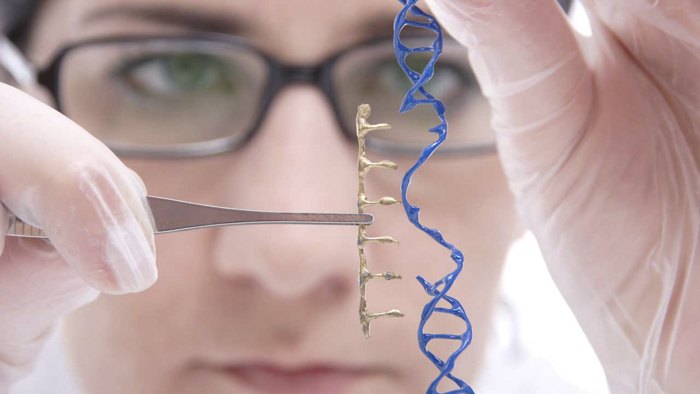
The American start-up Warhound plans to combine gene editing, cloning and specialised equipment for service dogs, which may be used by the US military in the future. The company aims to reduce the risk of hereditary diseases and reproduce the bloodlines of the most successful animals; however, the project does not yet have any dogs ready for service.
Briefly about the main points
- Warhound plans to genetically enhance service dogs for the US military.
- Researchers aim to reduce hereditary risks, particularly vision problems and susceptibility to cancer.
- The company is considering cloning the bloodlines of its most successful service animals.
- More than 80% US service dogs are being procured from Europe, according to Warhound.
- The first puppies are expected in 2027, but there is no guarantee that they will be fit for service.
Working with genes: from health to work performance
The start-up was founded by Palmer Lucky, founder of a defence company Anduril, і Ben Lemm, co-founder of Colossal Biosciences. Warhound raised $200 million in initial investment, and its CEO became David Spirk, who previously served in the US Marine Corps and worked in intelligence.
The breeds being considered for this work include, in particular, Belgian Malinois and German Shepherds — breeds already used by the military and the police. First and foremost, the researchers want to work on genetic variants linked to impaired vision and a predisposition to cancer.
Looking ahead, the company also highlights speed, agility and a keen sense of smell for detecting explosives. However, these are stated objectives rather than characteristics the animals have already demonstrated: the safety of modifying such complex traits and their impact on health still need to be verified.
A focus on in-house breeding and cloning of successful bloodlines
According to Warhound, there are over 80% service dogs in USA are purchased in Europe. Following selection and training, fewer than half of the animals purchased abroad are deemed fit for service.
Training takes around three years: the dog must pass a selection process, master specialised tasks and demonstrate its skills in conditions that closely resemble real-life situations. An animal that does not meet the requirements is not allowed to serve, although it may be kept as a pet or carry out other tasks.
The company hopes to reduce the proportion of dogs that do not complete their training and its reliance on overseas suppliers. One of the methods cited for achieving this is the cloning of the genetic lines of animals that have performed best in service.
Safety features, sensors and the claimed monitoring of animal welfare
The genetic aspect of the project is complemented by a partnership with Anduril to develop equipment. The plan is to fit the dogs with eye and ear protection, as well as EagleEye systems.
According to the company’s vision, EagleEye is designed to help animals and their handlers navigate their surroundings and obtain important information whilst carrying out tasks. In other words, the project involves not only working with DNA, as well as sensor technologies for use in hazardous environments.
Warhound has also stated its intention to prioritise animal welfare. It plans to involve the American Humane Society in this work; amongst other things, the organisation supports programmes to return service dogs to their former handlers once their service has ended.
The first puppies are expected in 2027, but there is still work to be done
The company expects the first litters to be born in early 2027. The potential use of the animals in service is being considered over the next two years or so.
Before they can be put to use, they must undergo genetic screening, cloning, health assessments and extensive training. The mere fact that puppies are born does not guarantee that they possess the required characteristics or the ability to carry out military tasks.
The project also raises bioethical issues. Gene editing may reduce the risk of certain hereditary diseases; however, the effectiveness and safety of attempts to influence animals’ sense of smell, speed or agility have yet to be established in practice.