An independent UN international commission investigating violations in Ukraine has established that Russia’s systematic attacks on energy infrastructure constitute war crimes and crimes against humanity. According to the experts’ findings, the attacks were carried out deliberately to deprive the civilian population of electricity, heating and other essential services. In a report published on 26 October 2026, the commission also presented evidence of the Russian authorities’ involvement in human trafficking from 29 countries to bolster the Russian Federation’s armed forces.
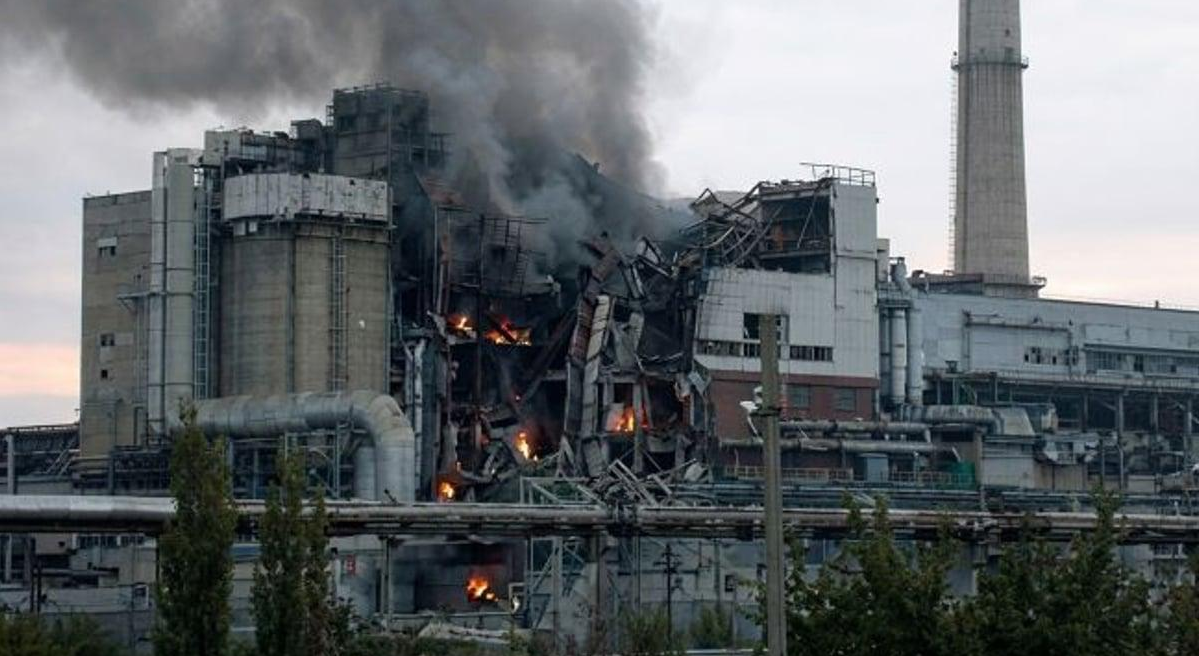
- A UN commission has classified Russia’s systematic attacks on Ukraine’s energy infrastructure as war crimes and crimes against humanity.
- Investigators have established that the attacks were part of a state policy aimed at inflicting suffering on the civilian population.
- The findings are based, in particular, on the testimonies of 255 Ukrainians from nine regions.
- The Commission has uncovered evidence of human trafficking from 29 countries for the purpose of forced conscription into the Russian Armed Forces.
- The UN has called on Russia to cease attacks on civilian targets and to release foreign nationals who were recruited through deception and coercion.
The UN Commission has established that the attacks on the energy sector were deliberate
An independent UN international commission has presented a new report to the General Assembly on violations of international law during the Russian invasion of Ukraine. The investigators focused primarily on large-scale attacks on energy infrastructure and their consequences for the civilian population.
Experts have analysed the Russian shelling that has been ongoing since autumn 2022, with a particular focus on the 2025–2026 heating season. During this period, the attacks became more intense and the geographical scope of the targets expanded.
According to the commission’s findings, the Russian military command was aware that heating infrastructure in large towns and cities was critical to people’s survival during the winter months.
The evidence gathered indicates that the attacks were carried out as part of a state policy aimed at depriving Ukrainians of electricity and other essential services and causing them suffering.
It was precisely these circumstances that formed the basis for the conclusion that the Russian authorities had committed crimes against humanity in the form of other inhumane acts. The commission specifically classified the deliberate attacks on civilian targets as war crimes.
Millions of Ukrainians were left without electricity, heating and water
During the investigation, UN experts examined the consequences of Russian attacks in the Dnipropetrovsk, Kyiv, Kharkiv, Kherson, Mykolaiv, Odesa, Poltava, Zaporizhzhia and Zhytomyr regions.
The Commission gathered testimonies from 255 people who survived the winter of 2025–2026 under conditions of prolonged power cuts, water, gas and heating. Further information was provided by the Ukrainian authorities, medical professionals and civil society organisations.
The situation was at its most difficult during the severe cold spell, when temperatures in some regions dropped below minus 20 degrees.
The elderly, patients in healthcare facilities and people with reduced mobility proved to be particularly vulnerable. The power cut posed risks to patients whose lives depend on medical equipment.
Prolonged heating outages have also had an impact on children’s health. Due to the energy crisis, some schools have been forced to suspend lessons.
Chair of the Committee Erik Møs warned that the intensification of attacks in the run-up to the new heating season poses additional threats to the lives and health of the civilian population.
Russia recruited foreigners from 29 countries through deception and coercion
A separate section of the report is devoted to the recruitment of foreign nationals into the Russian army.
The Commission has found compelling evidence of the involvement of Russian state bodies in human trafficking from 29 countries. For recruitment They used networks of intermediaries and agencies that presented themselves as legitimate companies or organisations, purportedly operating with the support of state institutions.
The men were offered jobs in Russia and were helped to arrange visas and travel documents. However, upon arrival, many were forced to sign contracts with the Russian Ministry of Defence.
The documents were drawn up in Russian, a language which a significant proportion of those recruited did not understand.
According to the accounts of the victims and their relatives, some men had their passports confiscated and were effectively prevented from refusing military service.
After signing their contracts, the foreign nationals were sent to the front line in Ukraine and deployed on dangerous combat missions. A significant number of those recruited were killed or went missing. Others voluntarily surrendered or were taken prisoner by the Ukrainian military.
The Commission has established a high level of coordination between international intermediaries and the Russian authorities. In its view, such practices constitute a breach of international human rights law.
Why it matters
The findings of the independent UN commission have provided further documentary evidence of the systematic nature of Russian attacks on Ukraine’s civilian infrastructure.
It is particularly important to establish a link between the attacks on the energy sector and government policy aimed at depriving people of essential services. The Commission not only documented the destruction but also investigated the motives behind the attacks.
At the same time, its findings do not constitute a court judgement. They may be used for further international investigations and to bring those responsible to justice.
The Commission called for an end to attacks on the civilian population and civilian infrastructure. Separately, it demanded the release from the Russian army of all foreign nationals who have fallen victim to human trafficking.