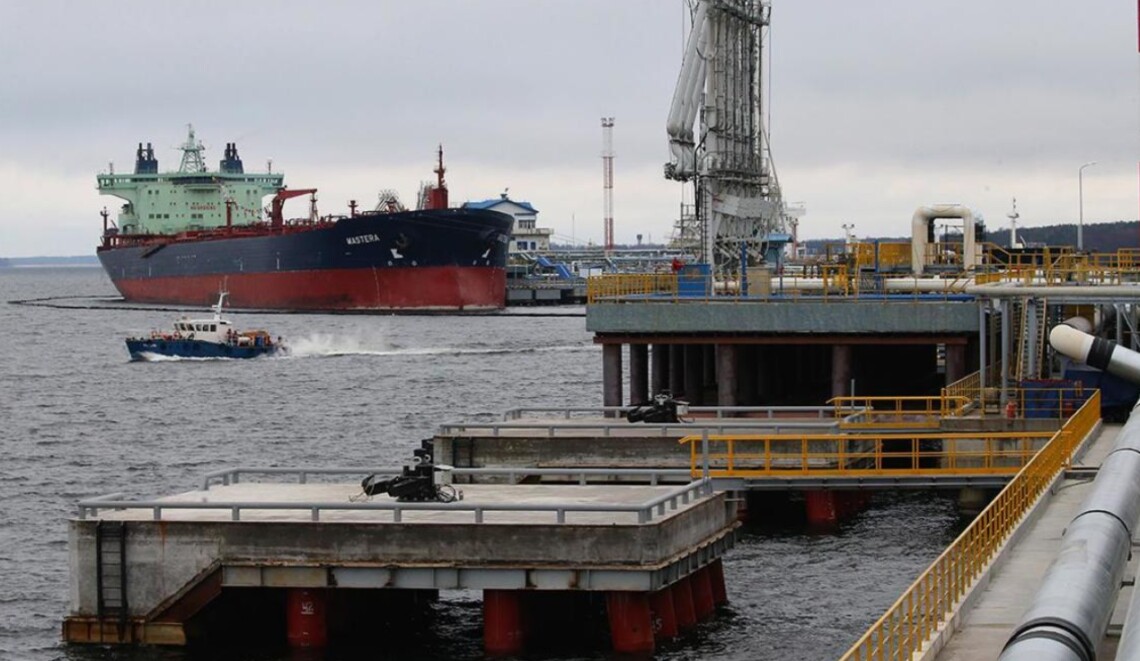
The Russian government has extended the ban on diesel fuel exports until 31 January 2027, in an attempt to stabilise the domestic market following disruptions at oil refineries. At the same time, Moscow plans to more than quadruple overseas supplies as early as November — to 2.15 million tonnes. Some exports will be permitted under special exemptions, notably following agreements with the US.
- Russia has extended the ban on diesel exports until 31 January 2027.
- Special exemptions have been granted to certain exporters.
- Moscow plans to export 2.15 million tonnes of diesel in November.
- Ukrainian strikes on oil refineries continue to affect fuel production.
- Part of the supplies are set to be channelled to the US market.
Russia has extended restrictions on fuel exports for a further three months
On 31 October, the Russian government announced the signing of a decree extending the ban on the export of diesel and marine fuel, as well as gas oils, by direct producers. The restrictions will remain in force up to and including 31 January 2027.
Officials in Moscow have explained the decision as being necessary to maintain stability in the domestic fuel market.
A general ban on the export of certain types of fuel had already been in place until the end of January. However, for direct producers of diesel, the previous deadline for the restrictions was 31 October. This has now been extended for a further three months.
At the same time, the ban is not absolute. The Russian authorities have provided for exceptions for certain exporters and supplies under established quotas.
In this way, the state retains control over fuel exports, whilst allowing for the sale of significant volumes of diesel on the international market.
Moscow wants to increase diesel exports by more than fourfold
Deputy Prime Minister of the Russian Federation Alexander Novak stated that Russia plans to export approximately 2.15 million tonnes of diesel fuel in November.
By way of comparison, in October, the volume of supplies was estimated at 510,000 tonnes.
If the forecast proves accurate, monthly exports will increase by approximately 4.2 times.
Despite the formal extension of the ban, these figures indicate Moscow’s intention to gradually re-establish its presence on the global fuel market.
The Russian authorities are preparing a system of export quotas for certain oil refining companies. In October, the permitted volumes stood at around 500,000 tonnes, and in November they may rise to approximately 2 million tonnes. Supplies under existing intergovernmental agreements are set to continue.
Novak also suggested that exports could rise further to 3.5 million tonnes a month by the end of the year, provided the domestic market has sufficient supplies of fuel.
All these figures are still forecasts, and the actual volumes will depend on the operations of oil refineries and government decisions.
How Ukrainian strikes on oil refineries have affected the Russian fuel market
One of the reasons for the introduction of export restrictions was the disruption to the production of petroleum products following strikes by Ukrainian drones at Russian oil refineries.
Throughout 2026, attacks repeatedly led to the shutdown of processing plants, fires and the need for repair work.
Due to a reduction in oil refining on the Russian market, there were disruptions to the supply of certain types of fuel.
In response, the government imposed restrictions on exports of petrol, diesel and other petroleum products in an attempt to channel larger volumes towards domestic consumption.
However, in the second half of October, the situation changed somewhat.
Following a temporary decline in the number of attacks, Russian oil refineries increased their crude oil processing by approximately 25% compared with the start of the month.
Refining volumes reached around 5 million barrels per day. The resumption of operations at the refineries made it possible to increase diesel production and created opportunities for expanding exports. However, on 30 October Attacks on Russian businesses have resumed.
Novak acknowledged that three oil refineries and one gas chemical complex had come under attack. According to him, one of the facilities sustained minor damage.
A Russian official gave assurances that the new attacks should not have a significant impact on fuel supplies to the domestic market.
Russian diesel fuel may be supplied to the US
The agreements between Moscow and Washington on the supply of Russian diesel fuel are attracting particular attention.
After a telephone conversation Donald Trump and Vladimir Putin In October, the parties agreed on the possibility of Russian fuel returning to the US and global markets.
To this end, the US eased some of the sanctions, by permitting certain transactions involving diesel fuel of Russian origin.
Novak reported that, at the end of October, several tankers carrying Russian diesel set sail for the Atlantic Ocean.
An increase in exports to the US and other countries will depend on the fulfilment of contracts, logistics and future trade decisions.
For the Russian oil industry, the resumption of exports means an opportunity to increase revenue from the sale of petroleum products. However, further attacks on refineries could once again affect production and force the authorities to review the permitted export volumes.