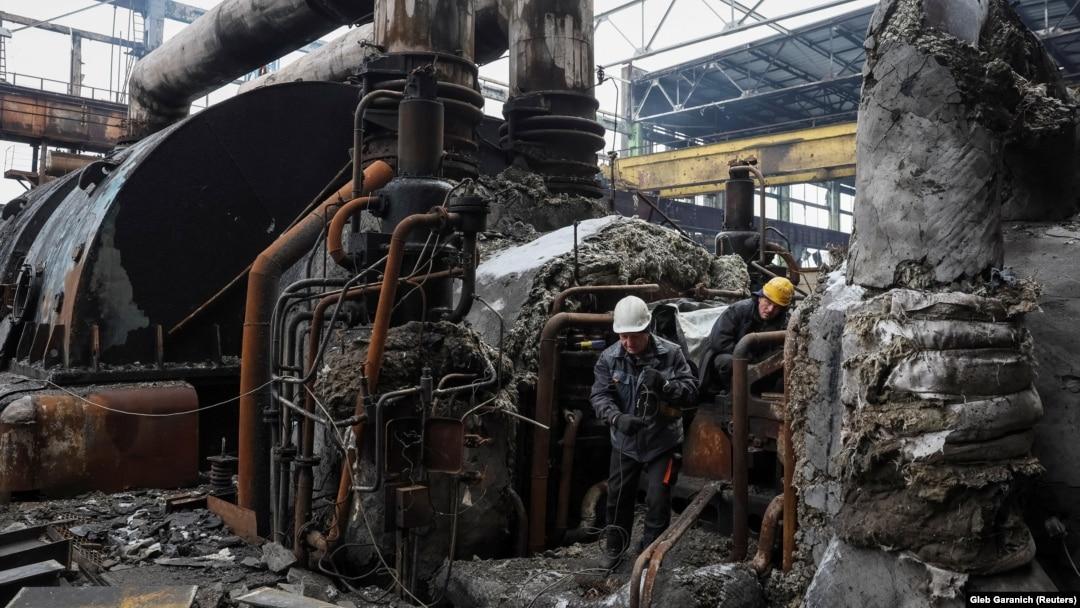
Kyiv’s three main combined heat and power stations — CHPS-5, CHPS-6 and the Darnytsia CHPS — have ceased electricity generation as a result of Russian attacks. This was reported by RBC-Ukraine on 2 November 2026, citing sources. Previously, these plants were able to supply the capital with approximately 1.3 GW of capacity. Kyiv is now forced to rely more heavily on electricity supplies from other regions, whilst renewed shelling poses risks to the electricity supply, heating and the operation of public transport.
- CHP-5, CHP-6 and the Darnytsia CHP are not generating electricity following the Russian shelling.
- Previously, the capital’s large combined heat and power stations provided up to 1.3 GW of electrical capacity.
- Kyiv has become significantly more dependent on electricity supplies from other regions of Ukraine.
- The cessation of electricity generation does not mean that heat production comes to a complete halt.
- Due to fresh attacks this winter, there may be prolonged power cuts, heating problems and disruption to the underground service.
What is known about the suspension of electricity generation at Kyiv’s combined heat and power stations
According to sources speaking to RBC-Ukraine, the capital’s three main combined heat and power stations have lost the ability to generate electricity due to numerous Russian strikes.
«Ekonomichna Pravda» reported on the suspension of power generation at these stations as early as 15 October. The night before, on the night of 14 October, all three facilities were again targeted by Russian attacks.
Previously, CHP Plant No. 5, CHP Plant No. 6 and the Darnytsia CHP Plant supplied a significant proportion of Kyiv’s electricity needs. The city is now more dependent on Ukraine’s integrated power system.
Additional risks arise from damage to power grids and substations. Even if there is sufficient electricity in other regions, it may be difficult to transmit the required amount to the capital.
Will Kyiv be left without heating?
The suspension of electricity generation does not mean that combined heat and power plants have ceased operations entirely.
Member of Parliament, First Deputy Chair of the Parliamentary Committee on Energy Alexey Kucherenko On 17 October, he explained that Kyiv’s combined heat and power stations can operate in heating-only mode — producing heat without generating electricity.
According to him, this was precisely the operating mode to which the capital’s combined heat and power stations were switched following the damage.
At the same time, the situation regarding heating remains difficult. According to RBC-Ukraine, Kyiv is relying on backup boiler houses, but some of the planned capacity is not yet operational.
Even if all backup facilities are brought online, there is no guarantee that the city will be able to maintain the standard temperature in all residential buildings during severe cold spells.
As a reminder, on 16 October, the capital began the heating season for social care facilities. This was officially announced by the city authorities.
What problems with the electricity supply and the underground might arise in winter?
One of the main risks remains the risk of power shortages during severe cold spells and repeated disruptions to the power grid.
According to experts’ estimates, electricity consumption in Kyiv during the cold season could rise to 1.8–2 GW. This significantly increases the strain on the system, which has already lost some of its major generating capacity.
The operation of the Kyiv Metro could pose a particular problem.
According to one of RBC-Ukraine’s sources, the metro consumes significant amounts of electricity. In the event of a critical power shortage, its operations may be temporarily restricted in order to stabilise the power grid.
Similar disruptions had already occurred on 8 October, when a drop in voltage at the external power supply centres underground stopped briefly.
At the same time, the publication’s sources emphasise that the duration of any potential outages will depend on further attacks and the speed at which the damaged equipment is repaired.
What is the forecast for how Kyiv will get through the winter?
According to RBC-Ukraine, the publication’s sources are considering several scenarios for the coming heating season.
Under relatively favourable conditions, the capital will be able to maintain the operation of its essential life-support systems thanks to electricity supplies from other regions, reserve capacity and the restoration of damaged infrastructure.
If, however, Russia continues to massive blows, the situation could take a turn for the worse.
One of the publication’s sources suggests that, in the worst-case scenario, the city will be able to rely on its own resources to ensure, first and foremost, the water supply, sewerage and power supply to critical infrastructure.
Some residential areas may be left without central heating, and the restoration of services will depend on the capacity of the backup equipment.
According to sources, the situation on the left bank of the capital may prove to be more complicated.
At the same time, these estimates represent possible scenarios rather than a confirmed forecast of power cuts.
As of 2 November 2026, reports that the three main combined heat and power stations have ceased electricity generation are based on information from Ukrainian media sources. There has been no specific, up-to-date official confirmation from the operators of all three stations. The continued stability of the power supply will depend on the intensity of Russian attacks, weather conditions and the pace of repair work.