The US Department of Justice, under the Trump administration, began to intervene more actively in electoral processes in the run-up to the mid-term congressional elections on 3 November 2026. In particular, the department attempted to block the counting of around 20,000 postal ballots in California and to challenge the procedure for certifying the results of the Senate election in Alaska. Both attempts have so far been rejected by the courts. This was reported by Reuters on 2 November.
- The US Department of Justice has stepped up its intervention in electoral disputes ahead of the 3 November vote.
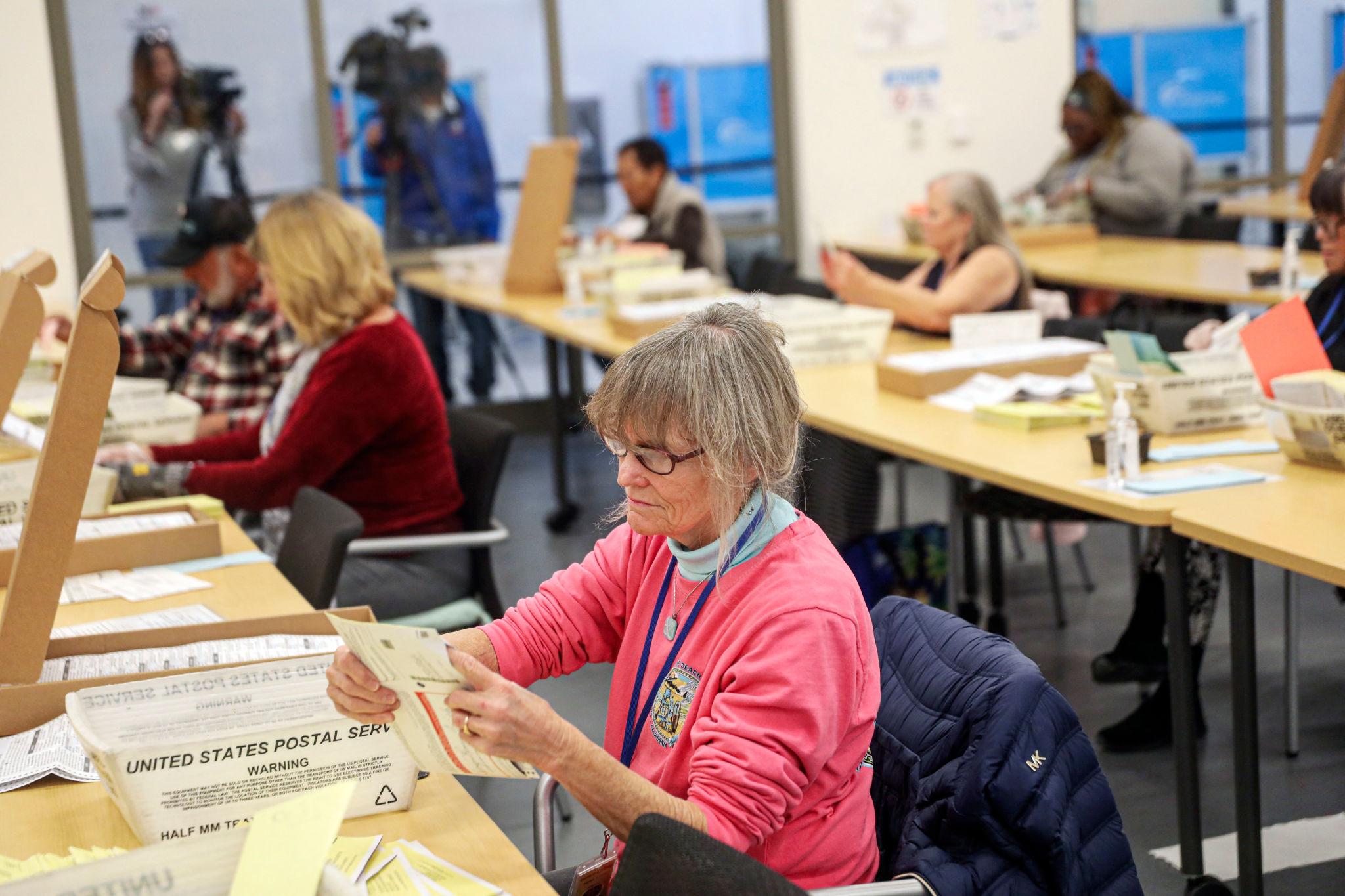
- In California, the authority attempted to suspend the counting of around 20,000 postal ballots.
- In Alaska, the Ministry of Justice sought to block the certification of the Senate election results, but the court dismissed the claim.
- The Trump administration has downsized the unit within the Ministry of Justice that specialises in electoral integrity.
- Critics fear political interference in the elections, whilst the Ministry of Justice states that it is merely ensuring compliance with federal laws.
The US Department of Justice attempted to block 20,000 ballot papers in California
One of the most high-profile cases was the legal battle between the Ministry of Justice and the Californian authorities.
The federal agency demanded that postal ballot papers from approximately 20,000 voters be temporarily excluded from the count, as the Trump administration suspects him of not holding US citizenship.
US law prohibits non-citizens from voting in federal elections. However, the Californian authorities have stated that voter verification mechanisms are already in place in the state, and that the Department of Justice does not have the power to block their votes on its own.
The Federal Court of Appeal has dismissed the Trump administration’s claims.
In addition, the Ministry of Justice has requested documents as part of a related criminal investigation. Californian officials object to the federal agency’s actions, considering them to be an abuse of power.
Court rejects attempt to interfere in the Alaska election
Another dispute has arisen in Alaska, where the incumbent Republican senator is vying for a seat in the Senate Dan Sullivan and Mary Peltola, a representative of the Democratic Party.
A former teacher is also standing in the election Daniel J. Sullivan, whose name is almost identical to that of the current senator.
The Ministry of Justice suggests that the emergence of a second candidate may have been an attempt to confuse voters.
The agency has applied to the court to suspend the certification of the results if the incumbent senator loses by a narrow margin and the votes for his namesake could have affected the outcome.
On 1 November, a federal judge Sharon Gleeson dismissed the claim. It concluded that the proposed investigation could not be carried out without breaching the secrecy of the ballot.
The Ministry of Justice has appealed against the decision.
Sam Daniel J. Sullivan denies any intention to mislead voters. At the campaign headquarters Mary Peltoli They also denied any involvement in the nomination of a candidate with a similar surname.
The Trump administration has changed the rules governing the Department of Justice
According to Reuters, the Trump administration has significantly downsized the Public Integrity Section, which deals with issues of corruption and electoral irregularities.
Previously, its experts had advised prosecutors and investigators on electoral matters. In particular, they often recommended refraining from intervention until the voting results had been officially confirmed.
Mandatory consultations with this department have now been cancelled.
According to three sources familiar with the matter who spoke to Reuters, the final resolution of disputes between prosecutors and investigators will increasingly be referred to political appointees within the President’s Office.
Former officials at the Ministry of Justice believe that such changes could undermine the independence of law enforcement agencies in politically sensitive cases.
At the same time, officials from the department claim that the new procedure will enable federal legislation to be applied more effectively.
What was said in Washington and what to expect on 3 November
US Attorney General Todd Blanche rejects accusations of political bias.
Spokesperson for the Ministry of Justice Kirsten Pels stated that the agency does not support any election campaign, but ensures compliance with the law.
However, former officials from the Ministry of Justice and human rights organisations fear that the involvement of federal law enforcement agencies in electoral disputes could undermine confidence in the results of the vote.
Under the US Constitution, the organisation and conduct of elections fall within the remit of the individual states. Federal government At the same time, it has the right to ensure compliance with the laws that protect citizens’ electoral rights.
Separately, the Ministry of Justice has confirmed that FBI and ICE staff will not be acting as observers at polling stations on 3 November. Federal observers must work unarmed and must not interfere with the voting process.
As of 2 November, courts in California and Alaska had dismissed the Ministry of Justice’s claims, but the appeal proceedings in Alaska are still ongoing. The election will take place on 3 November, and the final results will depend on the counting of votes and the completion of the procedures laid down by law.