The American company Apple has warned of an unprecedented rise in the cost of memory chips, driven by the artificial intelligence boom. Against this backdrop, on 3 November 2026, the tech giant’s shares fell by around 4%, despite strong quarterly results and high demand for the new iPhones.
Why has artificial intelligence led to a rise in the cost of memory?
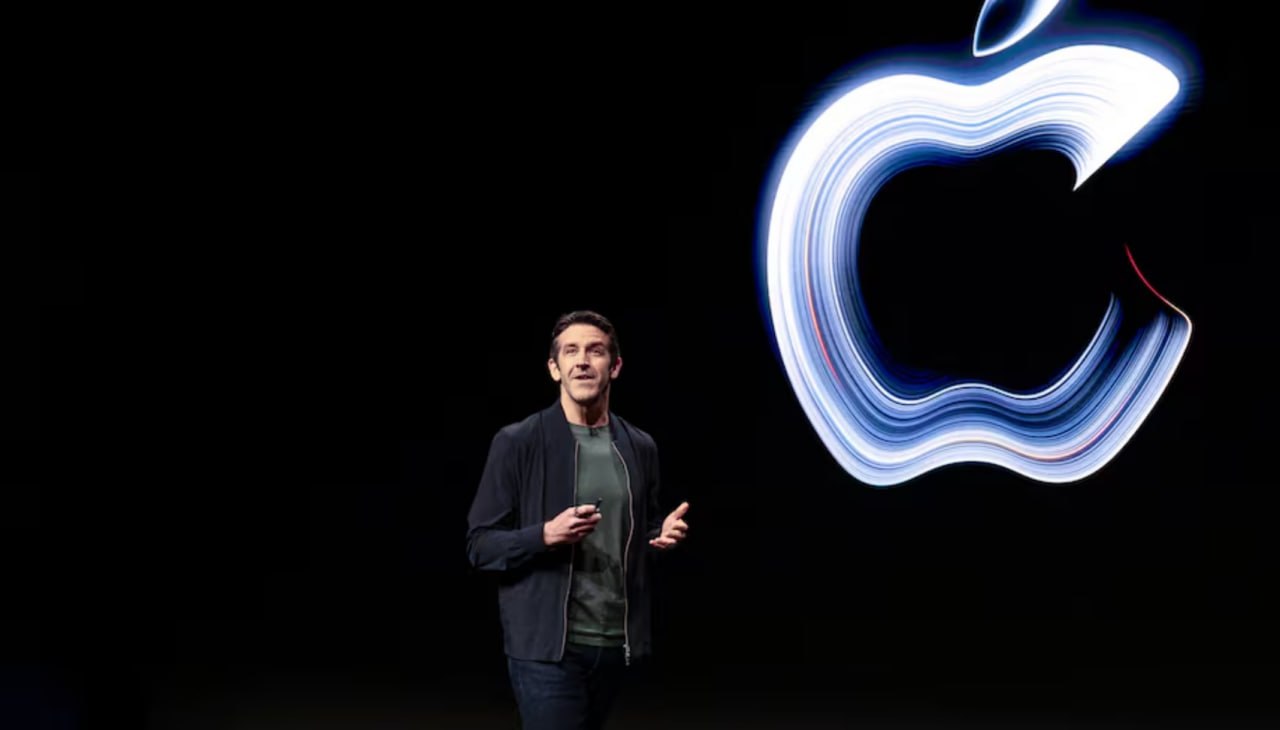
General Director Apple John Turnus During the presentation of the financial results on 2 November, he stated that the company had been faced with an unusually rapid rise in the price of memory chips.
The reason is the large-scale investment by technology corporations in data centres for artificial intelligence. They require huge amounts of fast, high-performance memory, which intensifies competition for production capacity.
As a result, components are becoming more expensive not only for servers, but also for smartphones, laptops and other electronic devices. Manufacturers are forced either to raise prices or to accept lower profit margins.
Apple has partly protected itself against price rises by purchasing chips in advance at lower prices and securing agreements for future supplies. However, as these cheaper stocks run out, the company will become increasingly dependent on current market prices.
Apple forecasts a fall in profits despite record iPhone sales
For the quarter ending 26 September 2026, Apple’s revenue reached $114.5 billion. This is 12% more than in the same period last year.
The company also reported a net profit of $30.71 billion, whilst earnings per share stood at $2.10.
At the same time, Apple’s gross margin for July–September stood at 47.9%. For the quarter ending in December, the company forecasts that it will fall to 45–46%.
Profitability is under pressure not only from more expensive chips, but also from the additional costs of developing the new Siri with artificial intelligence features.
Following the release of the forecast, Apple shares fell by around 4%. Investors fear that even strong sales of the premium iPhone 18 Pro models will not be enough to fully offset the rise in component costs.
Management also reported that liabilities under contracts for the procurement of components and manufacturing services had increased by approximately $33 billion, to $89.7 billion.
Will iPhones and MacBooks become more expensive due to a memory shortage?
The rise in the cost of memory has already had an impact on Apple’s pricing policy.
According to The Guardian, the company raised prices for certain iPad and MacBook models in June, and for the iPhone in September. The management acknowledged that these decisions had partly offset the rise in production costs.
However, no further price rises for devices have yet been announced due to the current increase in the cost of memory.
What happens next will depend on the cost of components and the extent to which consumers are prepared to pay more for electronics.
Analysts warn that another rise in prices could dampen demand, particularly amongst shoppers who are already feeling the effects of inflation.
As of 3 November, Apple is forecasting a decline in its gross margin in the final calendar quarter of 2026, but at the same time expects demand for its devices to remain high. Will further increases in the cost of memory lead to new price tags on iPhone and MacBook, the company has not yet provided further details.