Almost 90 million refugees and internally displaced people worldwide live in countries facing serious climate-related threats. Droughts, devastating floods and extreme heat are making life even harder for people who have already been forced to leave their homes due to war and persecution. This is according to a new report by the Office of the United Nations High Commissioner for Refugees (UNHCR), published on 6 November ahead of the COP31 climate summit in Turkey.
- Almost 90 million displaced people live in countries with high climate risks.
- Over the past decade, weather-related disasters have caused more than 255 million instances of internal displacement.
- By the end of the year, floods in Africa could displace a further three million people.
- Only 10 per cent of climate finance reaches fragile and conflict-affected countries.
Three-quarters of internally displaced people live in countries with high climate risks
According to the UN, almost 75 per cent of all internally displaced people live in countries that are particularly vulnerable to the effects of climate change. These include Afghanistan, Bangladesh and a number of African countries, where protracted conflicts are compounded by water and food shortages and the destruction of infrastructure.
Climate disasters are increasingly forcing people to flee their homes time and again. In the last decade alone, weather-related natural disasters have caused over 255 million instances of internal displacement. That is an average of around 70,000 displacements every day.
At the same time, the return of refugees to their home countries does not always mean the end of the humanitarian crisis. In the first half of 2026, more than two-thirds of the refugees who returned to their home countries found themselves in regions with high climate risks.
Africa is facing the threat of dangerous heatwaves and widespread flooding
The UN forecasts a particularly challenging situation in sub-Saharan Africa. By 2050, one in three refugee settlements in this region could experience at least 100 days of dangerous heat each year. In certain parts of Ethiopia, such temperatures could persist for over 200 days a year.
A further danger is posed by the predicted intensification of this weather phenomenon El Niño. According to UNHCR estimates, widespread flooding in Somalia, Kenya, South Sudan and Uganda could lead to a further three million people being displaced by the end of 2026.
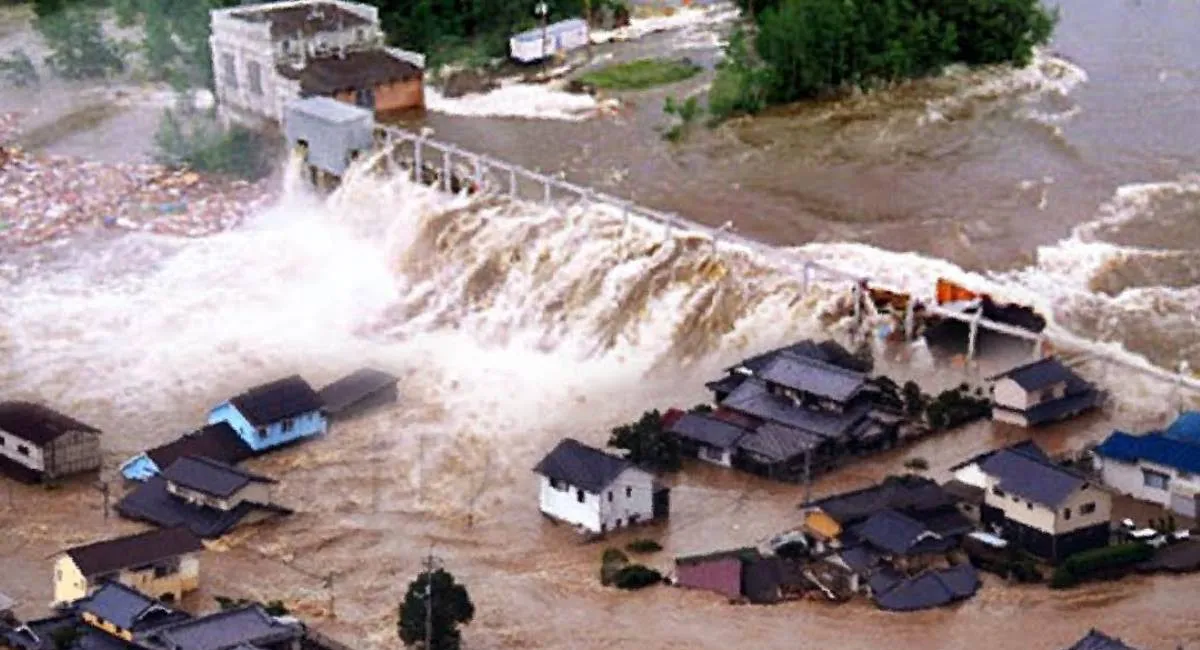
In Syria, where nearly four million displaced people have recently returned, water shortages and erratic rainfall are hampering the recovery. In May, flooding along the Euphrates River damaged homes and forced thousands of people to flee their homes once again.
The UN is calling for increased funding ahead of the COP31 summit
Despite the scale of the threat, only around 10 per cent of global climate finance reaches fragile and conflict-affected countries. It is in these places that a significant proportion of the people who are most in need of protection from droughts, floods and extreme temperatures live.
UNHCR is calling on governments and international financial institutions to allocate more funds to water supply, infrastructure development and helping vulnerable communities adapt to climate change.
These issues will be discussed at the COP31 climate conference, which will take place from 9 to 20 November 2026 in Antalya, Turkey. One of the agency’s demands will be the inclusion of the needs of refugees and internally displaced persons in national climate programmes and international funding mechanisms.