The US’s European allies are concerned about the Donald Trump administration’s initiative to establish a new security framework between the West and Russia. In Brussels, there are fears that Washington may negotiate with Moscow without the full involvement of European states, and that the Kremlin will use the talks to push its own demands. A possible review of US troop numbers in Europe is causing further concern.
- The US is discussing a new security framework that will encompass Ukraine, Russia and Europe.
- According to Politico, NATO allies were not informed in advance of the US initiative.
- European diplomats fear that the talks may be used to push through Moscow’s demands.
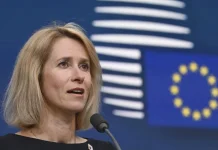
- Kaja Kallas emphasised that Putin has no right to veto decisions on European security.
- The review of the US military presence, expected in December, is causing further concern.
The US did not inform its NATO allies about the new initiative
According to Politico, the administration Trump is discussing a wide-ranging agreement with Russia that would go beyond ending the war against Ukraine and would concern the future European security architecture. At the same time, three NATO diplomats interviewed by the publication were unaware of any prior consultations between Washington and its allies regarding this proposal.
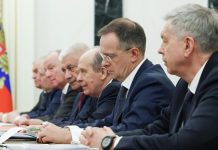
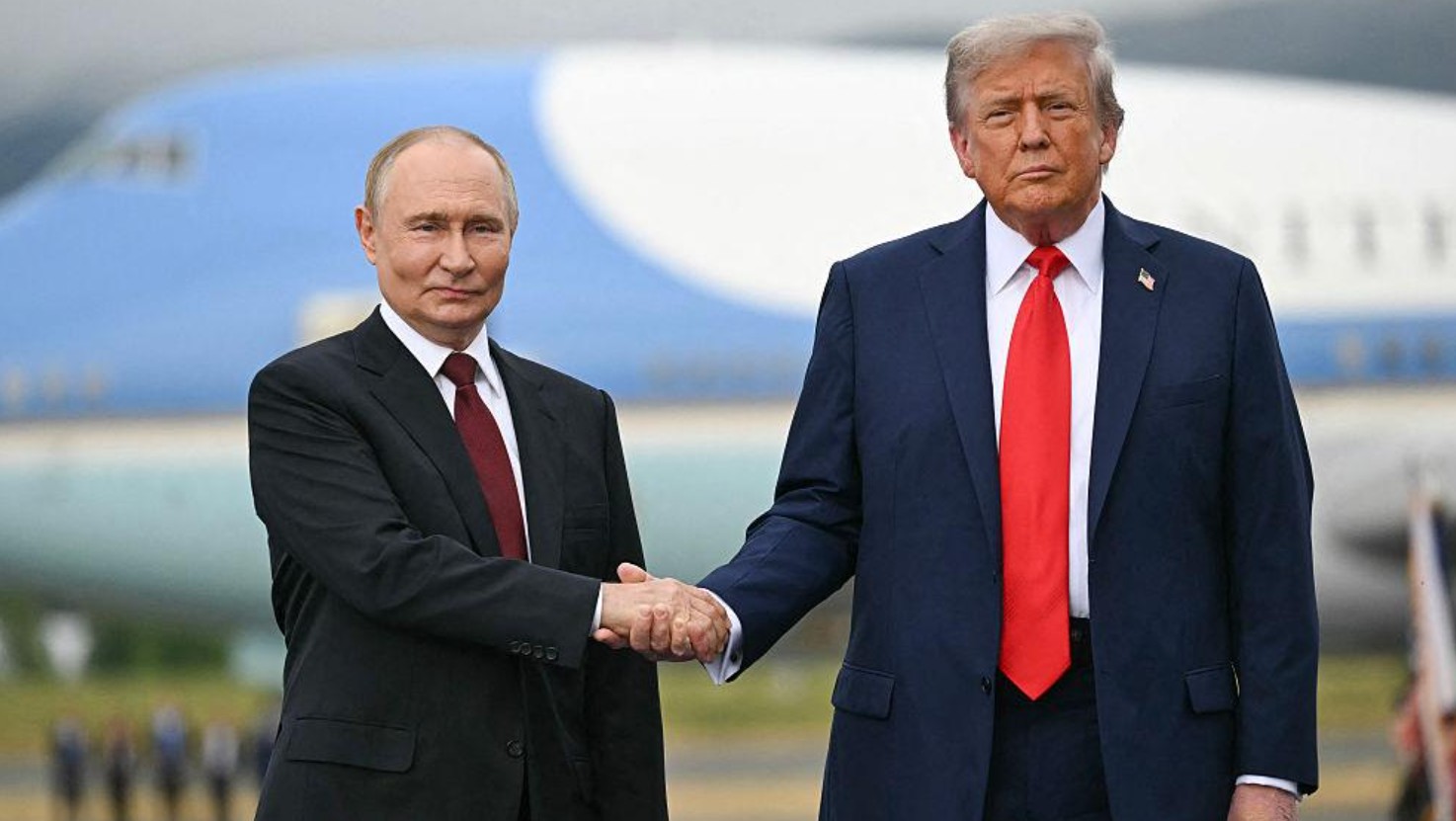
The initiative gained publicity following Donald Trump’s meeting with a Russian representative Kirill Dmitriev 5 November. The US President suggested the possibility of a major agreement that would cover not only Ukraine but the whole of Europe.
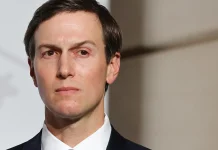
Subsequently Jared Kushner, who is involved in the US administration’s diplomatic engagements, outlined five key elements of the proposed system: regular consultations on security matters, reliable channels of communication during crises, greater transparency regarding military activities, reciprocal measures to reduce the risk of escalation, and a long-term mechanism for stability in Europe.
European diplomats note that these provisions do not, in themselves, give rise to any fundamental objections. However, they are concerned about the lack of specific details and the possibility that Moscow might use the negotiations to legitimise its own demands regarding restrictions on the security policies of European states.
Callas stated that Putin has no right to veto European security
The EU’s High Representative for Foreign Affairs Kaya Kallas, commenting on the US proposal on 6 November in Warsaw, stressed…that Europe already has a functioning security system, underpinned by NATO and the European Union. In her view, Ukraine should be integrated into this system, and Russia cannot dictate decisions to European states.
Callas also pointed out that Moscow has repeatedly violated the international agreements on which European security is based. She emphasised that Vladimir Putin has no right of veto over such decisions.
The Lithuanian President backed this position Gitanas Nauseda, who, following a meeting of representatives from eight countries in Northern Europe and the Baltic states, emphasised the need for Europeans to play a full part in the negotiations concerning Ukraine and the future of the continent.
At the same time, according to sources speaking to Politico, the European Union is not opposed to the negotiation process itself. Brussels is prepared to join the diplomatic efforts, but has doubts about Russia’s willingness to honour any future agreements.
There are fears in Europe that US troops will be withdrawn
A particular concern for the allies relates to the review of the US military presence in Europe, which is expected in December. NATO diplomats do not rule out the possibility that Washington may link new security arrangements to decisions regarding the size and deployment of its troops on the continent.
According to the publication’s sources, a possible reduction in the US troop contingent would significantly alter the terms of the negotiations with Moscow. However, no official decision on such a reduction has yet been taken, and some allies remain concerned about its link to Kushner’s proposal.
European officials also believe that the Trump administration may be underestimating the consequences of a peace deal that is unfavourable to Ukraine. They stress that any agreement with Russia that does not include reliable guarantees for Kyiv will have long-term implications for the security of the entire continent.
Talks on Ukraine will take place on 10–11 November
Two rounds of working-level consultations on a possible peaceful settlement took place in Brussels this week. The next stage negotiations mediated by the US, is scheduled for 10–11 November in Abu Dhabi, with representatives from Ukraine and Russia taking part.
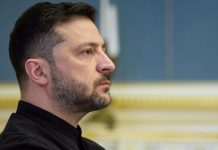
The President of Ukraine, Volodymyr Zelenskyy, has previously stated that the top priority must be to bring the war to an end, after which security guarantees for Ukraine must be agreed. Only then, in his view, can negotiations on a broader European security architecture begin.
European leaders plan to discuss further coordination of their positions next week at an informal meeting in Dublin. The meeting was originally intended to focus on artificial intelligence, but Washington’s new diplomatic initiatives may become one of the main topics of discussion.