The number of births in Ukraine has fallen by almost 40 per cent over the past four years. Whilst 273,772 newborns were registered in 2021, the figure stood at just 168,778 in 2025. In the first six months of 2026, the figure fell even further, to 73,292 children. This is according to data from the Ministry of Justice, provided in response to a request from LIGA.net. The war has accelerated a demographic decline that began long before the full-scale invasion, and Ukraine will feel its consequences for decades to come.
- Between 2021 and 2025, the number of births in Ukraine fell by 38.4 per cent.
- In the first half of 2026, only 73,292 newborns were registered.
- Among the reasons for the decline are the war, forced migration and the postponement of parenthood.
- Over a six-month period, the death rate was approximately 3.5 times higher than the birth rate.
- The demographic decline will have an impact on the labour market, education and post-war recovery.
The birth rate has been falling for the fifth year running
According to the Ministry of Justice, 206,032 births were registered in Ukraine in 2022 — a quarter fewer than the previous year. In 2023, the number of newborns fell to 187,387; in 2024, to 176,679; and in 2025, it stood at 168,778. The overall decline compared with the last year before the full-scale invasion reached 38.4 per cent.
Statistics for the first half of 2026 indicate that the situation has continued to deteriorate. Over the six-month period, 73,292 births were registered, compared with 133,457 for the same period in 2021. This represents a decline of approximately 45 per cent. Compared with the first half of 2025, the number of newborns fell by a further 16 per cent.
Today, an average of around 12,000 births are registered each month in Ukraine. Ten years ago, this figure stood at approximately 32,000. However, wartime statistics have a significant limitation: the registration data do not reflect all children born to Ukrainian families abroad, nor do they provide full coverage of the occupied territories.
War, migration and uncertainty: why Ukrainians are putting off having children
One of the main factors behind the demographic decline has been forced migration. According to UN estimates, by the end of 2025 Around 5.9 million Ukrainians remained abroad. A significant proportion of the refugees are women and children. Consequently, some of the births that might otherwise have taken place in Ukraine are now occurring in other countries.
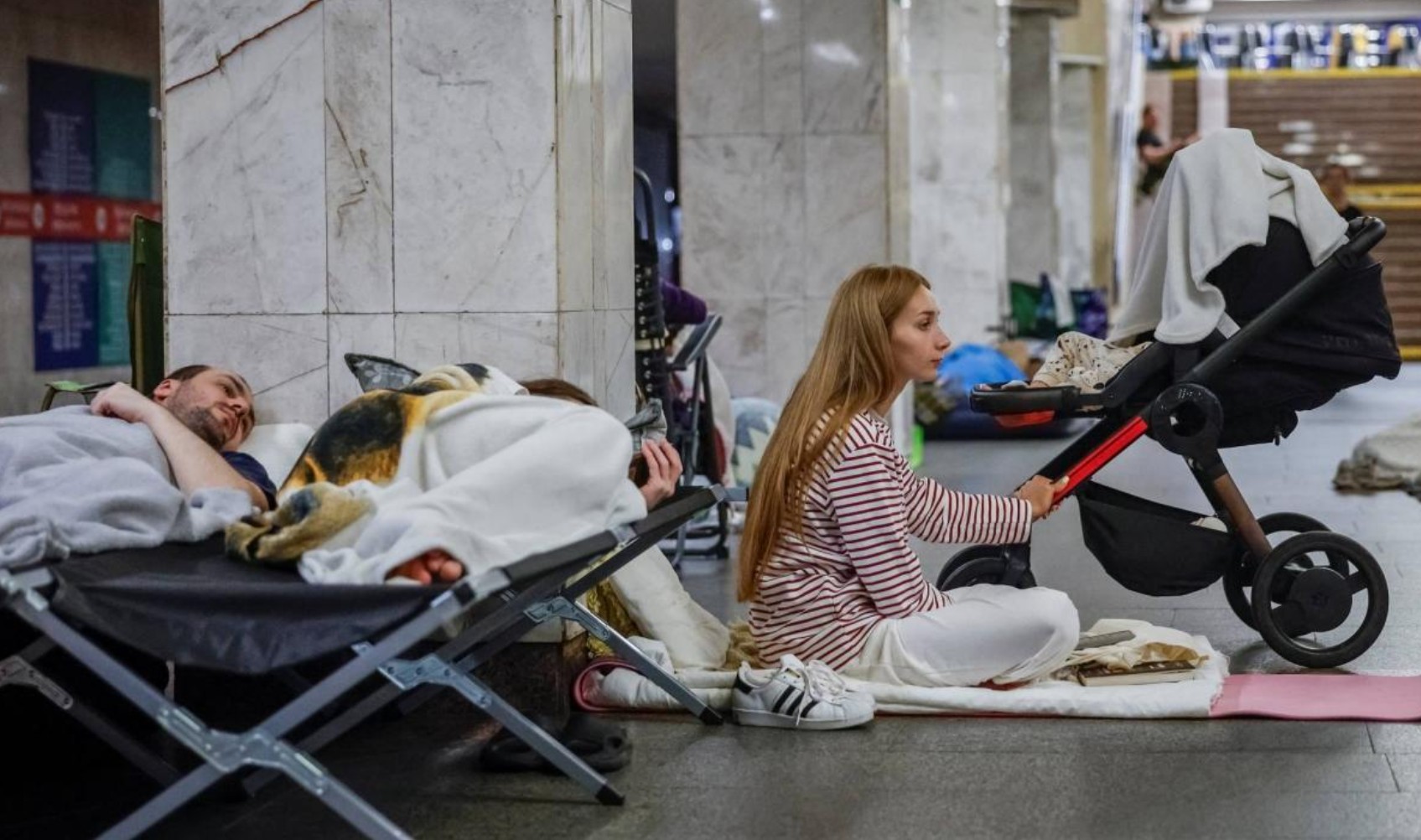
Another equally important factor is the postponement of parenthood. Mobilisation, families being separated, unstable incomes, destroyed homes and the constant threat of shelling make long-term planning difficult. Even families who have not left Ukraine often postpone the decision to have a child due to uncertainty about work, safety and the future.
The war has also made access to healthcare more difficult. According to the United Nations Population Fund (UNFPA), attacks on hospitals, power cuts and the evacuation of medical facilities pose additional risks to pregnant women. In frontline regions, maternity wards are forced to operate in shelters or to relocate some of their services to safer areas.
The death rate is almost four times higher than the birth rate
Demographic situation is exacerbated by a high mortality rate. According to Opendatabot, based on data from the Ministry of Justice, 259,853 deaths and only 73,292 births were registered in Ukraine in the first half of 2026. Thus, there were approximately 3.5 deaths for every birth.
The difference between the number of deaths and births over a six-month period was 186,561. This figure represents the natural population decline based on registration data, excluding migration and any gaps in wartime statistics.
At the same time, the situation varies significantly from region to region. The highest number of births in the first half of the year was recorded in Kyiv — 8,352, in the Lviv region — 6,617, and in the Dnipropetrovsk region — 5,611. The situation is considerably more challenging in frontline areas, where population displacement, the destruction of homes and the danger posed by the conflict are having a direct impact on the number of newborns.
The shrinking population will affect Ukraine’s economy and its recovery
The consequences of the current demographic decline extend far beyond birth rate statistics. Fewer children mean a gradual decline in the future working-age population. For Ukraine, which is already facing labour shortages due to the war and migration, this poses additional risks to economic recovery.
The education system and local communities may be the first to feel the effects of these changes. The decline in the number of children will affect enrolment figures in nurseries and schools, particularly in small towns and villages. In 15–20 years’ time, the current decline in birth rates will affect the number of young workers and, subsequently, the ratio of working people to pensioners.
However, the fall in the number of registered births cannot be entirely equated with a decline in Ukrainians’ desire to have children. Some families are having children abroad, whilst others are postponing parenthood until the situation stabilises. Therefore, future trends will depend not only on the end of the war, but also on the return of displaced persons, the availability of housing, incomes and families’ confidence in the future.
Ukraine has a demographic strategy up to 2040
In September 2024, the Cabinet of Ministers approved the Demographic Development Strategy up to 2040. The document sets out measures to create conditions for Ukrainians to return from abroad, support families with children, improve quality of life and adapt public policy to an ageing population.
However, the disposable ones themselves payments The number of children born is not sufficient to reverse the long-term demographic decline. Families’ decisions are influenced primarily by security, stable employment, affordable housing and the ability to balance parenthood with work.
Demographic challenges had already existed in Ukraine prior to 2022, so even the end of hostilities will not mean an automatic return to pre-war levels. The scale of future population recovery will depend on how many Ukrainians return home and whether young families are able to plan their lives in Ukraine for years to come.