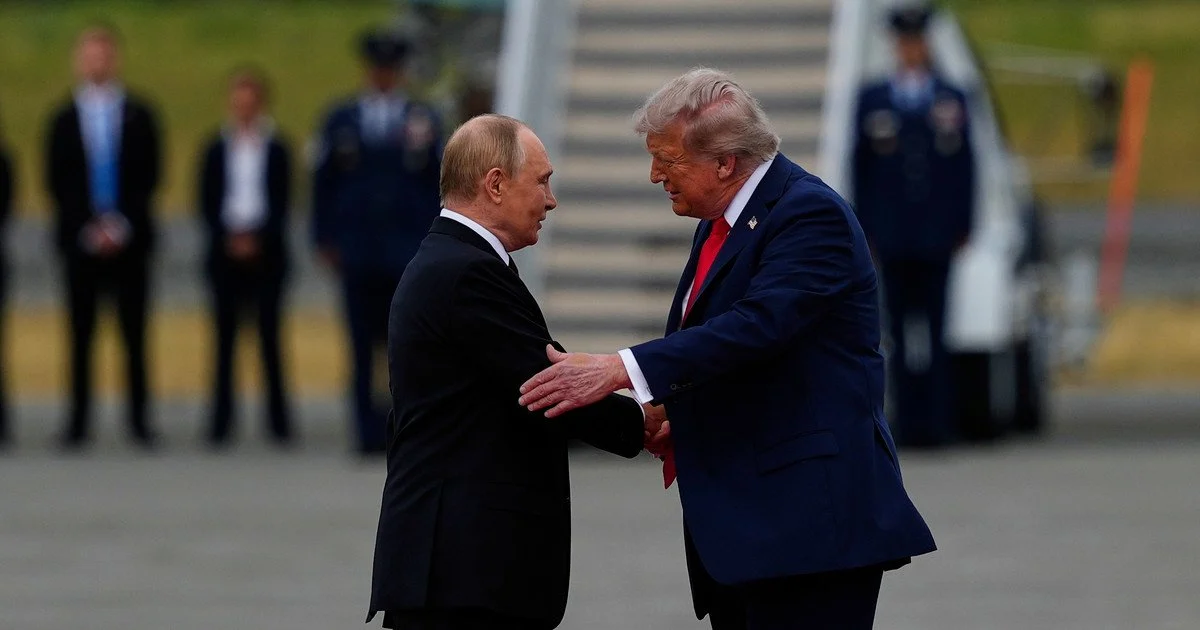
The actions of US President Donald Trump over the past 72 hours appear to be an attempt to force Ukraine to agree to capitulation whilst, at the same time, helping the Russian economy. This assessment of Washington’s policy was published on 12 October by the American journalist Anne Applebaum in her column for The Atlantic. The author highlights the easing of sanctions on Russian diesel fuel, pressure on Kyiv to cease strikes on oil refineries, and reports of threats to restrict US military and intelligence support. In her view, the US is demanding concessions from Ukraine without receiving any confirmed reciprocal commitments from Moscow to end the war.
- The Atlantic has described Trump’s latest decisions as an attempt to force Ukraine to capitulate.
- The US has eased sanctions restrictions on Russian diesel fuel.
- Washington is demanding that Kyiv cease its attacks on Russian oil refineries.
- The Financial Times reported on threats to restrict military and intelligence support for Ukraine.
*The Atlantic* saw Trump’s actions as an attempt to force Ukraine to make concessions to Russia
American journalist and historian Anne Applebaum published a column in *The Atlantic* examining the sharp shift in the Donald Trump administration’s approach to Russia’s war against Ukraine.
In the author’s view, the decisions taken by Washington over the past three days place Ukraine at a disadvantage and weaken international pressure on the Kremlin. Applboom emphasises that the United States has eased restrictions on Russian diesel fuel, whilst at the same time demanding that Ukraine cease its attacks on Russian oil refineries. She believes that this approach deprives Kyiv of an important instrument of military and economic pressure, without requiring equivalent concessions from Moscow.
The author of *The Atlantic* characterises these actions as an attempt to extract concessions from Ukraine amounting to a capitulation, rather than as a balanced diplomatic mechanism for ending the war.
The US is threatening to restrict the provision of intelligence and arms supplies to Ukraine
According to the Financial Times, representatives of the Trump administration have been in contact with Kyiv and European capitals, demanding an end to Ukrainian long-haul attacks on Russian oil refineries.
According to the publication, The American side threatened to suspend the exchange of intelligence and the functioning of the PURL mechanism, through which European countries finance the procurement of American weapons for Ukraine.
Applboom believes that such pressure could significantly weaken Ukraine’s defence capabilities, particularly as winter approaches.
At the same time, Russia continues to launch attacks on Ukraine’s energy infrastructure, and there is no confirmed agreement to halt these attacks.
Russian diesel is unlikely to bring prices down significantly in the US
The Atlantic also questioned the economic rationale agreements Donald Trump and Vladimir Putin.
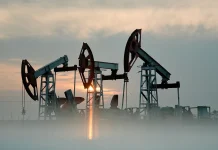
On 9 October, the US President announced that Russia would supply over 300,000 tonnes of diesel fuel to the US and global markets. Washington has temporarily eased sanctions restrictions to facilitate these transactions.
Trump explains his decision by citing the need to curb rising fuel prices in the US. However, Applebaum points out that the volumes of Russian supplies on offer are too small to have a significant impact on the US market.
According to analysts’ estimates, the additional Russian supplies are not sufficient to quickly resolve the diesel shortage caused by widespread disruptions in the global energy market.
The Atlantic has highlighted the business interests of Trump’s inner circle in Russia
One of the most contentious aspects of the column was the question of the possible influence of economic interests on the White House’s foreign policy.
Applbaum referred to a report in *The New York Times* concerning negotiations over the assets of the Russian oil company Lukoil. According to the publication, the potential multi-billion deal involves the acquisition of part of the company’s international assets by a consortium of investors, including entities linked to business partners of the American negotiators.
According to media reports, representatives of the US administration took part in the negotiations concerning Russian energy assets Steve Witkoff and Jared Kushner.
Appelbaum suggests that the prospect of major economic agreements with Russia may influence Washington’s diplomatic decisions. At the same time, no evidence has been made public to suggest that Witkoff or Kushner stood to gain personally from these negotiations. Nor is there any confirmation that potential commercial deals directly influenced Trump’s decisions regarding Ukraine.
Russia is securing concessions, but is not halting its attacks on Ukraine
The situation was complicated by Donald Trump’s announcement energy truce between Ukraine and Russia on 11 October. The US President stated that both sides had agreed to an immediate cessation of hostilities.
However Volodymyr Zelenskyy He said that Kyiv was awaiting specific details of the agreement, whilst Russian troops continued to attack Ukraine’s energy infrastructure.
On 12 October, the Kremlin did not confirm its final agreement to the proposed cessation of strikes.
According to Applebaum, it is precisely this imbalance that poses the main danger of the new US policy: Washington is demanding that Ukraine restrict its military operations, whilst at the same time easing sanctions on Russia. At the same time, the Russian side has not made any binding commitments to end the war.
Such an approach could strengthen Moscow’s negotiating position and weaken Ukraine’s ability to defend its own interests.
Europe remains an important pillar of support for Ukraine
The column in *The Atlantic* also emphasises the need for closer cooperation between European countries to support Ukraine.
Applboom points out that France, Germany, Poland, the Nordic countries and other partners continue to provide military, financial and intelligence support. A possible reduction in US support poses additional challenges for European allies.
The issue concerns, first and foremost, the supply of modern weaponry, air defence systems and the exchange of intelligence.
In the author’s view, Washington’s latest decisions highlight the need for European states to strengthen their own defence capabilities and reduce their dependence on the political decisions of the US administration.
Thus, *The Atlantic* views Trump’s actions not as an isolated dispute over diesel fuel, but as a possible shift in US policy towards making concessions to Russia at Ukraine’s expense. This is the author’s conclusion, based on recent decisions by the White House and reports of negotiations.