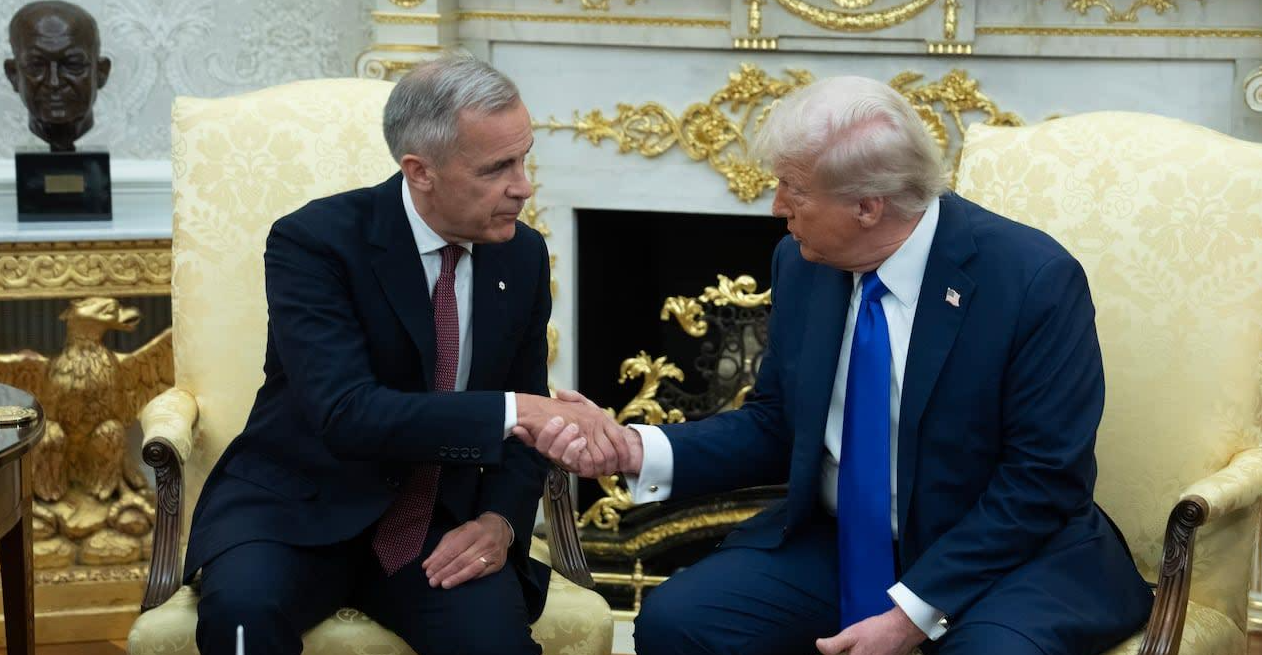
Canada and the United States have made progress in negotiations on a new trade agreement, but no final agreement has yet been reached. This was stated on 14 November by Canadian Prime Minister Mark Carney following a lengthy telephone conversation with US President Donald Trump and representatives of his administration. At the same time, the Canadian Prime Minister emphasised that Ottawa would not agree to terms that could harm the national automotive industry. During his speech, he also reaffirmed his support for NATO and stated that Russia would not determine Europe’s future security framework.
- Carney reported on progress in trade negotiations with the US.
- No final agreement has yet been reached between Washington and Ottawa.
- Canada is rejecting conditions that threaten its automotive industry.
- Carney stated that Europe’s security would be determined by NATO and European states.
Carney spoke of a lengthy conversation with Trump
During a press conference in Manila, where the Canadian Prime Minister is currently visiting ahead of the Association of Southeast Asian Nations (ASEAN) summit, Mark Carney outlined the details of the latest talks with Washington.
According to him, before leaving for Asia, he had a lengthy and in-depth telephone conversation with Donald Trump. US Trade Representative Jamison Greer and White House Chief of Staff Stephen Miller also joined the discussion.
«We are making progress. There is a possibility of concluding a bilateral agreement, but we have not yet reached that stage,» said Carney.
Trade negotiations between the two countries broke down in August due to additional US demands, which the Canadian government deemed unacceptable. Washington subsequently imposed new tariffs on Canadian goods, and Ottawa responded with its own tariff restrictions.
Canada will not agree to a deal that would harm the automotive industry
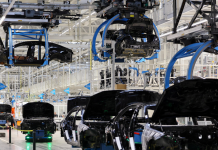
One of the main obstacles remains the future of the Canadian automotive industry. This sector is closely linked to US manufacturers, so changes to customs regulations have a direct impact on businesses in both countries.
Carney emphasised that his government would not sign any agreements that would weaken the position of Canadian car manufacturers.
A potential deal could also involve a reduction in tariffs on steel and aluminium. Trump had previously stated that the parties were close to reaching an agreement, whilst the Canadian Prime Minister emphasised the need to agree on all the key provisions.
At the same time, Ottawa is expanding its trade links with other regions. In particular, Canada has announced that negotiations on a free trade agreement with ASEAN and separate negotiations with the Philippines have been substantially concluded. The relevant agreements are expected to be signed in 2027.
Carney stated that Russia would not determine Europe’s security system
In addition to trade issues, the Canadian Prime Minister commented on the discussions regarding the future architecture of European security against the backdrop of negotiations to end the war in Ukraine.
Carney emphasised that Canada would not renege on its commitments to NATO. He said that the future security framework for a free Europe should be determined by the European states themselves, in conjunction with the North Atlantic Alliance, and not by Russia.
This stance was voiced against the backdrop of Russian demands to review NATO’s military presence in Eastern Europe. Earlier, European leaders, notably Polish Prime Minister Donald Tusk, had also ruled out the possibility of making such concessions to Moscow.