US President Donald Trump has announced that a trade deal with Canada is imminent, which is set to resolve the months-long tariff dispute between the two countries. Meanwhile, Canadian Prime Minister Mark Carney has said that negotiations are not yet complete, although Washington has already dropped some of its previous demands. In particular, the US is no longer insisting on the right to scrutinise Canada’s trade agreements with other countries.
- Trump announced that a trade agreement between the US and Canada was imminent.
- Canadian Prime Minister Carney confirmed that progress had been made, but the negotiations are not yet complete.
- Washington has dropped its demand to oversee Canada’s trade agreements with other countries.
- Countries are discussing the easing of tariffs on steel and automotive products.
- The exact date on which the agreement will be signed and the final tariff rates have not yet been announced.
Trump said that the trade deal would be signed in the near future
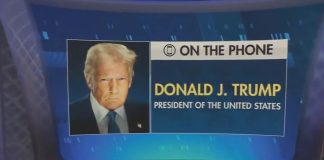
In an interview with Fox News on 3 November, the US President expressed his confidence that Washington and Ottawa would soon reach an agreement.
«Canada is a very good country. We will be signing an agreement with it very soon. It will be a brilliant agreement,» said Trump.
He made these remarks following a telephone conversation with the Canadian Prime Minister Mark Carney, which took place on 1 November.
Both politicians confirmed that they had discussed the forthcoming trade agreement. Trump He had previously pointed out that it should be beneficial, in particular, to American farmers.
According to Carney, following the conversation, the negotiating teams from the two countries stepped up their efforts to agree on the terms.
The US has dropped its demand to oversee Canada’s trade agreements
The most significant outcome of the recent consultations was a change in Washington’s stance on Canadian trade sovereignty.
Previously, the US had insisted on a mechanism that would allow the American side to have a decisive influence on Canada’s conclusion of trade agreements with other countries.
Carney stated that this demand had been removed from the negotiating agenda. According to him, the US side is also no longer raising certain issues relating to language, culture and Canada’s sovereignty.
During a press conference following the Commonwealth of Nations summit in Antigua and Barbuda, the Canadian Prime Minister noted that the positions of the parties had grown closer.
«We have made progress, but we haven’t finished the job yet. They are asking for less and offering more, but we haven’t reached an agreement yet,» explained Carney.
He confirmed that there are still important issues that require further agreement, but did not specify what these were.
The trade war between the US and Canada has been going on for several months
Relations between North America’s two largest trading partners have become strained following the Trump administration’s introduction of new import duties.
The restrictions apply, in particular, to Canadian steel, aluminium and automotive products. Ottawa has responded by imposing its own tariffs on US goods.
In August, negotiations on easing trade barriers broke down just as they were drawing to a close, after which the tariff dispute intensified.
At the end of October, Reuters reported that the parties were working on an agreement that could involve a reduction in tariffs on steel and cars.
For Canada, these issues are of particular importance due to the close integration of its automotive industry with that of the United States. The production chains of both countries are interlinked, and components may cross the border several times before the vehicle is fully assembled.
High tariffs increase producers’ costs and put additional pressure on consumer prices.
When might the US and Canada reach an agreement?
This new phase of negotiations comes after several months of unsuccessful attempts to resolve trade disputes.
Trump is expressing confidence that the agreement will be signed soon, whilst Carney is emphasising the need to finalise its terms.
According to The Canadian Press, the Canadian Prime Minister confirmed that the talks were moving into a more intensive phase, but did not say when Ottawa’s chief negotiator would return to Washington.
The parties have also not announced which specific duty rates may change or when the new rules will come into force.
Whilst negotiations are ongoing, the current trade restrictions remain in place. As of the morning of 4 November, there has been no official announcement regarding the signing of a new agreement between the US and Canada.