The European Union is preparing to step up sanctions pressure on Russia by imposing over a hundred new restrictions on banks, energy companies and vessels in the shadow fleet. According to Bloomberg, the decision is due to be considered on 16 November at a meeting of EU foreign ministers in Brussels. The new measures will be a response not only to Russian aggression against Ukraine, but also to the rise in hybrid attacks across European countries.
- The European Union is preparing more than 100 new sanctions against Russia.
- Sanctions could be imposed on 50 banks, energy companies and tankers.
- The decision is due to be approved on 16 November at a meeting of EU ministers.
- Separately, Brussels is working on the 22nd package of anti-Russian sanctions.
The European Union is extending sanctions against Russian banks and oil companies
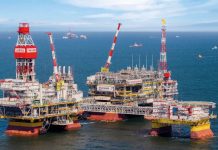
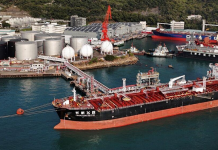
The new restrictions will target the Russian financial sector, energy companies and tankers used to transport oil in circumvention of international sanctions.
Earlier, the ambassadors of the EU countries had already 145 sanctions listings were approved, in particular 50 Russian banks. Companies linked to the shadow fleet and representatives of Russian business are also cited as potential targets.
European Commissioner for Financial Services Maria Luís Albuquerque confirmed that on 16 November, foreign ministers are due to approve additional sanctions lists targeting Russian oil refineries and entities supporting the shadow fleet.
The new restrictions were introduced in response to Russia’s hybrid attacks
According to Bloomberg, citing informed sources, the EU is linking the tightening of sanctions to a series of hybrid operations for which European states hold Moscow responsible. These include cyberattacks, arson attacks and an attempted drone attack on Leipzig Airport/Halle in Germany.
Some of the new sanctions are to be imposed under a specific regime designed to counter Russian hybrid activities. The restrictions will target individuals and organisations involved in information manipulation, disinformation and cyber-attacks.
Moscow denies any involvement in acts of sabotage and hybrid operations on the territory of European states.
The EU is simultaneously preparing its 22nd package of sanctions against Russia
In addition to the decision scheduled for 16 November, the European Commission and the European External Action Service are working on a separate, The 22nd package of sanctions against the Russian Federation.
According to diplomatic sources, it may impose further restrictions on Russian banks, cryptocurrency platforms and schemes designed to circumvent existing sanctions via third countries.
The new package is currently being drawn up. It should not be confused with the sanctions lists that EU foreign ministers plan to approve on 16 November.