Eating smaller portions, exercising regularly and cutting out high-calorie foods do not always lead to steady weight loss. After losing the first few kilograms, weight loss may stall for several weeks, even if a person continues to follow their usual diet. This phenomenon is known as a weight-loss plateau. It is linked to changes in the body’s energy requirements, physical activity, appetite and water balance.
- A weight-loss plateau is the body’s natural response to a reduction in body weight.
- Fluid retention may temporarily mask an actual reduction in fat stores.
- Lack of sleep, stress and a sedentary lifestyle can slow down weight loss.
- Gradual dietary adjustments and regular physical activity can help you break through a plateau.
What is a weight-loss plateau and why does it occur?
At the start of weight loss, the body uses not only fat reserves but also glycogen — a stored form of carbohydrates found mainly in the liver and muscles. The release of glycogen is accompanied by water loss, which is why weight often drops particularly quickly in the first few weeks of a diet.
Over time, the rate of weight loss slows down. The body becomes lighter and requires less energy to sustain vital functions and carry out everyday tasks. The calorie deficit that previously drove the results gradually decreases.
That is why a balanced diet and gradually changing one’s daily habits are more important for long-term results than short-term, strict diets.
The body starts to burn fewer calories
When losing weight, your total daily energy expenditure changes. The body requires fewer calories to maintain the functioning of internal organs, to move around and to carry out other physical activities.
For example, at the start of their weight-loss journey, a person was burning around 2,200 kcal a day and consuming 1,900 kcal. The initial deficit was 300 kcal.
Following a reduction in body weight and daily activity levels, daily energy expenditure may fall to 1,950 kcal. With no change to the diet, the deficit will then be just 50 kcal.
This is a hypothetical example that explains why the same diet can produce different results at different stages of weight loss.
Hidden calories and dietary mistakes
Even healthy foods can be high in calories. Nuts, avocados, cheese, olive oil and dried fruit are highly nutritious, but portion sizes are also important.
The following are often sources of unaccounted-for calories:
-
Salad dressings and sauces.
-
Coffee with milk, sugar or syrups.
-
Sweet drinks and alcohol.
-
Small snacks between meals.
-
Excessive portions of nuts and dried fruit.
-
Oil used in cooking.
What you eat at the weekend is also important. A few high-calorie meals can significantly reduce the deficit built up over the working week.
Water retention can mask actual weight loss
The figure on the scales reflects your total body weight, not just your body fat. It is influenced by the amount of fluid in your body, your glycogen stores and the contents of your digestive system.
Temporary fluctuations in weight can be caused by an excess of salt in the diet, intense exercise, changes in carbohydrate intake and the menstrual cycle.
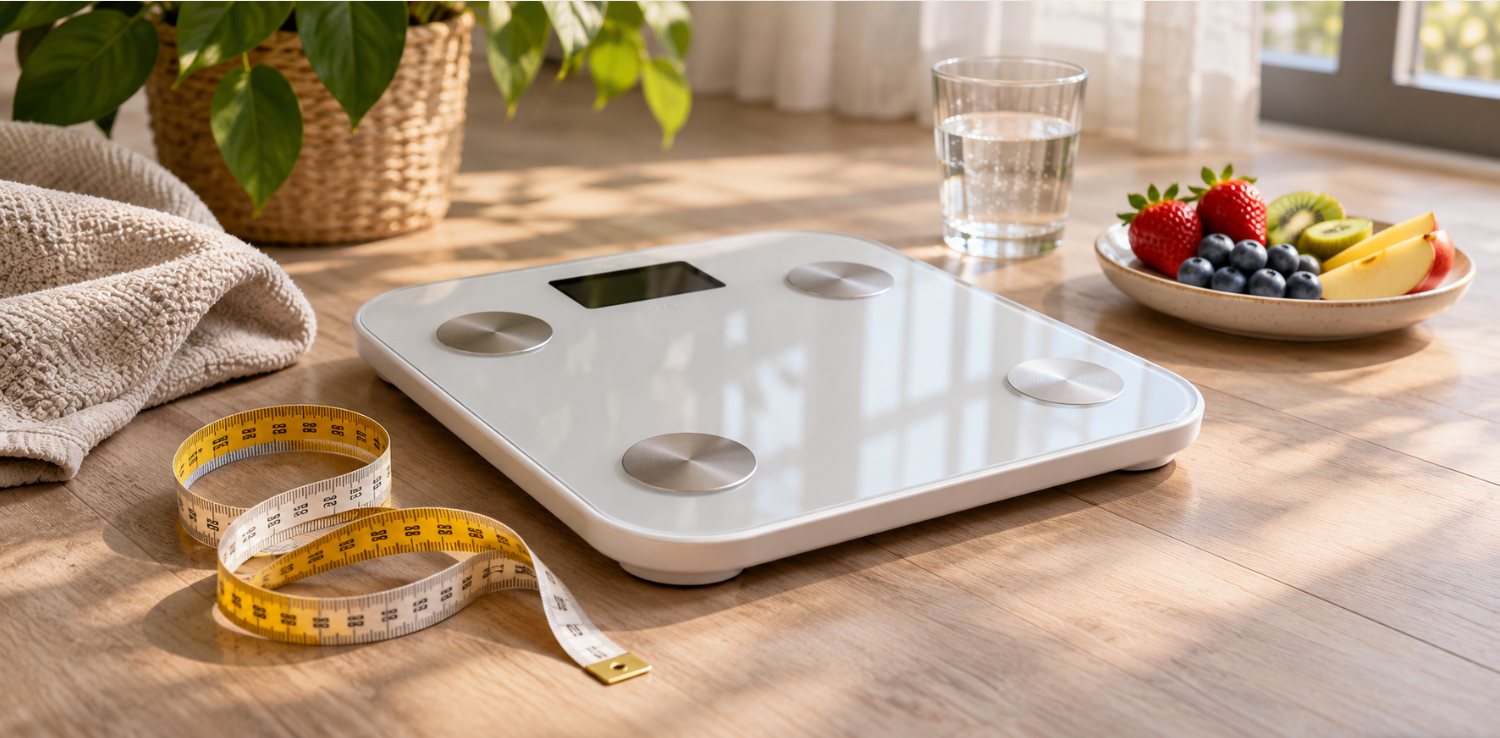
A person may gradually lose body fat but not notice any change on the scales due to fluid retention. It is therefore incorrect to judge the effectiveness of weight loss solely on the basis of daily weigh-ins.
More informative indicators include the average weight over 7–14 days, waist circumference and long-term trends in body weight.
Insufficient protein intake and muscle loss
When calorie intake is significantly restricted, the body may lose not only fat but also muscle tissue. This is undesirable, as muscles play an important role in maintaining physical performance and energy metabolism.
A sufficient amount of protein in your diet helps you feel fuller for longer and maintain muscle mass, particularly when combined with strength training.
Sources of protein can include:
-
Fish and lean meat.
-
Eggs.
-
Fermented milk products.
-
Beans, lentils and chickpeas.
-
Tofu and other soya products.
Protein requirements depend on age, physical activity and general health. If you have kidney disease, you should discuss your protein intake with your doctor.
Lack of physical activity outside of training sessions
Even regular visits to the gym do not guarantee a high daily energy expenditure. During a prolonged weight-loss programme, a person may unconsciously move less, sit more often and take fewer walks.
These changes relate to what is known as non-exercise physical activity — the energy the body expends whilst walking, doing household chores, working and carrying out other everyday activities.
You can increase your overall energy consumption by adopting a few simple habits:
-
Regular walks.
-
Using the stairs instead of the lift.
-
Active breaks during work.
-
Walking short distances instead of travelling by car.
For most healthy adults, at least 150 minutes of moderate physical activity per week and strength training twice a week are recommended.
How sleep and stress affect weight loss
Chronic sleep deprivation can make it harder to control your appetite, increase cravings for high-calorie foods and reduce your desire to take part in physical activity.
A study published in *JAMA Internal Medicine* involved 80 overweight adults who regularly did not get enough sleep. After increasing their sleep duration, the participants consumed, on average, approximately 270 kcal less per day over a two-week period compared with the control group.
This suggests that a good night’s sleep may help to control food intake.
Another contributing factor is chronic stress, which can affect eating behaviour and lead to emotional overeating. For most adults, seven to nine hours’ sleep is considered optimal.
How to break through a weight-loss plateau without strict diets
If your average body weight does not decrease over the course of several weeks, it is worth reviewing your usual diet and exercise routine.
-
Check the actual calorie content of your diet and your portion sizes.
-
Calculate your energy requirements based on your current weight.
-
Increase your daily physical activity.
-
Combine strength training with walking or other aerobic exercise.
-
Make sure your diet includes plenty of protein, vegetables and fibre-rich foods.
-
Establish a regular sleep and rest routine.
-
Keep track not only of your weight, but also of your body measurements.
You should not drastically cut the calorie intake in your diet, take diuretics or so-called fat burners. Such methods may create the illusion of quick results without ensuring a lasting reduction in body fat.
If you see no results for a prolonged period, or if you experience swelling, severe fatigue or other symptoms, you should consult a doctor. Certain medical conditions and the use of medication may also affect your body weight.
Academic sources: The NIDDK, the CDC, the Mayo Clinic, a study published in *JAMA Internal Medicine* and a 2026 scientific review by the International Society of Sports Nutrition.