Iran has launched further strikes against US military installations in the Persian Gulf amid an escalating standoff with the United States. On Wednesday, 18 November, Tehran announced an attack on the Ali al-Salem airbase in Kuwait, whilst the Bahraini authorities reported that Iranian aerial targets had been intercepted. This new wave of attacks followed a US strike on Iran’s missile infrastructure on the island of Qeshm.
Key points at a glance:
- Iran has claimed to have carried out an attack on US military installations in Kuwait.
- Bahrain has reported intercepting aerial targets for the third time this week.
- The US attacked an Iranian missile site on the island of Qeshm yesterday.
- The escalation of hostilities is complicating diplomatic negotiations aimed at ending the conflict.
Iran has resumed strikes on military targets in Kuwait
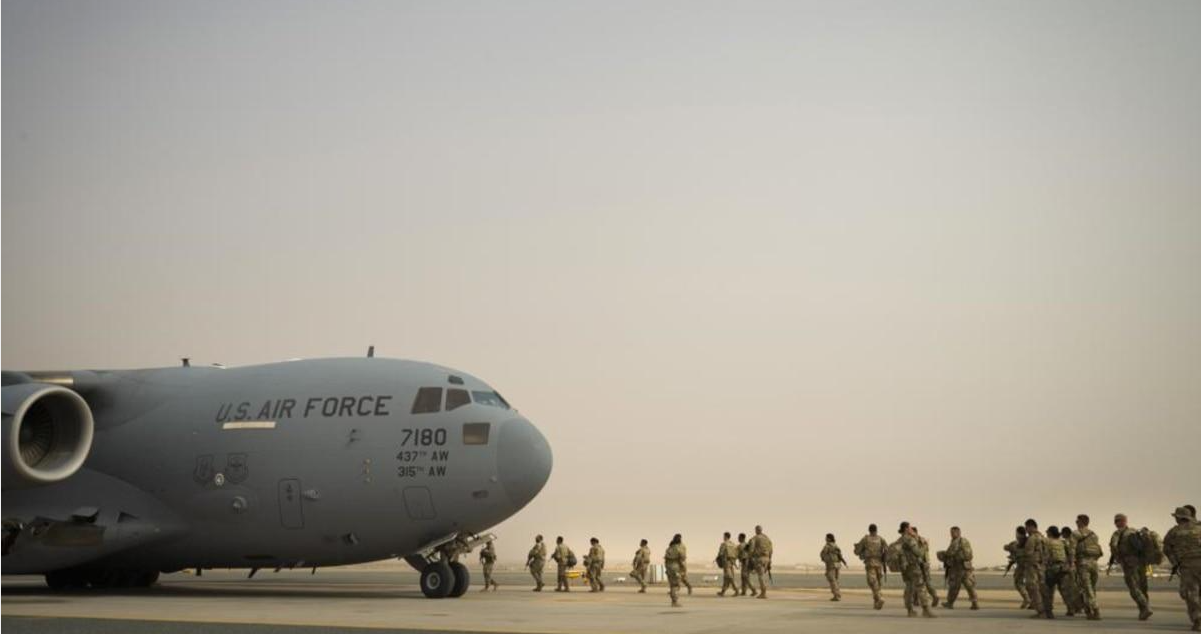
According to reports in the Iranian state media, the country’s armed forces have attacked the Ali al-Salem airbase, which is used by the US military. Tehran claims that the strike targeted air defence systems, as well as facilities used to launch drones and missiles.
The new attack was the latest in a series of strikes following another US attack the Iranian island of Qeshm in the Strait of Hormuz.
Kuwait has confirmed that its air defence units repelled an attack by enemy drones. However, there is currently no independent confirmation of the destruction of US military equipment, as claimed by Tehran.
This is the first Iranian strike on Kuwaiti territory since September. The country’s Ministry of Foreign Affairs has condemned the attack, emphasising that violations of its sovereignty and threats to national security are unacceptable.
The US and Iran are exchanging blows in the Persian Gulf
The day before, a US fighter jet struck a missile launch site belonging to the Islamic Revolutionary Guard Corps on the island of Qeshm. According to the US military, the operation was in response to an Iranian attack on US radar equipment in Bahrain.
Qeshm Island is situated near the Strait of Hormuz and is of strategic importance for control of the region’s sea lanes.
Bahrain, which hosts the headquarters of the US Navy’s Fifth Fleet, announced on Wednesday that it had repelled yet another Iranian attack. This is the third such incident this week.
The escalation threatens the negotiations to end the war
The latest attacks come against the backdrop of a military conflict that has lasted almost nine months, having begun on 28 February 2026 following a US-Israeli operation against Iran.
Despite Qatar’s diplomatic efforts, the parties have not yet managed to reach a final agreement on ending the conflict. Washington continues to exert military and economic pressure on Tehran, whilst Iran is carrying out attacks on US targets and posing threats to shipping in the region.
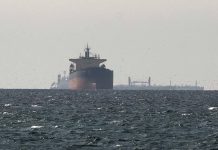
The tensions are also affecting the safety of oil shipments. On Wednesday, the UAE’s state-owned oil company ADNOC reported that, following an attack on one of its tankers in the Strait of Hormuz the previous day, 11 crew members had been injured and one was still missing.