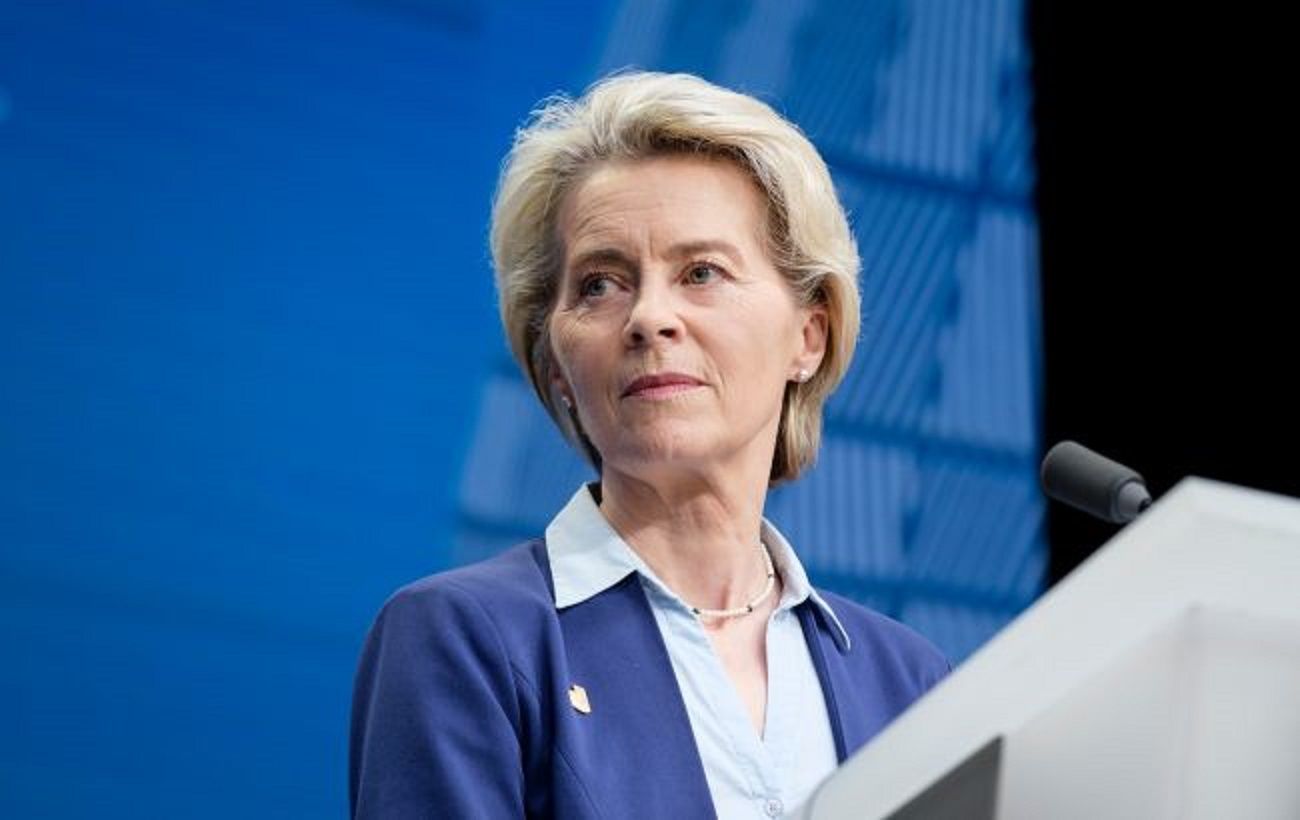
The European Union has set out the key criteria by which it will assess Russia’s readiness for a genuine peaceful settlement — namely, an energy truce for the whole winter and the guarantee of free passage for ships through the Black Sea to Ukrainian ports. This was announced on 25 November by the President of the European Commission, Ursula von der Leyen, during a speech at the European Parliament in Strasbourg. She also confirmed that Europe would join the next round of negotiations whilst stepping up financial support for Kyiv and increasing the pressure of sanctions on Moscow.
- The EU is calling on Russia to agree to an energy truce for the whole winter as a test of the sincerity of its intentions.
- Another condition concerns the unimpeded passage of vessels through the Black Sea to Ukrainian ports.
- Ursula von der Leyen confirmed that the European side will take part in the next round of talks with Russia.
- Brussels is simultaneously preparing the 22nd package of sanctions and a further €45 billion in support for Ukraine for 2027.
What steps does the EU expect Russia to take?
Speaking to MEPs in Strasbourg, Ursula von der Leyen She emphasised that Brussels would not rely on the Kremlin’s declarations. The President of the European Commission recalled the agreements discussed last week by members of the «Coalition of the Willing» in Berlin, and clearly outlined the European Union’s position:
«We will judge progress by Russia’s actions, not simply by its words,» von der Leyen emphasised.
This primarily concerns a halt to attacks on Ukraine’s energy infrastructure throughout the winter, as well as ensuring the safety of commercial shipping in the Black Sea. It is expected that these demands will form part of the agenda following involving Europe in the negotiations, which had previously been called for in Kyiv and European capitals.
Sanctions pressure, finance and the path to the EU
The President of the European Commission gave assurances that the European Union would not ease the pressure on Moscow until a lasting and just peace, which safeguards Ukraine’s sovereignty, is achieved. She listed the following as key areas of support for Kyiv in the near future:
New sanctions: The European Commission has already proposed a 22nd package of sanctions against Russia, as the previous measures are having a significant negative impact on the Russian economy.
Financial assistance: Brussels is preparing a proposal to grant Ukraine an additional €45 billion in loans to cover defence and budgetary needs in 2027.
European integration: The EU is moving towards launch of negotiation clusters, with a view to launching the final two clusters of accession negotiations with Ukraine before the end of this year.
According to von der Leyen, the future peace agreement must not only bring an end to hostilities, but also provide Ukraine with long-term security guarantees and ensure Europe plays a leading role in post-war reconstruction.