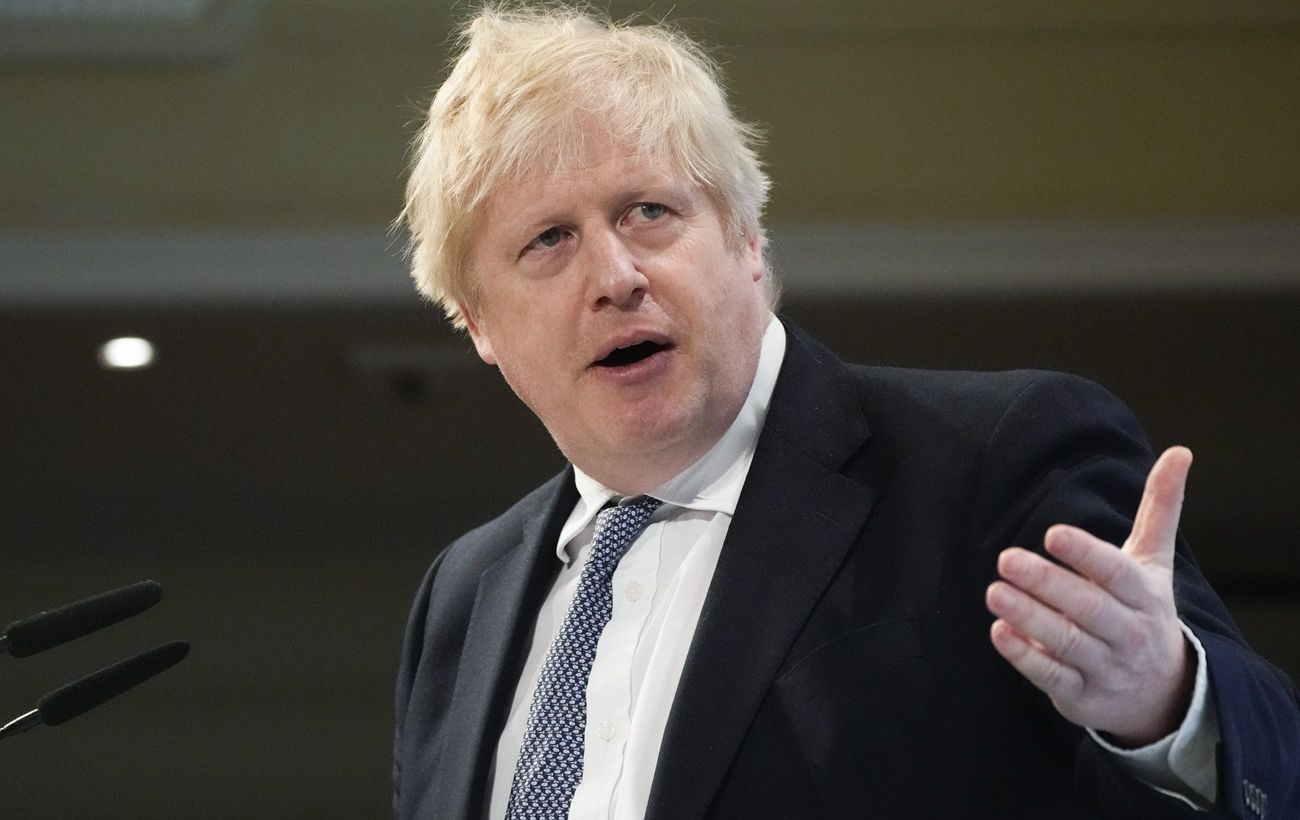
Former British Prime Minister Boris Johnson has called on European countries to send their military units to Ukraine even before a peace agreement is signed with Russia. In his view, such a move should not depend on the Kremlin’s consent and would send a clear signal to Moscow. The initiative came against the backdrop of discussions on the post-war security arrangements for Kyiv and has already provoked a sharp reaction from the Russian leadership.
- Boris Johnson has called on European allies to send troops to Ukraine until a ceasefire is in place.
- The politician proposes to deploy units from the «Coalition of Volunteers» to carry out logistical tasks.
- The former British Prime Minister also called for Ukraine to be provided with additional Patriot systems, satellite data and frozen Russian assets.
- The Kremlin criticised Johnson’s statement, speaking out against any foreign military presence in Ukraine.
What exactly did Boris Johnson propose?
Speaking on Sky News, the British politician noted that European troops from the «Coalition of the Willing» could arrive in Ukraine right now — without waiting for an official ceasefire. According to the plan Johnson's, the foreign contingent would not take part in frontline combat, but would focus on carrying out rear-area tasks.
In addition to deploying a military mission, the former prime minister outlined a series of measures to strengthen Ukraine’s defence capabilities:
to supply Kyiv with additional Patriot air defence systems and to expand the exchange of satellite data;
step up the fight against Russia’s «shadow fleet»;
to channel frozen Russian assets, including proceeds from the sale of Chelsea Football Club, towards supporting Ukraine;
to clearly confirm the prospect of Ukraine’s future membership of NATO.
According to Johnson, it was precisely the West’s failure to take a firm stance on Ukraine’s Euro-Atlantic integration that, at the time, encouraged Russia to launch a large-scale aggression.
The context of the negotiations and Moscow’s reaction
The statement by the British politician came at a time of intensive consultations between Kyiv, Washington and European capitals regarding the future security guarantees for Ukraine. Whilst the US side rules out the establishment of its own bases and favours political commitments along the lines of Article 5 of the NATO Treaty, some European leaders are, at the same time, discussing the conditions for deploying a multinational contingent following a ceasefire.
At the same time, Johnson’s proposal was met with an extremely negative reaction in Moscow: Kremlin spokesperson Dmitry Peskov and Deputy Chairman of the Russian Security Council Dmitry Medvedev launched yet another wave of criticism and threats directed at London. The debate itself over Europe’s readiness to take tougher measures is continuing against a backdrop of calls from NATO leadership for a systematic NATO countries’ preparations to potential security challenges.