Impact of IT technologies on the course of the war
Modern warfare is less and less about the number of tanks or artillery - and more and more about technological superiority. Ukraine became the first battlefield where artificial intelligence, drones and IT solutions have become key elements of defence. At the same time, these changes have profound implications for the entire global security system.
Technology as a new weapon
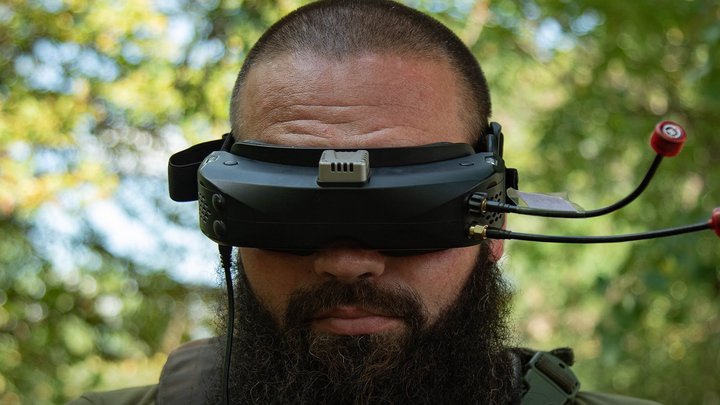
Ten years ago, drones were perceived as an auxiliary tool. Today, they are main striking force. Ukrainian FPV drones developed by civilian startups have become a symbol of flexibility and digital warfare.
In parallel, they are working Target recognition systems based on artificial intelligence, that analyse images from satellites, drones and cameras in real time. This integration of IT and intelligence creates a new level of decision-making speed, unattainable in previous wars.
Cyberfront: a quiet but large-scale war
Cyberattacks have become a full-fledged front. Every day, Ukrainian and international cyber defence teams repel dozens of attempts to hack into critical infrastructure, such as energy systems, banks, and transport networks.
Russia uses Hacker groups as part of military strategy, targeting government services, the media and the energy sector. In response, Ukraine has created a powerful community of cyber specialists - the «IT army», which became a unique example of digital mobilisation.
Artificial intelligence and autonomous weapons
Systems that can Set goals independently, The development of unmanned aerial vehicles raises serious ethical and legal controversies. Leading military laboratories in the United States, China and Israel are already testing drones that can operate without human intervention.
Analysts warn that loss of human control over the decision-making process can lead to mistakes with catastrophic consequences - from «friendly fire» to conflict escalation.
Impact on global security
The technological revolution in the military sphere is changing balance of power between states.
-
Countries with developed IT infrastructure have a strategic advantage.
-
Smaller states like Ukraine demonstrate that Innovation can compensate for a lack of resources.
-
At the same time, the arms race in the field of AI and cyberspace threatens to a new form of global instability.
The UN and NATO are already developing basic principles for controlling the use of AI in warfare, but There is no universal international regulation yet.
Ukraine as a technological testing ground and future security laboratory
The Ukrainian experience is a global precedent. The combination of drones, satellite data, AI analytics and cyber defence has created a new model of hybrid defence.
After the war, these developments could become the basis of a new collective security architecture, It is recognised by NATO, the EU and allied countries.
Conclusion:
IT technologies have made war digital and information a weapon. Now victory is determined not only by the number of shells, but also by data processing speed, innovation and artificial intelligence. In this new world, Ukraine is already one of the most important technological players.