The global energy sector is facing the biggest shock in its modern history due to the war over Iran. According to the International Energy Agency (IEA), the current crisis is already larger than all previous energy shocks, including the 1973 oil embargo and the Iranian revolution.
The scale of the crisis: record supply losses
The current conflict has resulted in the loss of over 12 million barrels of oil per day, which is approximately 11.5% of global demand.
This is significantly more than during key crises in the past:
- 1973-1974 (Arab embargo): ~4.5 mb/d
- 1978-1979 (Iranian revolution): ~5.6 million barrels/day
- 1991 (Gulf War): ~4.3 mb/d
Thus, in terms of daily losses, it is the biggest energy shock in history.
Not just oil: a blow to the entire energy system
Unlike previous crises, the current conflict has hit several segments simultaneously:
- oil production
- natural gas supply
- fuel production (diesel, jet fuel)
- global logistics routes
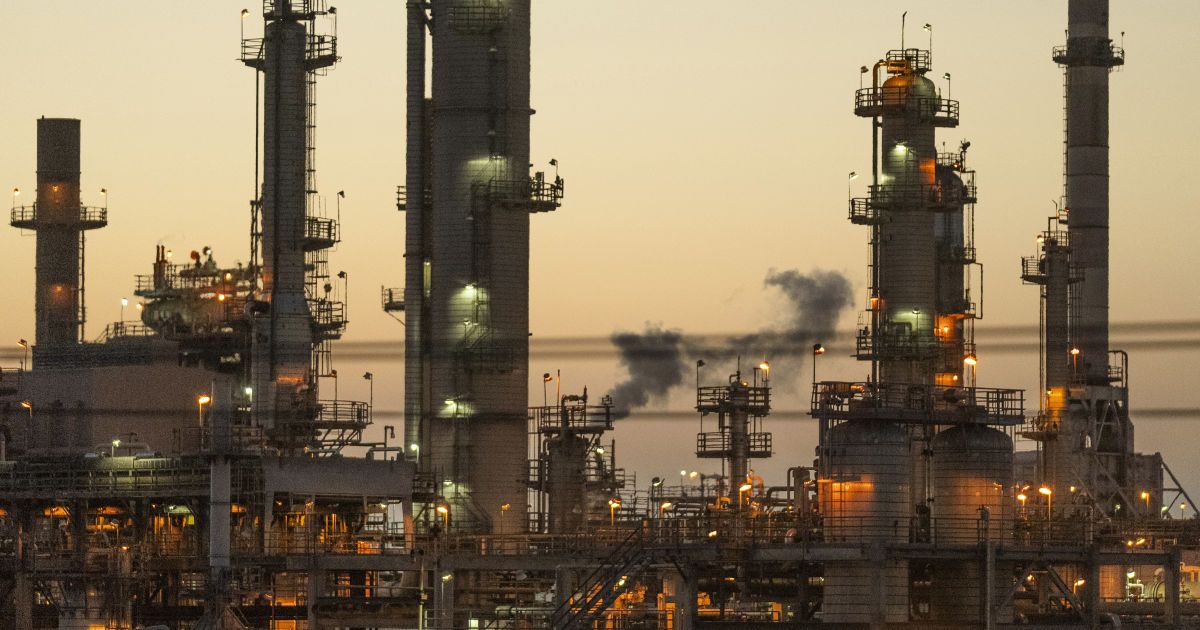
In particular, the shutdown of some production in the Persian Gulf has led to a shortage of diesel and jet fuel, which is already affecting transport and industry in Europe, Asia and Africa.
A separate factor was blockade of the Strait of Hormuz - a key route through which about a fifth of the world's oil and LNG supplies.
Duration and cumulative effect
As of now, the war has been going on for more than 50 days, and during this time the world has already lost about over 600 million barrels of oil.
Analysts warn:
- even after the end of hostilities, the resumption of supplies will take months
- The gas market may feel the effects for years
This means that The cumulative effect of the crisis has not even peaked yet.
Comparison with past crises
While the current shock is the largest in terms of daily losses, some historical crises have had a longer-lasting impact. For example, the Iranian Revolution of 1979 caused greater total losses due to its duration.
However, the key difference today is Deeper globalisation of the energy market:
- greater dependence of economies on imports
- greater use of gas
- Integration of fuel markets
This makes the current crisis more systemic and dangerous for the global economy.
Implications for the global economy
The energy shock is already leading to:
- rising fuel prices
- the risk of a global recession
- disruptions in industry and logistics
Analysts note that about 20% of the world's energy supplies are under threat, This significantly increases economic risks.
Context.
The crisis is unfolding against a backdrop of consequences that have not yet been fully overcome:
- energy crisis after Russia's invasion of Ukraine
- Increased energy demand after the pandemic
It was the combination of these factors that led the IEA to call the situation the biggest energy crisis in history.
Conclusion.
The world has entered a new phase of energy instability. The ongoing war over Iran has not only surpassed the historical oil crises in terms of scale, but has also revealed new vulnerabilities in the global economy.
If the conflict prolongs, the consequences could shape the development of energy markets and security policies for years to come.