As of the spring of 2026, the issue of a new large-scale Russian offensive remains one of the key security challenges for Ukraine and the whole of Europe. Against the backdrop of a protracted war, depletion of resources and changes in combat tactics, analysts are assessing whether Russia is able to launch an active offensive in the summer.
Resources of Russia: Human factor and mobilisation
Russia continues to rely on numerical superiority. Despite its huge losses, the Kremlin retains the ability to replenish its army through covert mobilisations, The Group's financial statements are presented in the table below.
Analysts note that Russia can recruit tens of thousands of new troops every month. At the same time, the quality of training of these units remains low, which affects the effectiveness of offensive actions.
Equipment and armaments: relying on mass appeal
Under the conditions of sanctions Russia is forced to adapt its military production. Instead of modern equipment, modernised Soviet models are increasingly being used.
Key trends:
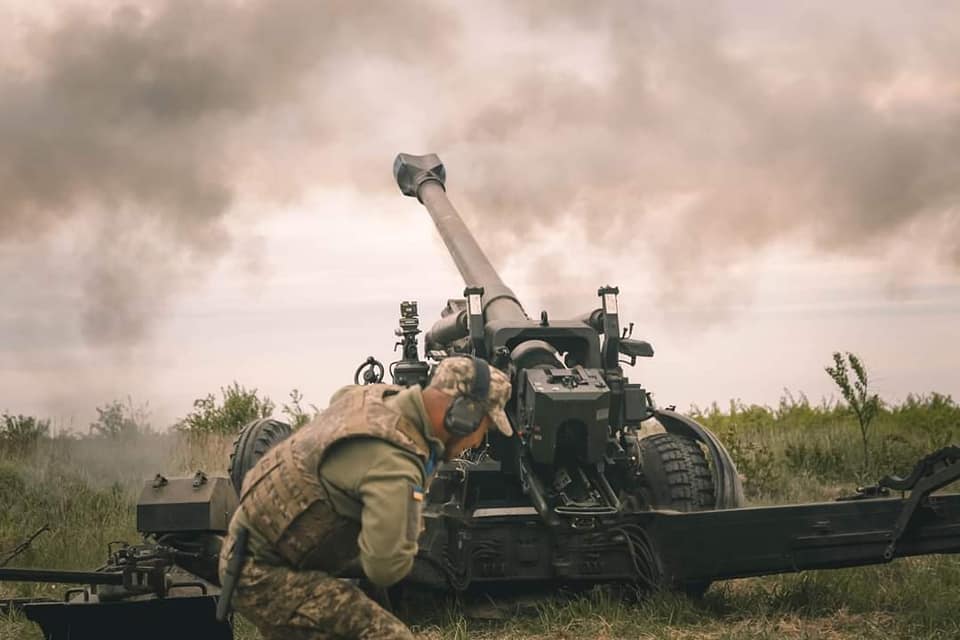
- active use of artillery as the main instrument of pressure
- massive use of drones, in particular, attack UAVs
- shortage of high-precision weapons
This means that the potential onslaught can be slow but tedious.
Tactics at the front: changing approaches
The Russian army is gradually changing its tactics. While it used to rely on quick breakthroughs, the main strategy now is to gradually deplete Ukrainian forces.
At the front, they are fixed:
- local assaults in small groups
- active use of FPV drones
- attempts to break through in certain areas
This approach allows Russia to maintain pressure without significant breakthroughs.
Russia's weaknesses
Despite its potential, Russia faces a number of systemic problems:
- large losses of personnel
- wear and tear of equipment
- logistical difficulties
- Dependence on imported components
These factors limit the possibility of a large-scale offensive.
Ukraine's role: defence and technology
Ukraine, in turn, relies on technological superiority. Massive use of drones, The development of intelligence and targeted strikes on the enemy's rear significantly complicate Russia's preparations for an offensive.
They remain key:
- artillery countermeasures
- destruction of logistics
- development of air defence
This allows us to deter even a numerically stronger enemy.
Is a major offensive possible
Experts agree that Russia is capable of conducting local offensive operations. However, a large-scale breakthrough along the entire front line seems unlikely without a significant increase in resources.
The most realistic scenario is the continuation of the tactic of gradual pressure to exhaust Ukraine.
Conclusion.
The summer campaign of 2026 could be the next stage of a war of attrition. Russia retains the potential for attacks, but is limited in its ability to make a quick breakthrough. The further course of events will depend on the resources of the parties, international support for Ukraine, and the development of military technology.