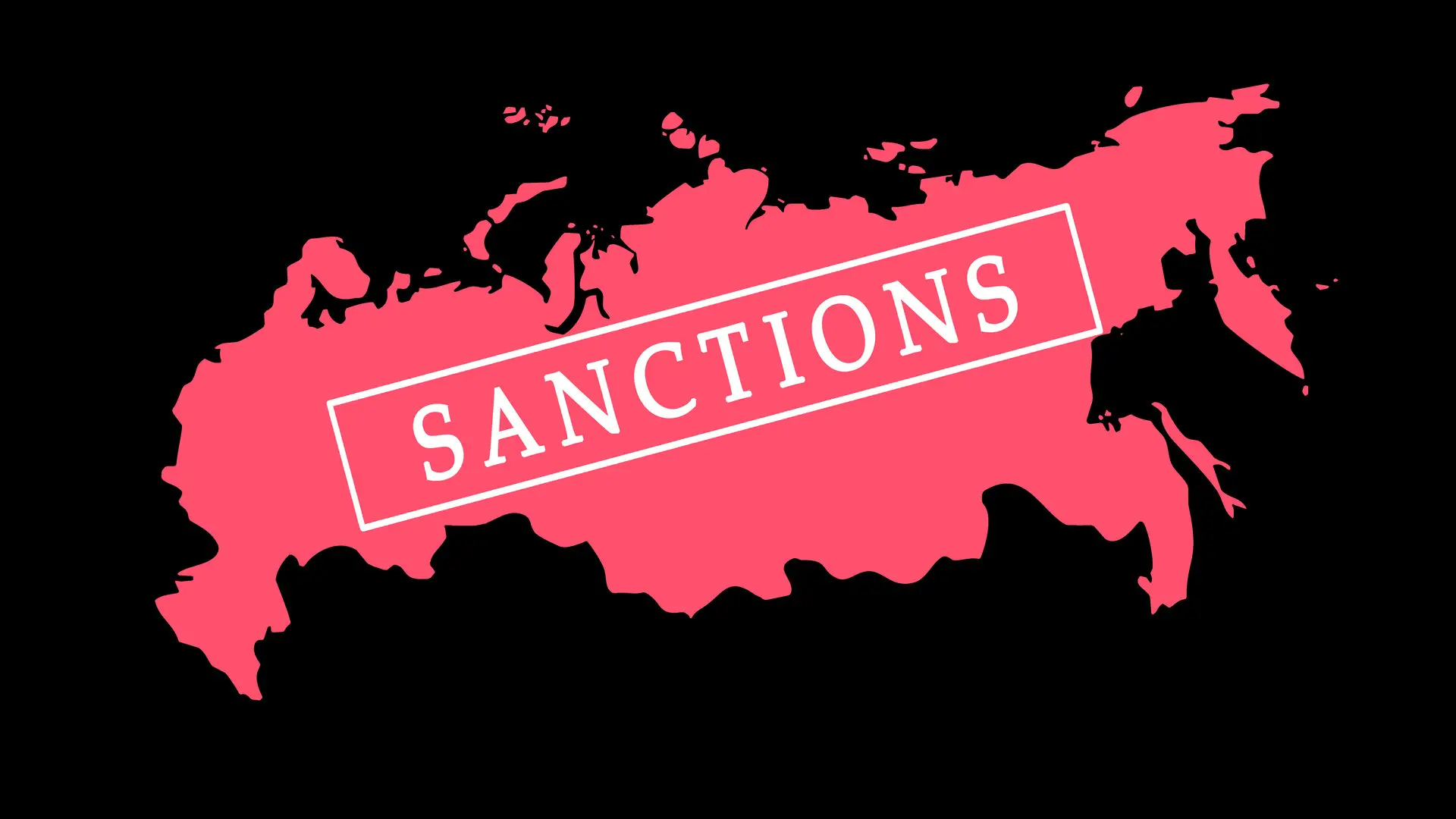
For the third day running, the European Union has been unable to agree on the 21st package of sanctions against Russia. According to Politico, the ambassadors of the member states have postponed the negotiations until at least 22 July. The main points of disagreement remain the restrictions relating to Russian liquefied natural gas and Austria’s demands regarding the situation surrounding Raiffeisen Bank International.
Briefly about the main points
- Negotiations between EU ambassadors on the package have been postponed until 22 July.
- Austria links its position to its claims against Raiffeisen.
- Greece has expressed reservations about the restrictions on Russian LNG.
- The ceiling on Russian crude oil ($44.10) has been temporarily maintained until 23 July.
- Kaya Callas stated that work on the package is ongoing.
There is no consensus on the new package
The EU’s High Representative for Foreign Affairs Kaya Kallas On 13 July, she confirmed that the Member States had not yet reached a consensus on the 21st package. According to her, the new sanctions should target the financial infrastructure of the Russian war machine.
At the same time, EU countries have agreed on more than 250 individual sanctions measures. Kallas emphasised that work on the forthcoming package is continuing, but that these decisions do not mean it has been finally adopted.
Austria is seeking a decision on Raiffeisen
Austria’s stance has proved to be one of the key obstacles. According to diplomatic sources, Vienna is pushing for the lifting of sanctions against the Russian company Rasperia, which is linked to Oleg Deripaska, and the unfreezing of its assets.
This relates to the dispute surrounding Raiffeisen Bank International. Rasperia has claims running into the billions against the RBI group, and a Russian appeal in April 2025 upheld the ruling ordering payment of approximately €2.04 billion plus interest. Austria is considering the unfreezing of Rasperia’s assets as a possible means of securing compensation for RBI.
The disagreements also relate to LNG transport
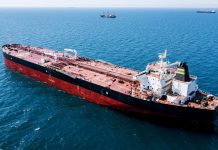
According to media reports, Greece and countries with a large maritime sector are concerned about the new rules governing the transport of Russian LNG to third countries. It is these measures, alongside the Raiffeisen issue, that have become the subject of discussions amongst Member States.
At the same time, the EU has already introduced a phased the suspension of Russian gas imports. The regulation provides for a ban on imports of Russian LNG from 25 April 2026, whilst a transition period until 1 January 2027 applies to some long-term contracts. The current disputes relate primarily to transit and possible re-export, rather than the start date of this ban.
The oil price ceiling will remain unchanged for the time being
EU countries have decided to keep the price cap on Russian oil at $44.10 per barrel for another week — until 23 July. This decision prevents the cap from rising automatically until the negotiations are concluded.
The price cap does not ban all trade in Russian oil. It restricts the ability of EU companies to provide maritime transport, insurance and other related services for oil sold at a price above the set level. The postponement of the agreement therefore does not resolve the differences, but temporarily maintains the current mechanism of restrictions.