The US Senate has officially tabled a bill that would impose tariffs of up to 500% on imports from countries that purchase Russian energy resources. The initiative has received the support of Donald Trump’s administration and is co-sponsored by both parties. China and India have already expressed their opposition to the new measures, whilst the final mechanism for applying the tariffs is still under discussion.
Briefly about the main points
- The US Senate has introduced a bill imposing a 500% duty on importers of Russian energy products.
- The document received the backing of both parties and the Trump administration.
- China condemned the initiative, whilst India announced its intention to maintain imports.
- The bill is aimed at China, India, Turkey and other major markets.
- The date of the vote in Congress has not yet been set, and the oversight procedures are still being finalised.
The essence of the bill and its sponsors
On 12 July 2026, an updated bill entitled “The Sanctioning Russia Act“. The document provides for the introduction of customs duties on imports of goods under heading 500% from countries that continue to purchase Russian energy resources — oil, gas, uranium and others. The initiative was put forward by a Republican senator Lindsay Graham, known for his support for Ukraine. The bill was co-sponsored by Democratic Senators Robert Menendez and Jean Shaheen, securing it bipartisan support.
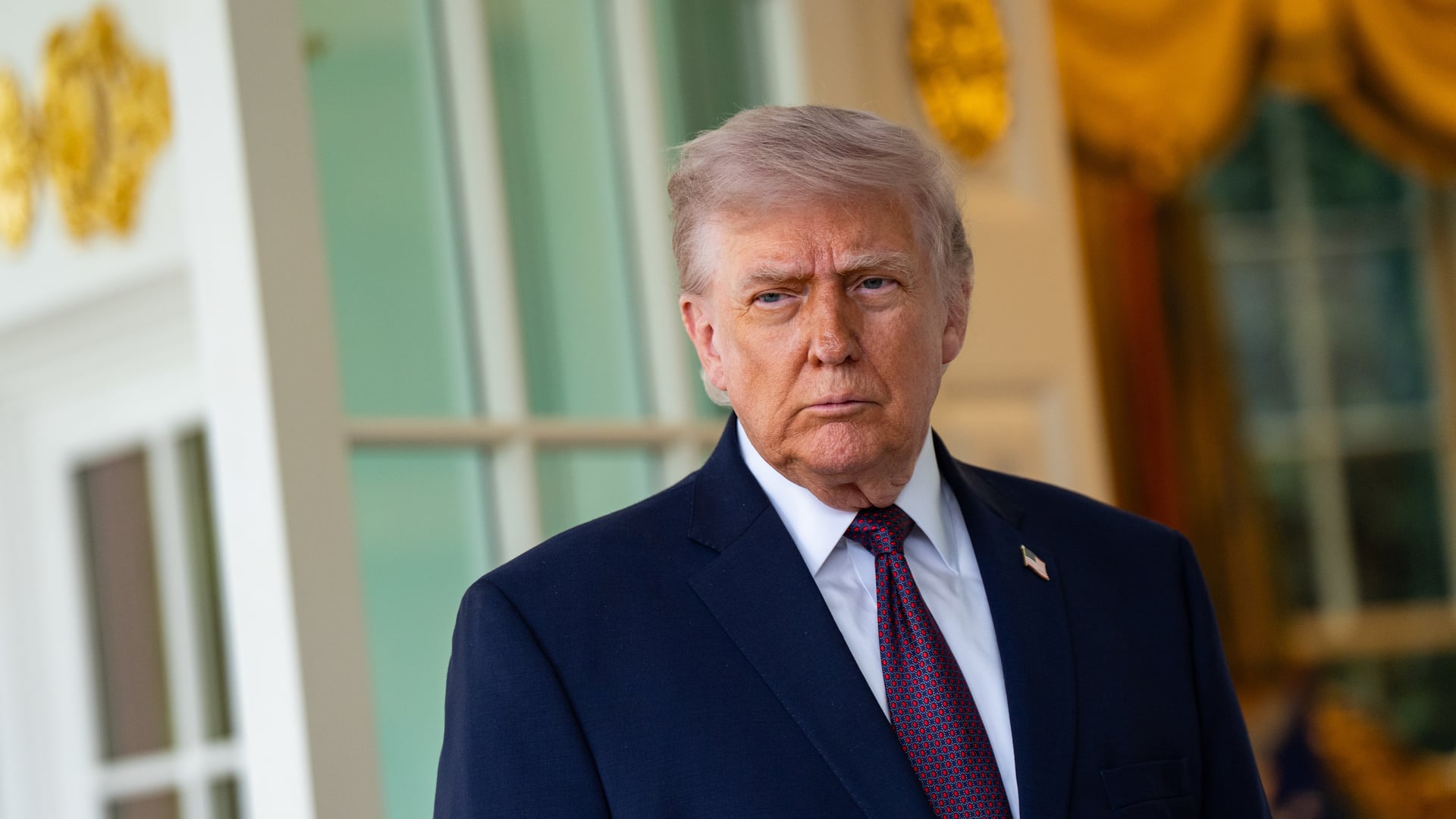
The White House has officially confirmed its support for this initiative. According to its authors, the main aim is to give the US President the power to sanction countries that finance Russia’s war by purchasing energy resources.
Who is affected by the new duties?
The draft bill is specifically aimed at the countries that remain the largest buyers of Russian energy resources after 2022. First and foremost, these are China, India and Turkey. It is these countries that, despite Western sanctions, continue to import significant volumes of Russian oil and gas.
The document stipulates that importing countries will have to choose between access to the US market and cheap Russian raw materials. Tariffs may be imposed on any goods from countries that do not cease purchasing Russian energy resources.
Reactions from China, India and the EU
China has officially condemned the US initiative, describing it as “economic blackmail”. Chinese government officials have stated that such measures could undermine the stability of the global energy market.
India, for its part, has announced its intention to continue purchasing Russian oil, citing their own energy interests. The European Union has not yet expressed a unified position on the new initiative, but some countries, notably Germany, have called for coordinated action with the US.
The lack of a common position amongst the US’s allies could complicate the implementation of the bill at a global level.
Possible implications for the market and allies
The introduction of tariffs on 500% could be an unprecedented move and lead to trade wars. Experts warn that this could trigger a rise in energy prices and risk a rift among US allies if the EU or other partners do not support similar measures.
At the same time, even a partial reduction in exports of Russian energy resources to “friendly” countries could significantly reduce the Kremlin’s revenues. The final mechanism for monitoring compliance with the new rules and any possible exemptions has not yet been made public.
What remains unknown and the next steps
The date for the US Congress to vote on the bill has not yet been set. It is unclear exactly how the volume of Russian energy imports by third countries will be determined, or what exemptions may apply. Nor has the final mechanism for monitoring and imposing sanctions on companies that breach the new rules been made public.
Support from the White House and bipartisan agreement in the Senate significantly increase the chances of the bill being passed in the near future. However, the implementation of such radical measures may depend on the reaction of the US’s key trading partners and the ability of its allies to coordinate their actions.