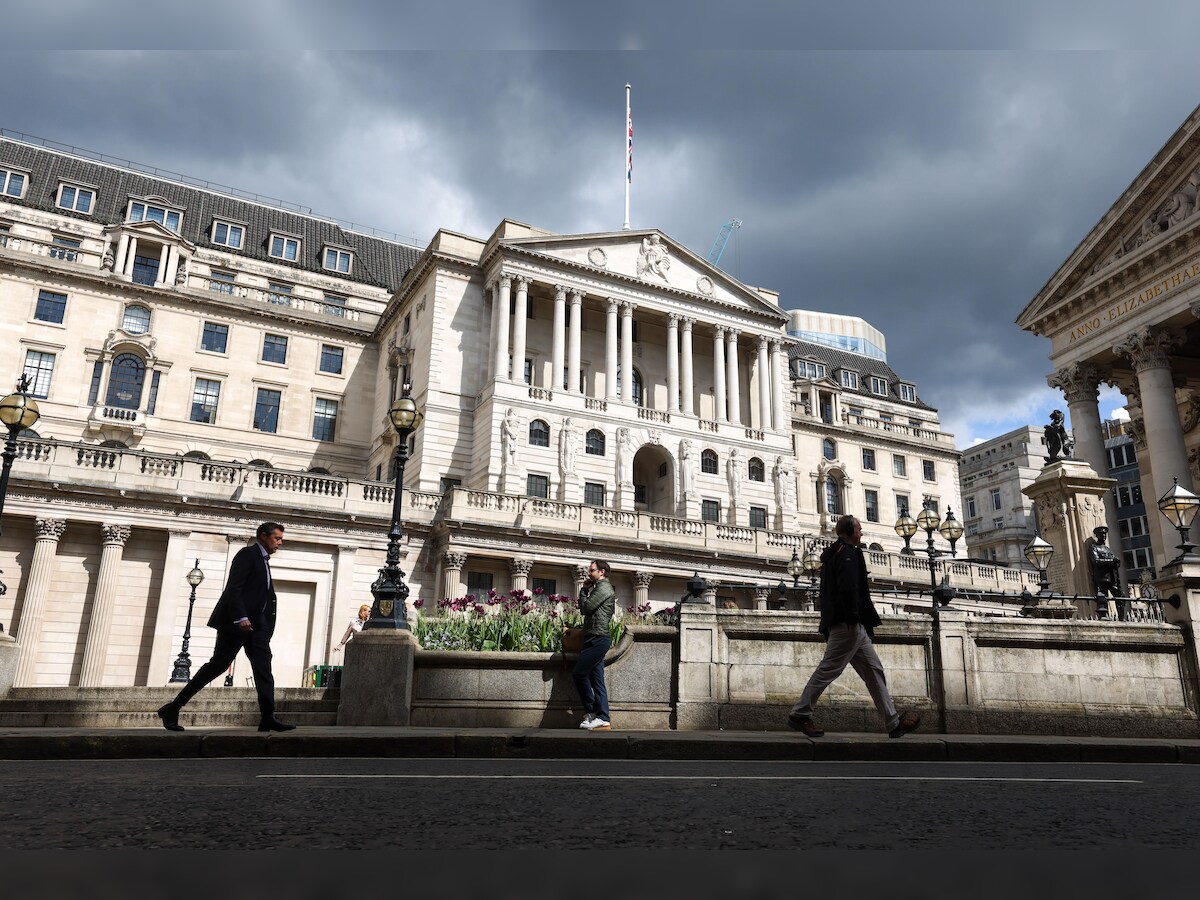
The G7 central banks have decided to keep key interest rates unchanged. This decision was made against the backdrop of rising global risks associated with the war in Iran and uncertainty about inflation and prices.
G7 central banks respond to geopolitical risks
The central banks of the world's leading economies - the G7 countries - announced that they would keep key interest rates at the current level. This was a response to heightened geopolitical tensions, in particular due to the escalation of the conflict in Iran. Pros. information The Guardian, financial regulators warn that the war could have a serious impact on the stability of the global economy.
The decision to leave the rates unchanged is explained by the need to avoid additional shocks in the markets. Experts note that any sharp decline or increase in the cost of borrowing could deepen uncertainty and increase price volatility in financial markets.
Inflationary pressures and prices remain under control
Financial analysts point out that despite the persistence of high risks, inflation in the countries of G7 remains under relative control. Central banks are closely monitoring the situation and are ready to adjust their policies in the event of sharp changes in price dynamics. At the same time, the duration and scope of the conflict in Iran may change the inflation outlook in the coming months.
The cost of energy and raw materials remains the main factor affecting inflation. According to experts, any further deterioration of the situation in the Middle East could lead to a new spike in oil and gas prices, which would pose additional challenges for the G7 monetary policy.
Forecasts for the global economy
According to analysts, the decision of central banks to keep rates stable is intended to maintain investor confidence and preserve macroeconomic balance. At the same time, uncertainty over the development of the conflict in Iran and its possible impact on global supply chains remains a key risk to global growth.
Regulators warn of the need to be prepared for rapid changes in circumstances. Economists also stress the importance of coordination between the G7 countries to minimise the negative impact of external shocks.
Why it matters
The stability of the G7 monetary policy has a direct impact on the global economy. Keeping interest rates steady helps to avoid sharp fluctuations in financial markets and supports investment activity even in difficult geopolitical conditions.
However, further developments around Iran may force central banks to reconsider their approaches. Not only the dynamics of inflation, but also the overall level of economic stability in the world depends on the decisions of the G7.
For Ukraine and other countries integrated into the global financial markets, the actions of the G7 set the benchmarks for their own monetary policy and influence the cost of borrowing, energy prices and investment climate.