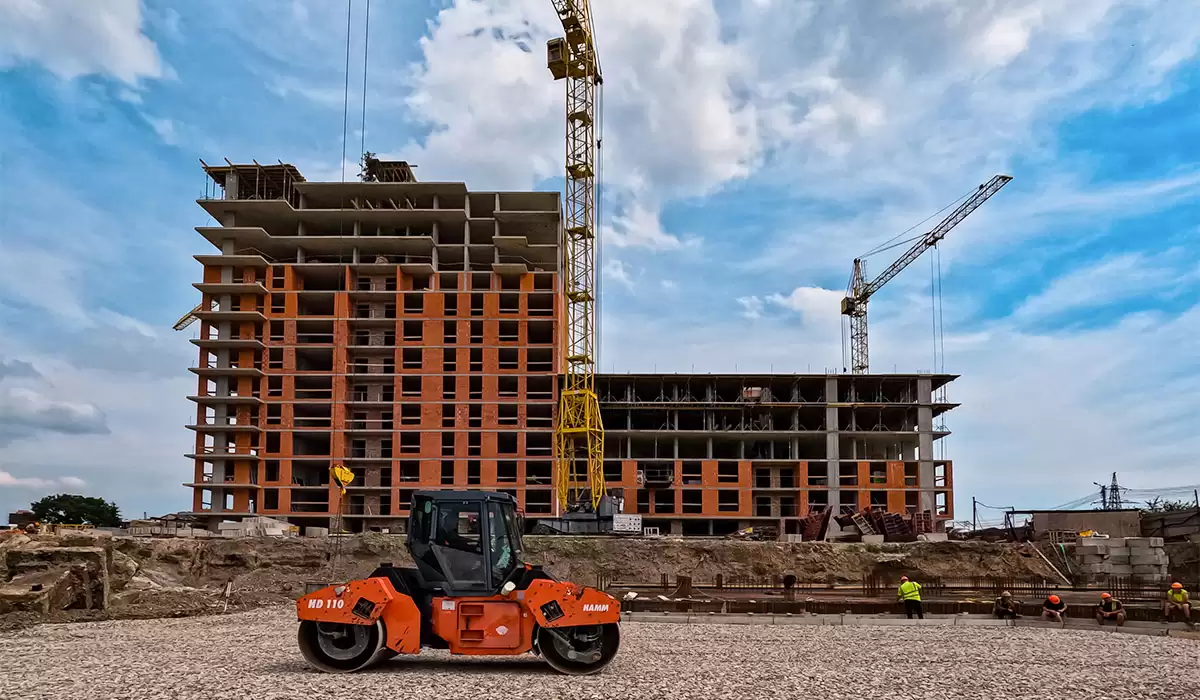
The Government has approved a package of deregulatory decisions initiated by the Ministry of Development to simplify procedures in the construction sector. The changes should remove systemic barriers, make the rules transparent and predictable for the market. Procurement, paperwork and pricing will now become more efficient.
Key innovations in the construction industry
The Cabinet of Ministers has approved a package of decisions developed by the Ministry of Development that fundamentally changes approaches to regulating the construction industry. The main goal is to remove systemic barriers and create clear and predictable rules for all market participants. Pros. information government, these steps will help to launch reconstruction projects more quickly and increase the efficiency of the processes.
Among the key changes is the introduction of framework agreements for procurement. This allows us to select contractors more quickly and start implementing construction projects. In addition, the approach to budgeting has been updated to reflect market conditions and real wages.
Transparent pricing and reduced bureaucracy
The introduction of an electronic database of prices for construction materials was a significant step forward. It will allow us to create realistic estimates, increase transparency and simplify cost control. Along with the changes in pricing, customers have been given the choice of whether to submit documents to local control authorities or the state inspection.
This flexibility reduces the time for approval and reduces the bureaucratic burden on market participants. According to the government, the new approaches should speed up the implementation of construction projects, especially in the context of large-scale reconstruction of the country.
Mechanisms for appeal and regulation of specific territories
In addition, a mechanism for appealing against refusals to grant urban planning conditions has been introduced. This is important to prevent delays in the implementation of projects that could previously be stopped for months due to bureaucratic obstacles.
The issue of construction in the airfield areas has been regulated separately. The changes are being implemented without reducing safety requirements to ensure a balance between infrastructure development and compliance with standards. The regulation should speed up reconstruction and avoid unnecessary delays.
Why it matters
Deregulation in the construction sector opens up new opportunities for rapid infrastructure reconstruction and development. Reducing the number of procedures and simplifying the rules allows businesses to respond more quickly to market needs and launch large-scale projects.
Transparent pricing and the introduction of electronic tools increase investor and public confidence in the reconstruction process. Territory-specific appeal and settlement mechanisms reduce the risk of delays and contribute to the safe development of construction.
In general, the government's decisions create conditions for more efficient market operation and bring the country closer to a rapid reconstruction after the destruction.