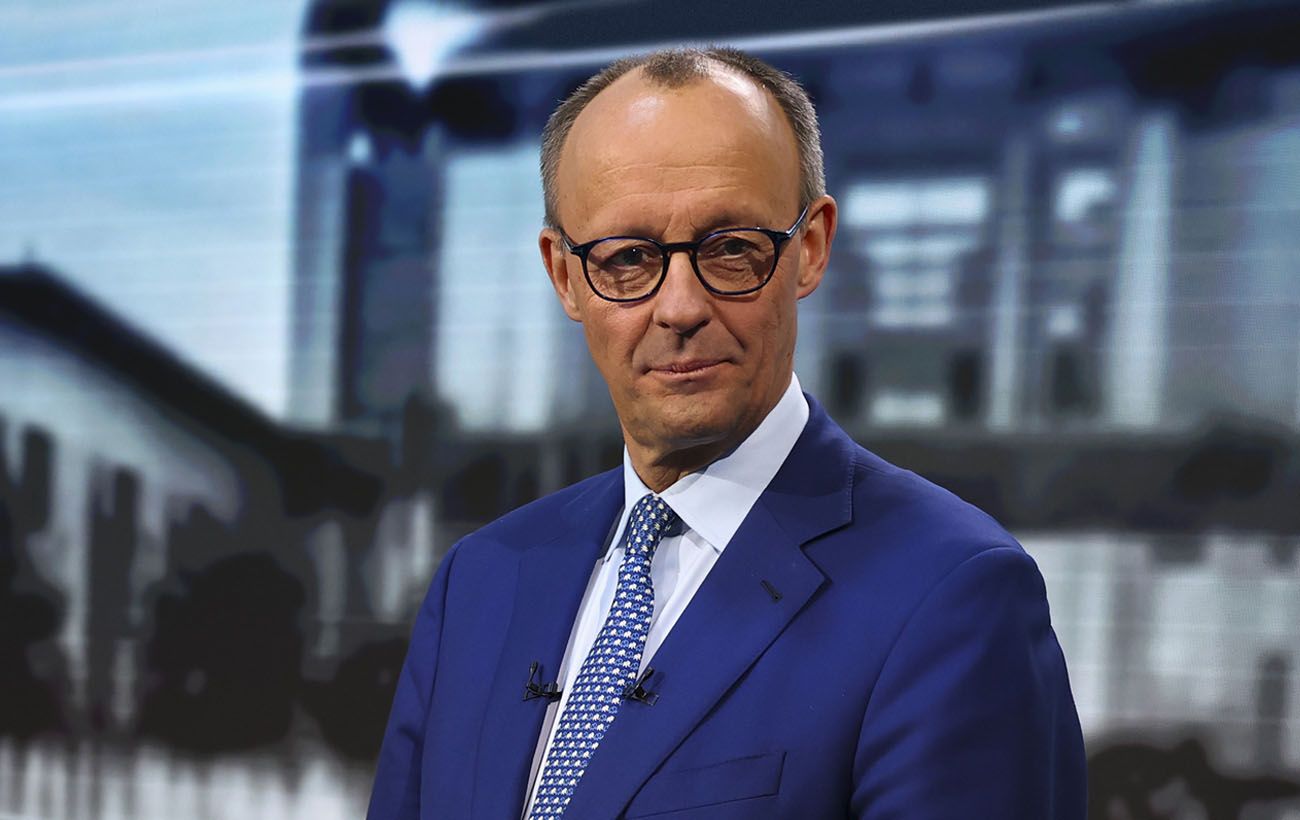
Since the start of the full-scale Russian invasion, the number of German companies operating in Ukraine has almost tripled, with none of them leaving the Ukrainian market. This was stated by German Chancellor Friedrich Merz during the ninth German-Ukrainian Economic Forum, which took place on 20 November in Berlin. Despite the risks posed by the war, the volume of bilateral trade exceeded 12 billion euros by the end of 2025.
- The number of German companies in Ukraine has almost tripled since the start of the full-scale war.
- According to Merz, not a single German company has left the Ukrainian market.
- Trade between Ukraine and Germany exceeded 12 billion euros in 2025.
- Berlin is expanding its range of financial instruments for investing in Ukraine’s reconstruction.
German businesses are expanding their presence in Ukraine
Friedrich Merz He highlighted the ability of Ukrainian businesses to thrive in wartime conditions and thanked representatives of German industry for continuing their economic activities in Ukraine. He said that during his visit to Kyiv in October, he had seen for himself the high technological potential of Ukrainian companies.
According to the German-Ukrainian Chamber of Commerce, there are over 200 German companies operating in Ukraine, and the volume of direct investment from Germany amounts to around one billion euros. At the same time,The losses suffered by German businesses as a result of Russian attacks are estimated at around 500 million euros. This was reported by Deutsche Welle on 24 November.
Germany is encouraging investment in Ukraine’s reconstruction
Berlin identifies the development of the energy sector, industry, agriculture, logistics and infrastructure as one of the priorities of the economic partnership. To mitigate risks for businesses, the German government provides state investment guarantees, whilst the Ukraine Connect programme offers loans for investment projects on favourable terms.
A European investment fund, backed by public funding of around 220 million euros, is set to become a dedicated instrument for attracting private capital.
Merz emphasised that the economic partnership is beneficial to both countries, as it opens up new export opportunities and promotes technological development. At the same time, the Chancellor described the continuation of reforms in the areas of the rule of law and the fight against corruption as an important condition for further funding and investment.