By the start of winter, Kyiv could lose around 500 restaurants and cafés — almost one in five catering establishments. This is the warning issued by restaurant expert Olga Nasonova. The situation is exacerbated by falling footfall, the cost of backup power supplies and new operating rules during air raid alerts. From 4 December 2026, businesses without adequate shelter or a designated safe space will lose the right to continue normal operations during a yellow alert level unless their staff consent.
- Around 500 restaurants and cafés in Kyiv may cease trading by winter.
- The transition period for businesses without shelters ends on 4 December.
- To operate during a yellow alert, establishments must comply with the new safety requirements.
- According to estimates by restaurant owners, footfall at establishments in Kyiv fell by 30–50% in October compared with last year.
- In Lviv, the restaurant sector is showing more stable growth than in the capital.
Why are Kyiv’s restaurants at risk of closure?
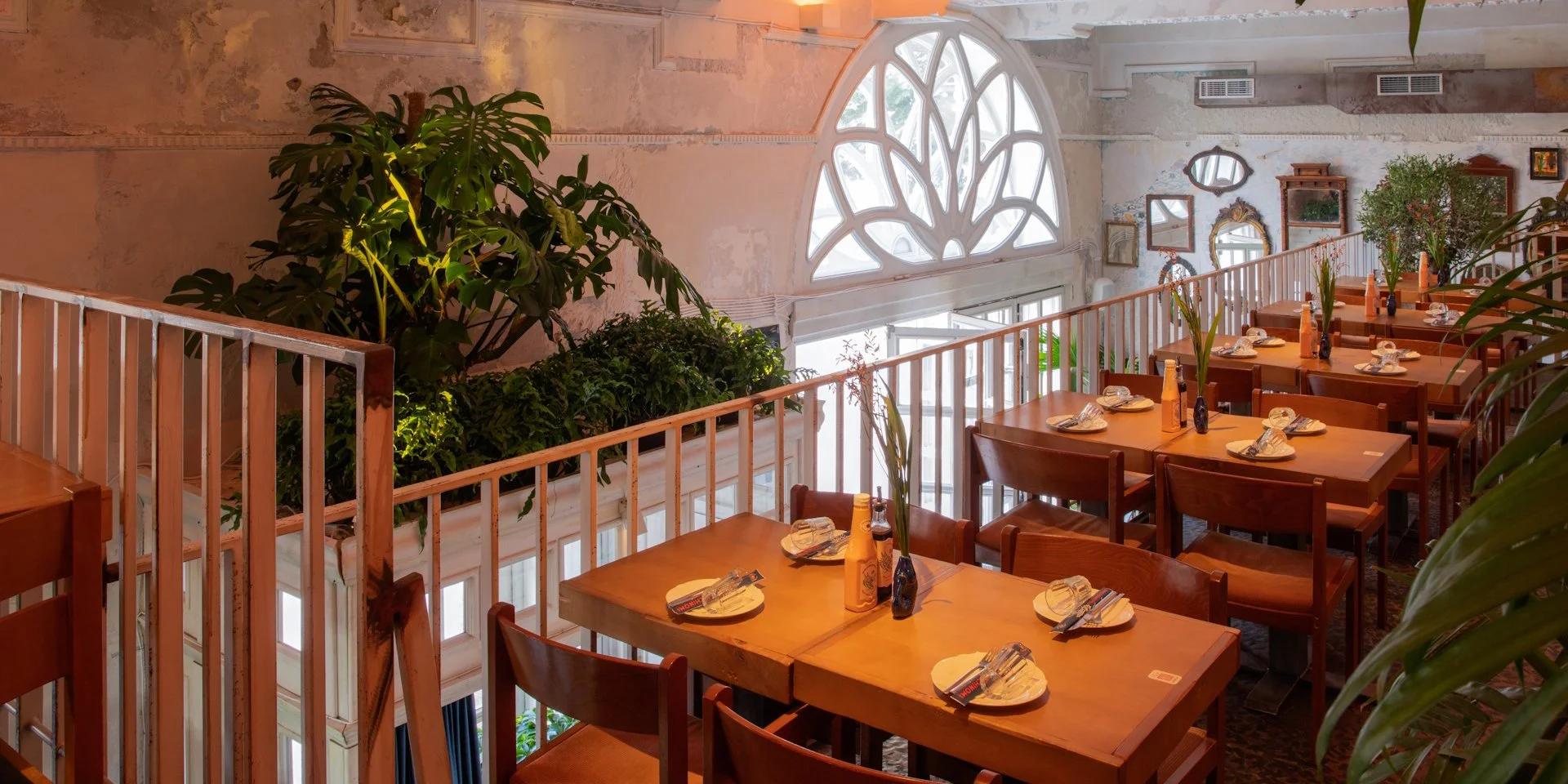
According to the director of the «Restaurants of Ukraine» think tank» Olga Nasonova, the capital’s restaurant market could lose around 500 of its 3,000 establishments. Some businesses are already up for sale, whilst others are considering temporarily suspending operations until spring.
Financial difficulties have been mounting over recent months. According to the expert, In October 2026, footfall at restaurants in Kyiv fell by 30–50% compared with the same period last year. At the same time, owners have to pay rent, staff wages, electricity bills and fuel for the generators.
The situation is particularly difficult in establishments located in shopping centres. Due to the prolonged air raid warning Some of them are reducing their opening hours, whilst visitors are altering their usual routes.
Some restaurants are trying to reach agreements with their landlords to reduce rent payments or to temporarily cover only utility costs. This approach enables them to retain their premises and equipment until business resumes.
The estimate that 20% establishments may close is a forecast by a representative of the restaurant sector, rather than official statistics on businesses that have already ceased trading.
New rules from 4 December: what restaurants need to stay open
Resolution of the Cabinet of Ministers No. 1092, which came into force on 4 September 2026, introduced two levels of air threat. The yellow level indicates a threat of a drone attack, whilst the red level indicates a missile threat, a combined threat or a massive drone threat.
During the yellow alert level, businesses may continue to operate provided they ensure that staff and visitors have access to a shelter or a suitably equipped safe space. For businesses without such facilities, a three-month transition period has been provided for, which ends on 4 December.
At the same time, these requirements do not mean that every restaurant is obliged to build a separate bunker. In cases provided for by law, it is permitted to set up a safe space directly within the building. However, its design and location must comply with the established safety standards.
The greatest difficulties are faced by owners of small city-centre restaurants who rent premises on the ground floors of residential buildings. Refitting such premises may involve significant costs or prove technically challenging.
Important: From 4 December, there will be no general ban on restaurants operating without shelters. The restrictions relate specifically to whether they may continue to operate during a yellow air threat alert. Establishments may operate outside these alert periods, provided they comply with other applicable requirements.
Why is the situation in Lviv different from that in Kyiv?
Unlike the capital, Lviv’s restaurant sector has shown more stable performance in recent months. According to Olga Nasonova’s observations, the city has not experienced the same drop in footfall as Kyiv, and some establishments have even recorded an increase.
The expert attributes this difference, in particular, to temporary trips by Kyiv residents to Lviv and the movement of young people. In Lviv, educational institutions are operating more actively in person, whilst in Kyiv, some educational institutions have switched to remote learning due to the security situation.
At the same time, the new requirements for shelters apply to businesses throughout Ukraine. Therefore, restaurants, regardless of the city they are in, must assess whether their premises are ready to operate during air threats.
With winter approaching, business owners are deciding whether to invest in refurbishments, switch to reduced opening hours or temporarily suspend operations. The full extent of any closures will become clear once the transition period has ended.