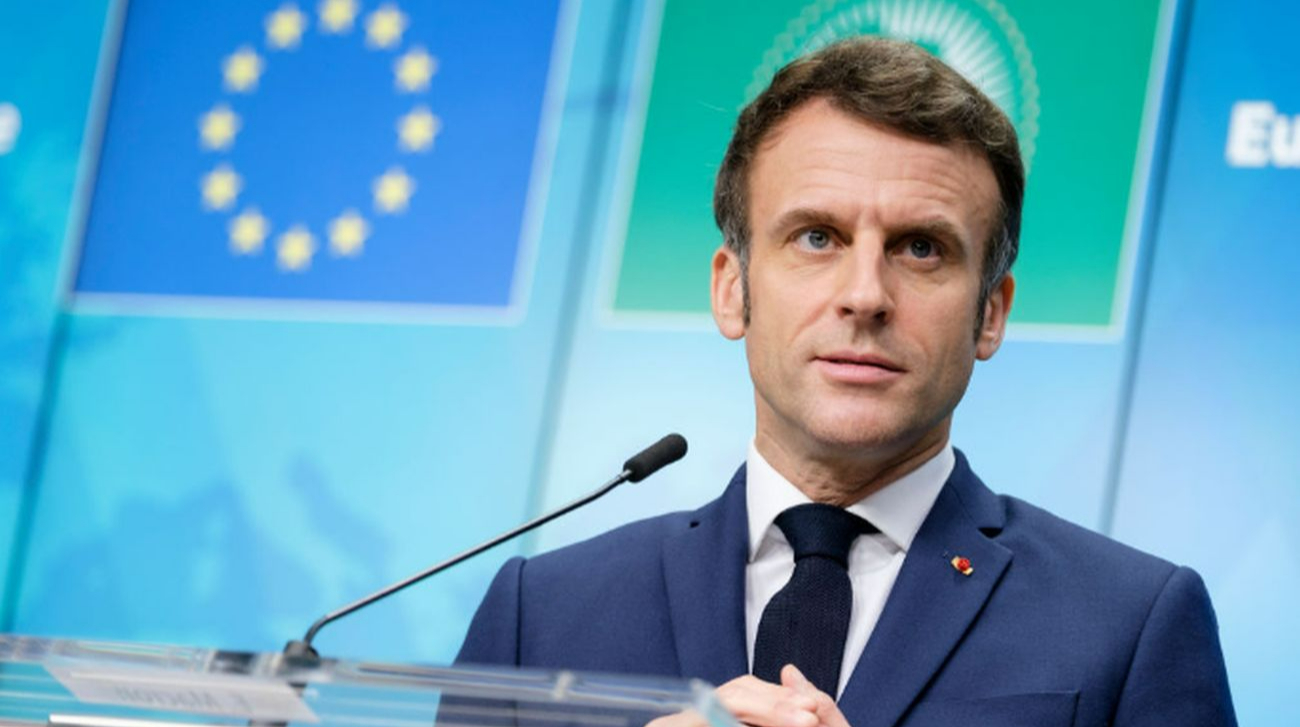
French President Emmanuel Macron has announced that France will grant Ukraine licences to manufacture Aster missiles, which are used in the SAMP/T air defence systems. The decision was announced during a joint press conference with the leaders of Ukraine, the UK and Germany in Paris. Ukraine also plans to purchase its first batch of modern SAMP/T batteries, and the cooperation has been formalised in a new, agreed roadmap.
Briefly about the main points
- France will allow Ukraine to manufacture Aster missiles for the SAMP/T systems.
- A roadmap for cooperation in the field of air defence has been agreed.
- Ukraine plans to receive its first batch of new-generation SAMP/T batteries.
- An anti-ballistic coalition has been formed, which currently comprises eight countries.
- Ukraine is planning to train personnel to operate the new systems and Rafale fighter jets.
France’s decision on licences for Aster missiles
President of France Emmanuel Macron announced that Ukraine would be granted licences to manufacture French missiles Aster. These missiles are a key component of the air defence system SAMP/T, which France is developing jointly with Italy. Macron emphasised that this decision would enable Ukraine to obtain modern defence equipment more quickly, produced directly on its own territory.
According to the French leader, other countries have also taken similar decisions regarding the transfer of licences, although the details remain confidential. Macron also pointed out that the US President Donald Trump announced a political agreement on the possibility of producing interceptor missiles for the systems Patriot, and further technical work still lies ahead.
A roadmap for cooperation and new air defence systems
During a meeting in Paris, the Presidents of France and Ukraine agreed on a new roadmap for bilateral cooperation. It provides not only for the licensed production of missiles, but also for plans for Ukraine to procure its first batch of new-generation SAMP/T batteries. These systems are intended to supplement the existing air defence assets and missiles, which are due to be delivered in the coming weeks.
President Volodymyr Zelenskyy He thanked France for its support and emphasised the importance of the decisions regarding licences for Aster and SCALP missiles. He noted that this was a significant step towards strengthening Ukraine’s defence capabilities.
The Anti-Ballistic Missile Coalition and international support
The first meeting of the so-called the anti-ballistic coalition, which currently comprises eight countries. The coalition has been established to accelerate the development of Ukraine’s anti-ballistic defence capabilities and to provide immediate means of defence. According to Macron, the coalition will serve as a platform for the joint development of new systems and for staff training exercises.
In addition, the «Coalition of the Willing», comprising 37 countries and recently joined by Moldova and North Macedonia, is working on security guarantees for Ukraine following the cessation of hostilities. The coalition’s next meeting is scheduled for September at ministerial level.
Modernisation of the aviation sector and next steps
In addition to decisions regarding air defence, Ukraine plans to procure 16 fighter jets Rafale and the associated weaponry. Staff training is set to begin in the coming months, and the first flights of the new aircraft over Ukraine are expected in 2028–2029.
Ukraine and France have also agreed on a number of other, more confidential defence-related decisions, which are intended to strengthen the capabilities of the Ukrainian armed forces.
Editorial analysis: the potential impact of France’s decision
The transfer of licences to manufacture Aster missiles could signal Ukraine’s gradual transition to the independent production of modern air defence systems. This would potentially reduce dependence on external supplies and accelerate the modernisation of its defence capabilities. At the same time, participation in international coalitions and the expansion of cooperation with France and other partners demonstrates Ukraine’s deepening integration into the European security system.
France’s decision could serve as a signal to other countries to support Ukraine’s defence sector not only through supplies but also through technology transfer. This paves the way for a long-term strengthening of Ukraine’s defence capabilities.