US-China trade deal: a victory for diplomacy, but key questions remain
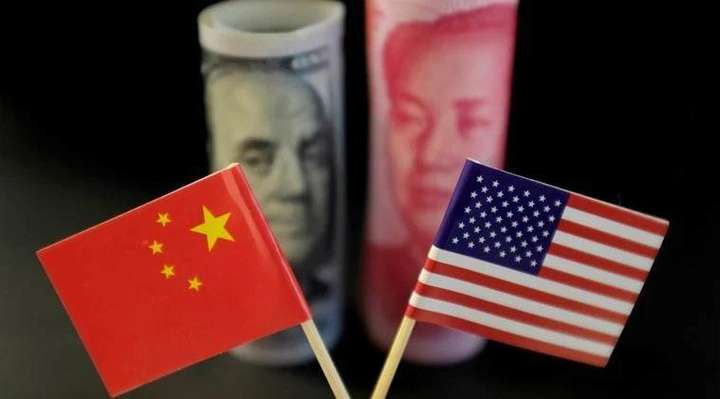
The official delegations of the United States and China announced that they had reached an agreement - a trade truce, which, according to the parties, will pave the way for a summit of leaders Donald Trump and Xi Jinping.
However, as analysts note, Key conflict issues have not been resolved - Among them: control over technological exports, the status of rare earth metals and a deep tariff imbalance.
The look of a truce
-
Diplomatic circles say that the agreement gives quick diplomatic victoriesreducing tensions, stabilising markets.
-
But these «victories» are tactical rather than strategic. Bloomberg notes that: “Such easy wins please investors but leave deeper, underlying conflicts unresolved.”
Key unresolved issues
-
Rare earth metals and military technologies. China maintains control over the export of such materials, while the US continues to impose sanctions on advanced chips.
-
Tariff imbalance and industrial competition. Chinese export flows remain dominant, while the US is under pressure, although tariffs have been slightly reduced.
-
Lack of a long-term agreement. The truce is temporary and does not contain clear commitments on strategic issues.
-
Trust and verification. Both sides note that the implementation of the agreements will depend on political will.
What it means for business and the global economy
-
Markets are responding positively to the easing of trade tensions between the world's two largest economies.
-
However, the likely short-term relaxation conceals uncertainty about structural changes.
-
Businesses and supply chains may get a break, but the strategic situation remains unchanged.