Petrol prices in Russia have risen by the largest percentage since January due to Ukraine’s strikes on key oil refineries. The fuel shortage has worsened, and some petrol stations have temporarily restricted petrol sales. The government has relaxed fuel quality standards to compensate for the shortfall.
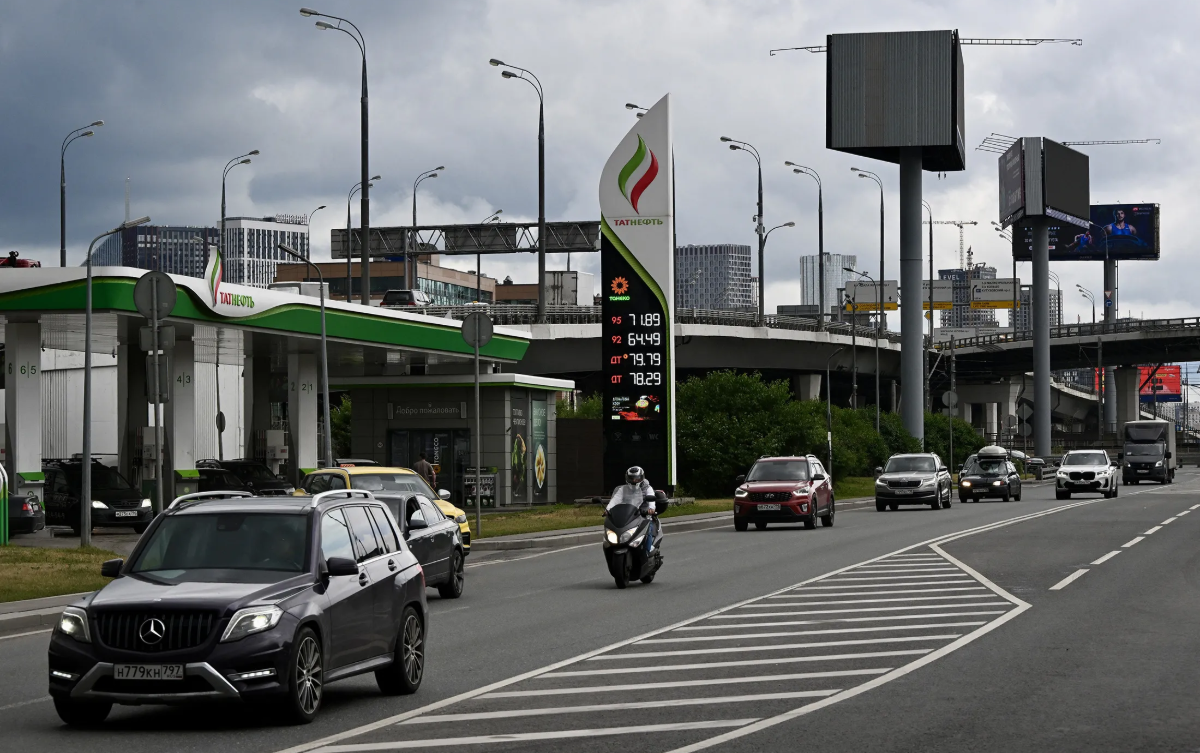
- Petrol prices in Russia rose by 1% to 69.11 roubles per litre in the first half of June.
- Ukraine has struck 9 out of the 10 largest Russian oil refineries, reducing refining output to its lowest level in 20 years.
- Some petrol stations in Russia have restricted petrol sales due to shortages and increased demand.
- The Russian government has had to relax fuel quality standards for the domestic market.
- Rising prices and fuel shortages are fuelling social tensions in the run-up to the elections.
Petrol prices in Russia are rising under pressure from attacks on oil refineries
Between 9 and 15 June, the average retail price of petrol in Russia rose by 1% to 69.11 roubles per litre. This is the largest increase since early January, reflecting pressure on the fuel market due to Ukraine’s strikes on oil refineries. The Federal State Statistics Service of the Russian Federation has recorded this trend.
The impact of Ukraine’s strikes on the Russian oil refining industry
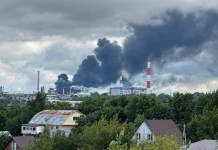
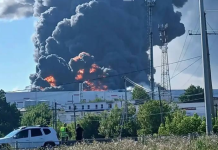
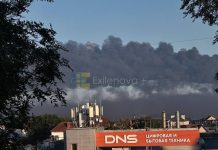
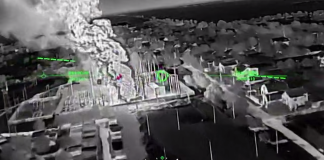
In recent weeks, Ukraine has struck 9 of Russia’s 10 largest oil refineries, reducing oil refining volumes to their lowest level in 20 years. This has led to restrictions on fuel supplies, exacerbating the shortage on the market. Russia’s largest producers, notably Tatneft and Rosneft, have been forced to impose temporary restrictions on petrol sales.
Fuel shortages and social tensions
Some regions of Russia, in particular the Southern Federal District and the North Caucasus, were the first to feel the impact of rising prices and fuel shortage. Queues have formed at petrol stations, particularly on the roads between Moscow and St Petersburg, following the attack on the capital’s oil refinery. The Russian government has relaxed the quality standards for petrol and diesel on the domestic market in order to alleviate the shortage.
Political risks for the Kremlin
Rising fuel prices and shortages are causing concern amongst the Russian authorities due to the possibility of social unrest. Similar problems have arisen in the past, notably in 2018, and affected inflation in the autumn of 2025. This situation is complicating the Kremlin’s preparations for the parliamentary elections in September 2026.
Market response and regional characteristics
Five of the Russian Federation’s eight federal districts have recorded an acceleration in price rises, whilst in three – including the Moscow District – the rate of increase has slowed slightly. Russian regional authorities are trying to reassure the public that there is sufficient fuel, but sales restrictions and queues at petrol stations suggest otherwise.
Ukraine’s strategic strikes on Russia’s oil infrastructure are affecting the country’s economic and social stability, whilst also posing further challenges for the authorities in the run-up to important elections.