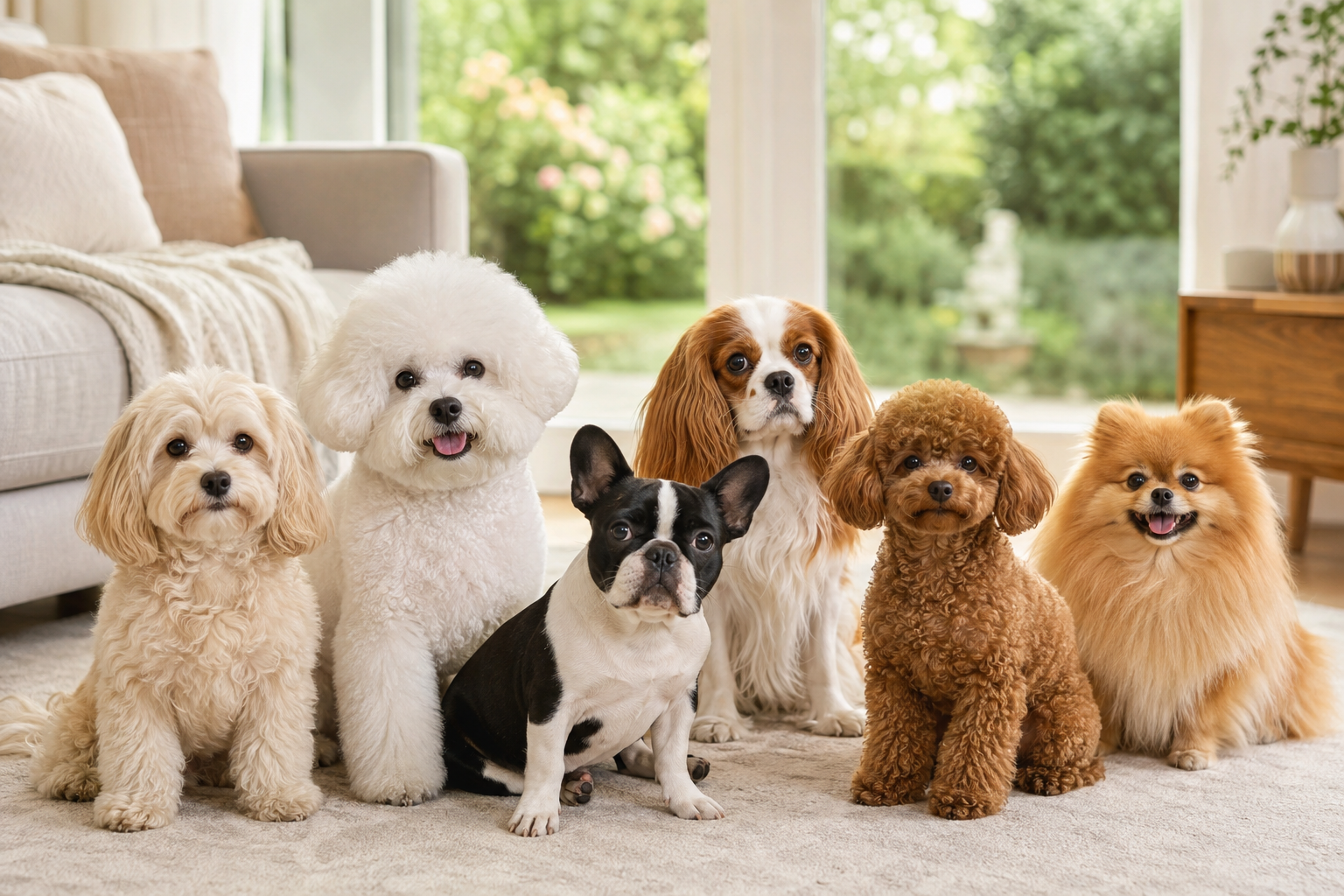
Maltipoo, Bichon Frise, French Bulldog or Cavalier King Charles Spaniel — a comparison of the temperament, care requirements, activity levels and health of popular pet dogs.
Briefly about the main points
- When choosing a dog for a flat, it’s not just the dog’s size that matters, but also its energy levels, how much it barks and its ability to be left on its own.
- Maltipoes, Bichons and Poodles shed very little, but need regular grooming.
- French Bulldogs are gentle and compact, but are at increased risk of breathing problems.
- Cavalier King Charles Spaniels, Havanese and Shih Tzus are particularly sociable with people.
- Papillons and Miniature Schnauzers are best suited to more active owners.
- There is no such thing as a completely hypoallergenic dog.
- When choosing a puppy, it is important to check the health of its parents.
A pet dog doesn’t necessarily have to spend all day lying on the sofa. Even the smallest breeds need walks, training, socialisation and mental stimulation. That’s why the best dog for a home isn’t the smallest or the trendiest, but the one whose needs match the family’s lifestyle.
The American Kennel Club lists the Bichon Frise, the Havanese, the Shih Tzu, the Maltese, the French Bulldog and the Cavalier King Charles Spaniel, amongst others, as suitable for flat living. However, an individual dog’s temperament also depends on its upbringing, socialisation, age and heredity.
A comparison of popular domestic breeds
| Breed | Approximate weight | Activity | Moulting | Level of care required |
|---|---|---|---|---|
| Maltipoo | 3–8 kg | average | small | high |
| Bichon Frise | 4–8 kg | average | small | high |
| French Bulldog | 8–14 kg | not very high | moderate | average |
| Cavalier King Charles Spaniel | 5–8 kg | average | moderate | average |
| Havana Bichon | 4–7 kg | average | small | high |
| Toy or miniature poodle | 3–8 kg | high | small | high |
| Shih Tzu | 4–8 kg | not very high | small | high |
| Maltese | 2.5–4 kg | average | small | high |
| Papillon | 2.5–5 kg | high | moderate | average |
| Miniature Schnauzer | 5–9 kg | high | small | high |
| Yorkshire Terrier | 2–4 kg | average | small | high |
| Pomeranian Spitz | 2–4 kg | average | significant seasonal | high |
These figures are approximate: the size, activity level and coat characteristics may vary even amongst dogs of the same breed.
The Maltipoo is a gentle companion who doesn’t like being left alone
A Maltipoo is a cross between a Maltese and a Toy or Miniature Poodle. It is not a separate, standardised breed, so the puppies’ appearance, size and temperament can vary considerably. Some inherit the poodle’s curly coat, whilst others have the Maltese’s softer, straighter coat
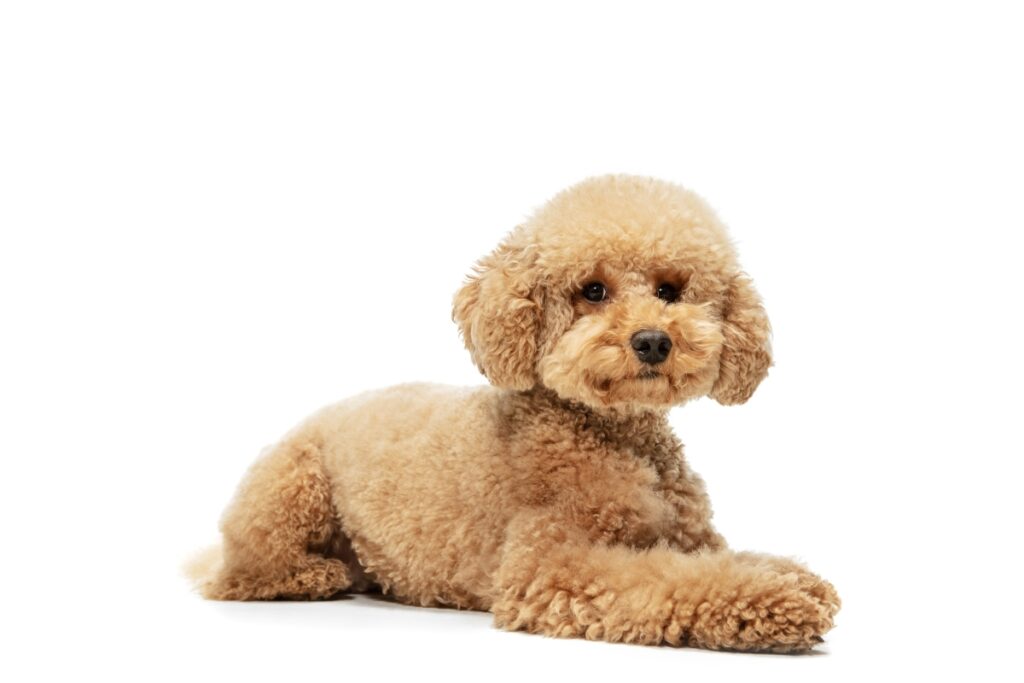
Maltipoes are generally sociable, playful and easy to train. They thrive in flats and can live with children and other pets, provided they are properly socialised. However, these dogs form strong bonds with people and may suffer from separation anxiety if they are regularly left alone for long periods.
The coat sheds very little, but it needs to be brushed frequently, and it is advisable to take the dog to a groomer roughly every four to six weeks. Potential health issues include dental problems, patellar luxation and eye conditions.
Who is it suitable for: people who work from home, families and owners who are prepared to give their dog plenty of attention.
Who it is not suitable for: those who leave their pet alone for long periods every day or are not prepared to pay for regular grooming.
The Bichon Frise — a versatile family dog
The Bichon Frise is a cheerful, friendly and sociable dog. Dogs of this breed are usually good with children, visitors and other dogs. They are active enough for play and walks, but do not require hours of exercise.
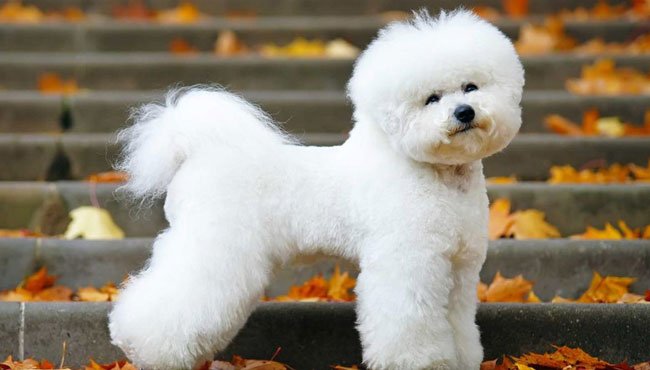
The main challenge is their white, curly coat. It hardly leaves any hair on furniture, but it quickly forms mats. The dog needs to be brushed regularly and clipped every four to six weeks. Their teeth, ears and the areas around their eyes also require attention.
Bichons are easy to train, although their owners will need to be consistent and patient when house-training them. The average lifespan of the breed is around 14–15 years.
Who is it suitable for: families with children, older people and first-time dog owners.
The main drawback: the time and money spent on grooming.
The French Bulldog — a pet with serious risks
French Bulldogs are compact, funny, affectionate and don’t usually need long walks. They are people-oriented, adapt well to flat living and often become the heart of the family.
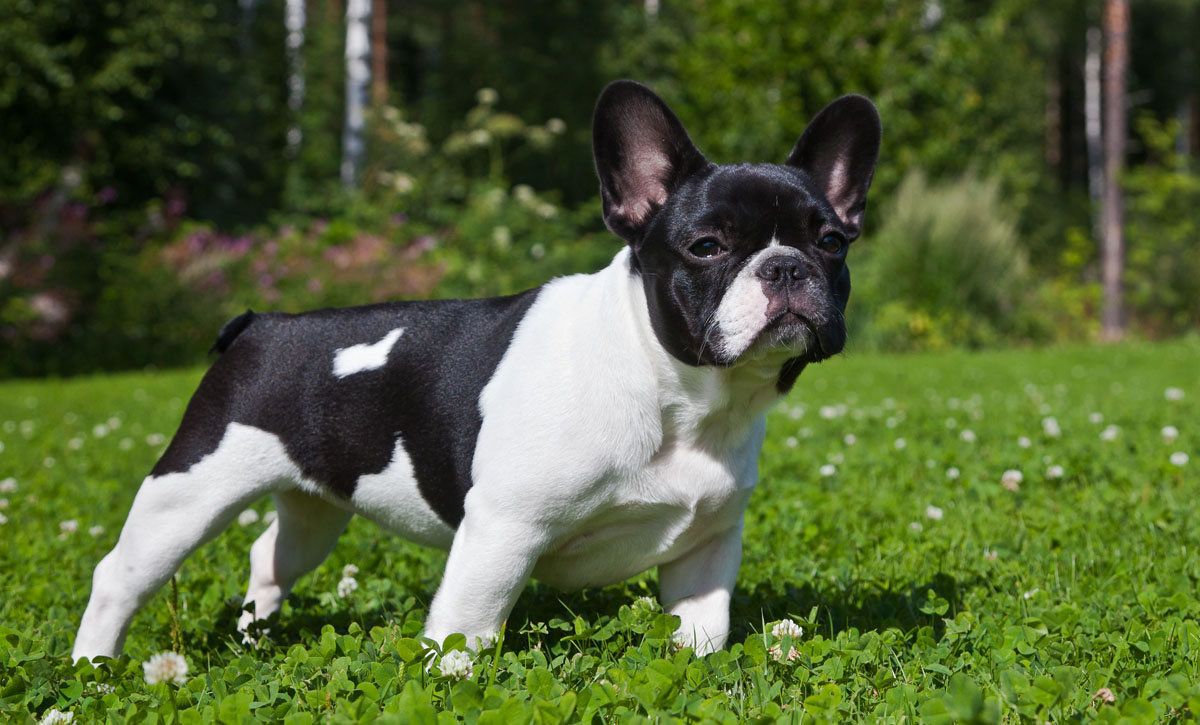
However, their friendly nature should not overshadow their health issues. Due to their short muzzles, French Bulldogs are prone to breathing difficulties, overheating, eye problems and inflammation of the skin folds. Heavy breathing or snoring whilst at rest should not automatically be considered a normal breed characteristic.
Researchers at the Royal Veterinary College have found that French bulldogs are at a significantly higher risk of a number of conditions, particularly narrowed nostrils and breathing difficulties.
If you have decided on this breed, you should look for a dog with open nostrils, a less flat muzzle and easy, quiet breathing. You must check the parents’ health test results and avoid taking the dog for vigorous walks in hot weather.
Who is it suitable for: responsible owners who are aware of the potential veterinary costs.
The main drawback: a high risk of chronic health problems.
The Cavalier King Charles Spaniel — a gentle family companion
Cavalier King Charles Spaniels combine the gentle nature of a companion dog with the energy of a spaniel. They love walks, games and socialising, but after a bit of activity, they are happy to relax by their owner’s side.
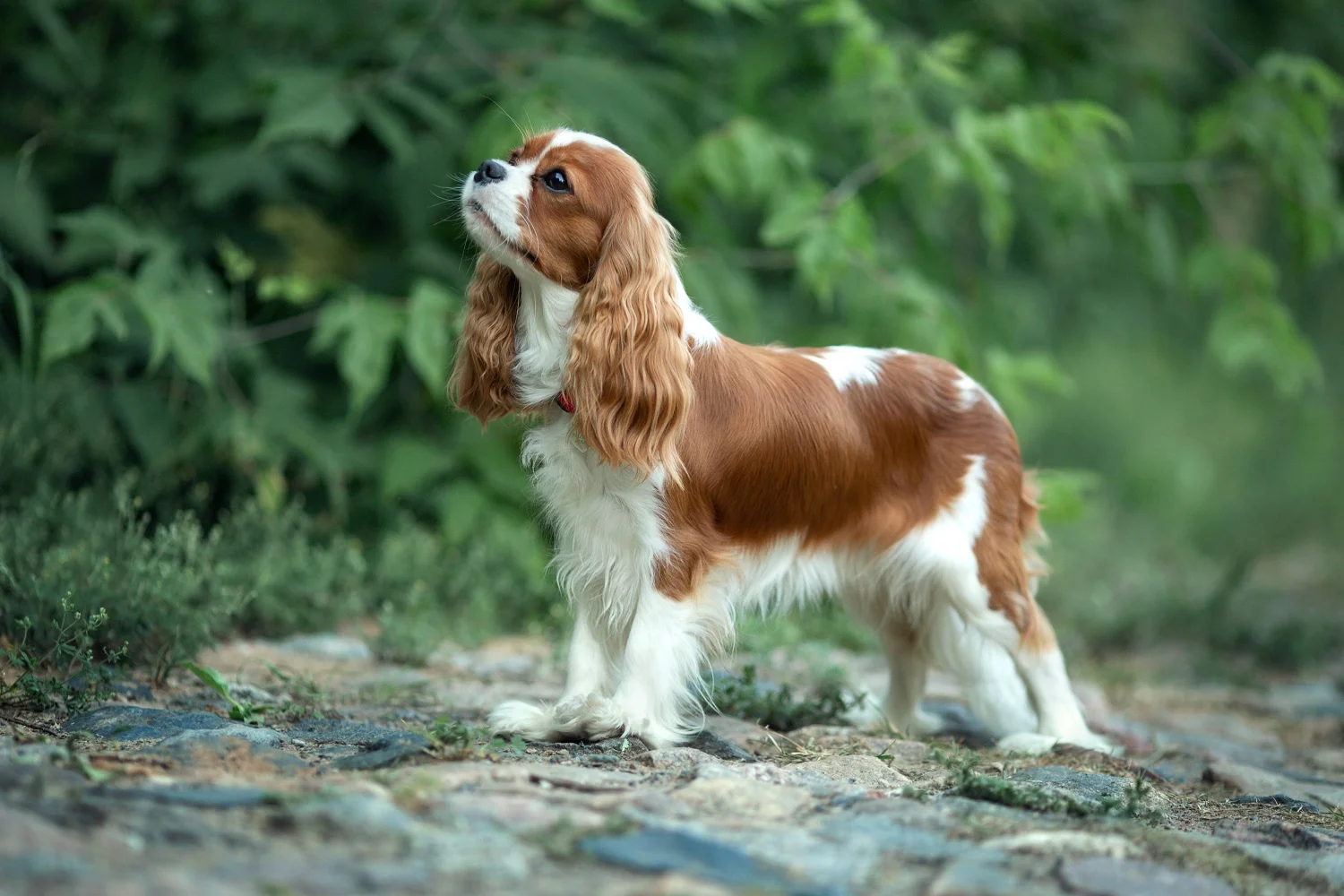
Dogs of this breed are generally friendly towards children, visitors and other animals. As they form strong bonds, they do not cope well with being left alone for long periods. Their soft coat needs to be brushed several times a week, particularly behind the ears and on the paws.
When choosing a puppy, you should ask to see the parents’ test results for heart conditions and any other health checks recommended for the breed. A Cavalier can make a wonderful family dog, but responsible breeding is particularly important for this breed.
The Havana Bichon is sociable and cheerful
The Havanese is a small Cuban breed, bred primarily to interact with people. These dogs are cheerful, lively, quick-witted and often get on well with children.
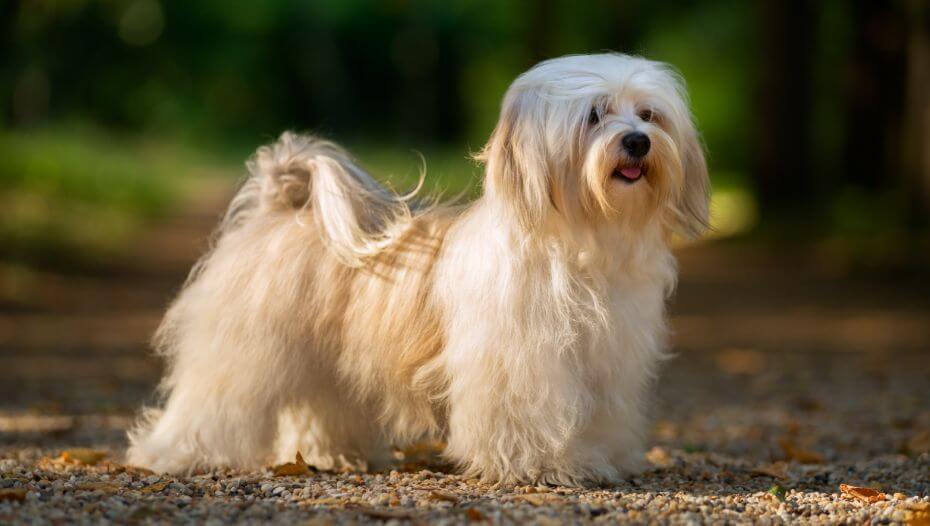
The Havana Bichon is suitable for flat living, but it needs daily walks, playtime and short training sessions. It loves being close to its owner and may not cope well with sudden or prolonged isolation.
Long coats need to be brushed frequently or kept short with regular clipping. The AKC describes Havanese as lively and sociable companions, popular with city dwellers.
Toy Poodles and Miniature Poodles — for those who love to train their dogs
A poodle is one of the best choices for someone who wants not just a companion dog, but also an active partner. Poodles learn commands quickly and love search-and-find games, puzzles and training.
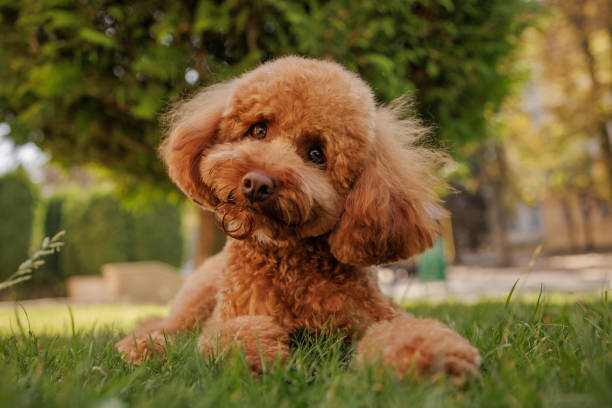
Its small size means you can keep a toy or miniature poodle in a flat, but the dog needs daily exercise. Without any activities, this intelligent dog may find its own ways to entertain itself, bark or damage things.
Curly coats shed very little, but do require regular brushing and clipping. A poodle is better suited to an active family than to someone looking purely for a laid-back, lap dog.
The Shih Tzu — a calm family pet
Shih Tzus are usually content with leisurely walks and playing at home. They are an affectionate breed that enjoys being close to people. They can be a good choice for older people or owners with a moderate activity level.
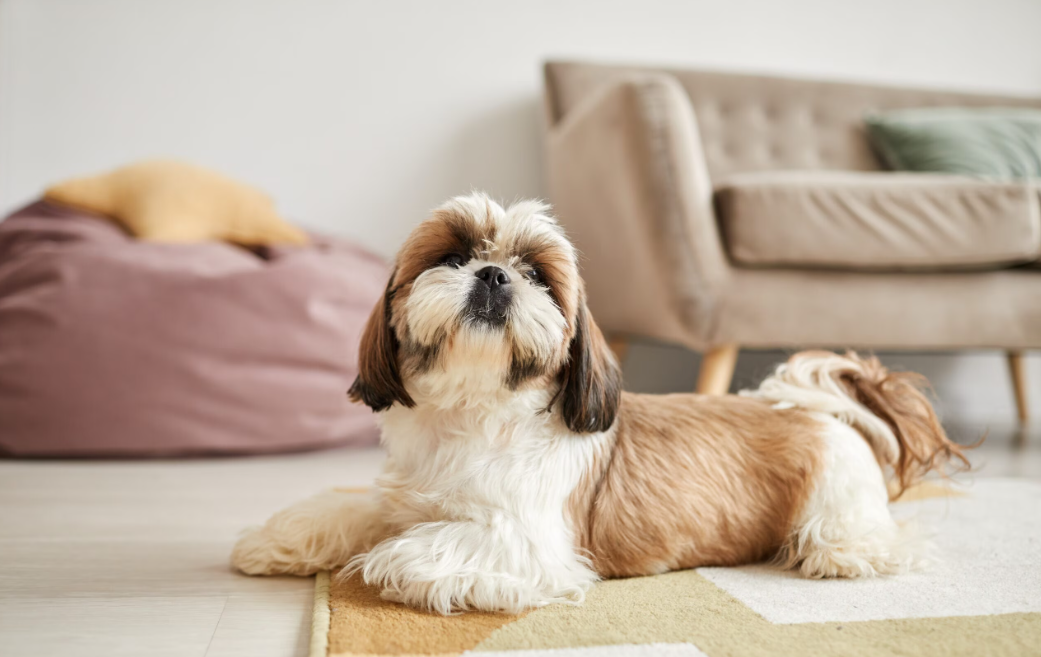
Long-haired dogs require daily grooming, although a short clip makes looking after them much easier. Particular attention should be paid to their eyes, teeth and muzzle.
The Shih Tzu is a short-muzzled breed. It is therefore important, when choosing a puppy, to check the animal’s breathing and avoid buying one with a muzzle that is too flat or nostrils that are too narrow.
The Maltese is a small but self-assured dog
The Maltese, or Maltese Bichon, weighs just a few kilograms, yet it is an energetic and alert dog. It loves company, is easy to train and may bark to alert you to unfamiliar sounds.
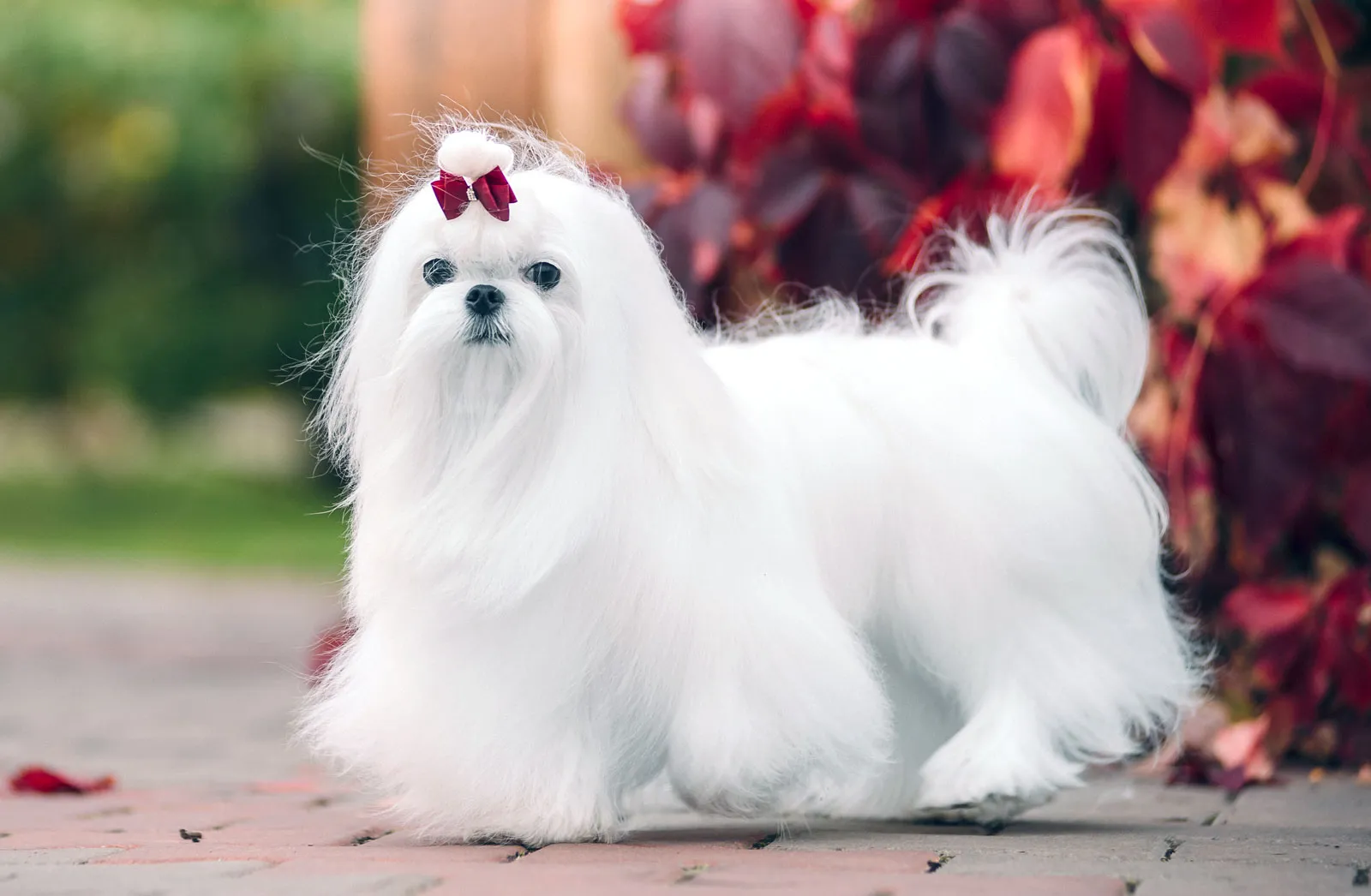
This breed is suitable for a small flat, but due to its delicate build, care should be taken in households with very young children. Its white coat needs to be brushed regularly, and the area under its eyes needs to be cleaned.
Maltese dogs shed very little, but this does not mean they are free from allergens. They also require regular dental care.
Papillon — a little athlete
The Papillon, with its distinctive ears resembling butterfly wings, is one of the most active toy breeds. It is an inquisitive, attentive and intelligent dog that can excel at agility and learn complex commands.
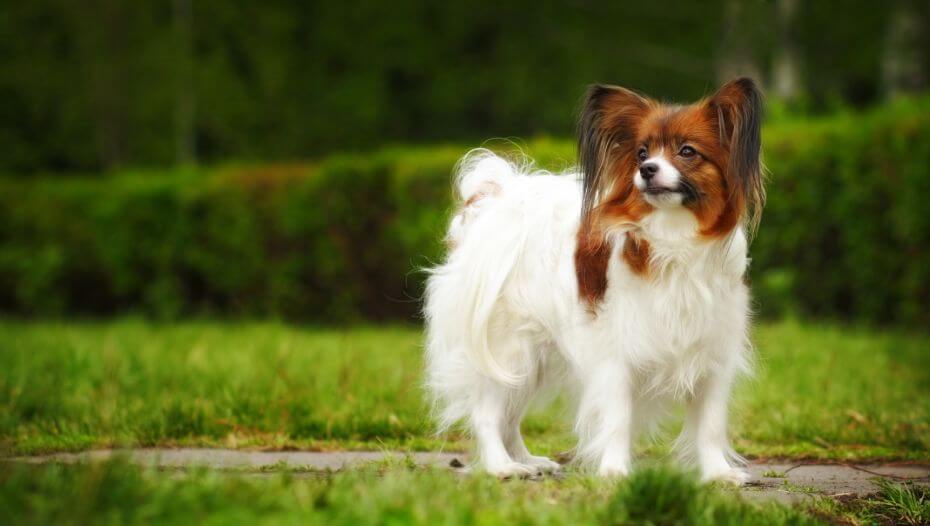
The Papillon is well-suited to flat living, but is not suitable for those who want a completely calm pet. Without walks, training and play, it can become rather boisterous. As it is quite light, interaction with young children should take place under adult supervision.
The AKC describes the Papillon as a cheerful, alert and friendly dog with a surprisingly athletic nature.
The Miniature Schnauzer — a compact guard dog and companion
The Miniature Schnauzer is more robust than many toy breeds and is well suited to active families. It is intelligent, loyal, a quick learner and keeps a close eye on everything going on around it.
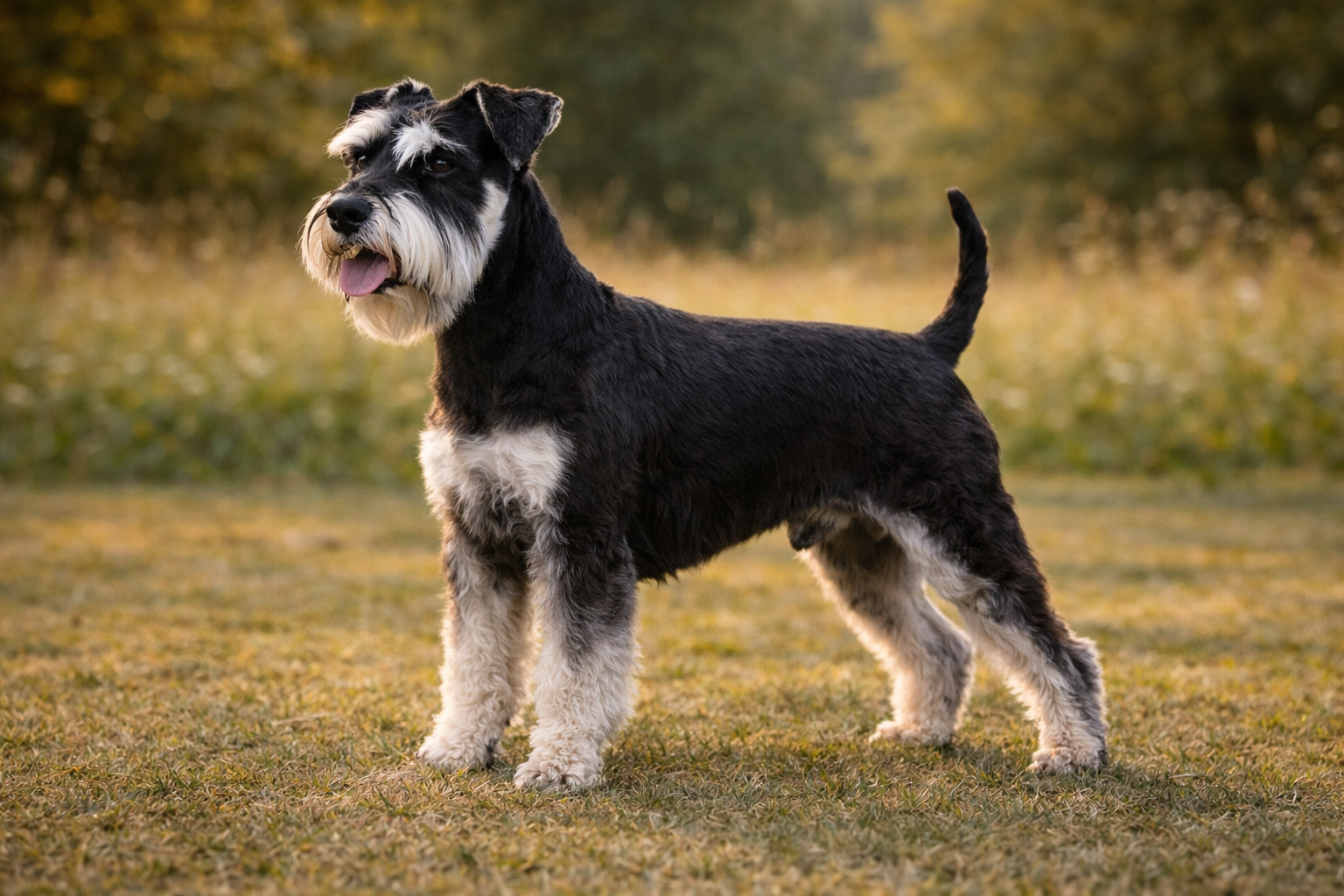
A former rodent hunter may chase small animals and react strongly to noises behind the door. Early training helps to control barking. The breed needs around an hour of varied activity each day.
Their coarse coat hardly sheds at all, but needs to be clipped or trimmed.
The Yorkshire Terrier — a big personality in a small body
The Yorkshire Terrier is brave, energetic and very attached to its owner. Its small size makes it well-suited to flat living and travelling, but in terms of behaviour, it remains a true terrier.
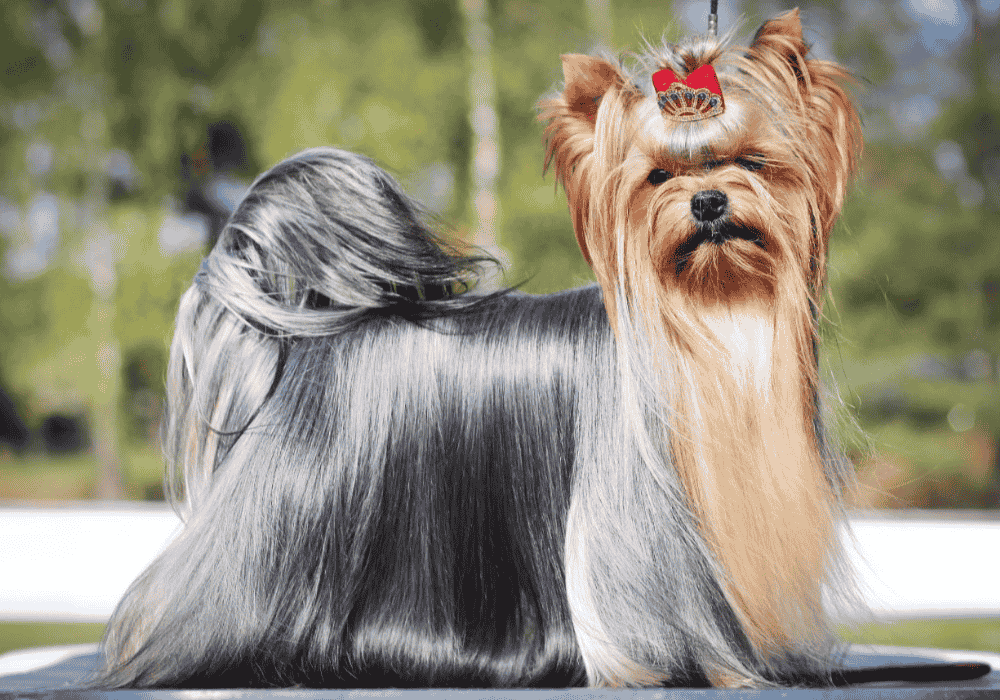
Yorkies can bark a lot, get jealous and try to boss the family about if their owner doesn’t set clear rules. Their silky coat needs brushing, although a short trim makes grooming easier.
Due to its delicate nature, a Yorkie is not always the best choice for a family with pre-school children. However, it can make an excellent companion for an adult.
The Pomeranian — striking, lively and vocal
The Pomeranian is cheerful, brave and alert. It learns quickly and forms strong bonds with its family, but often barks at visitors, neighbours and noises from the building’s entrance hall.
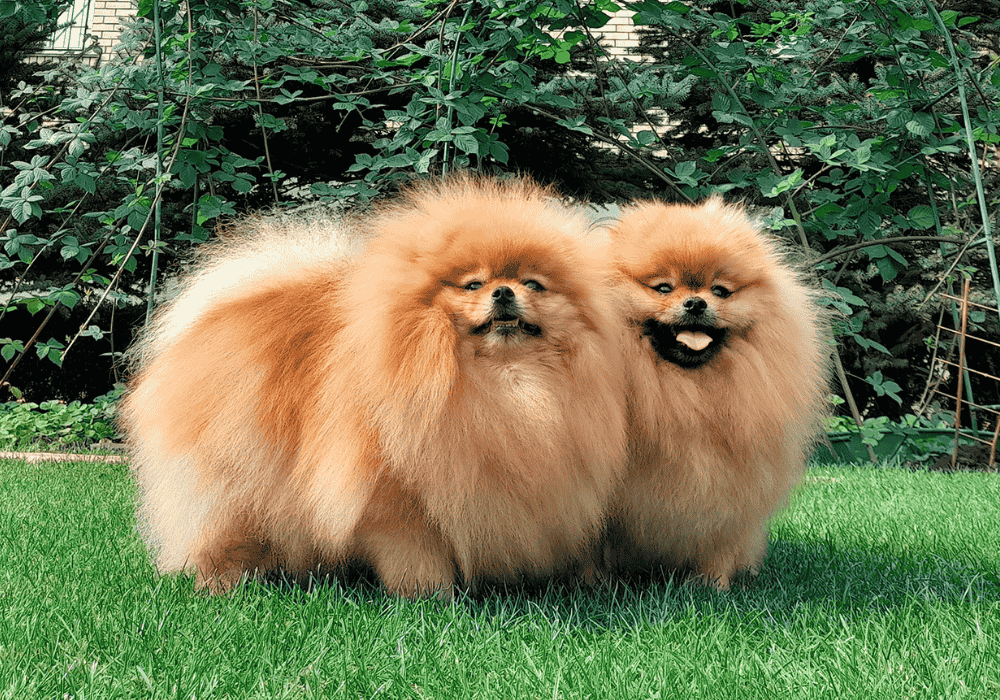
The thick double coat sheds and requires regular brushing. The dog should not be clipped very short with clippers unless there are veterinary or other valid reasons for doing so, as this may damage the structure of the coat.
A Spitz is suitable for an owner who is prepared to train and look after it. For someone who wants a quiet dog that doesn’t leave hair on the furniture, this isn’t the best choice.
Which breed should you choose for your flat and family?
If you’re looking for a friendly family dog, you might want to consider a Bichon Frise or a Havanese. For an active person who enjoys training, a poodle, a Papillon or a Miniature Schnauzer would be a good choice.
A Maltipoo would be an excellent choice for an owner who spends a lot of time at home. Cavalier King Charles Spaniels and Shih Tzus are suitable for people who appreciate a gentle nature and moderate activity levels. You should only choose a French Bulldog after carefully considering the health risks.
It is important to remember that there are no completely hypoallergenic breeds. Reactions are caused not only by fur, but also by proteins found in the skin, saliva and other secretions. Before buying a dog, it is advisable for anyone with allergies to spend some time with adult dogs of their chosen breed on several occasions.
How to choose a puppy safely
A responsible breeder should show you the puppies’ mother, the conditions in which they are kept, and the results of the breed-specific health checks carried out on both parents. A pedigree certificate alone is not enough: it confirms the puppies’ lineage, but does not guarantee their health.
You should be wary of laboured or noisy breathing, limping, discharge from the eyes or nose, listlessness, excessive fear, a dirty environment, and the seller’s reluctance to show you the paperwork. For mixed-breed dogs, particularly Maltipoo crossbreeds, checking the parents’ health is just as important as it is for purebred dogs.
Royal Kennel Club recommends verifying the results of DNA tests and clinical screenings, avoiding inbreeding, and ensuring that you see the puppy together with its mother.
Finally, it is worth considering an adult dog from a shelter or a reputable voluntary organisation. With an adult dog, its size, temperament, activity level and attitude towards children or other animals are already more apparent. For many families, a calm mixed-breed dog with a known temperament may prove to be the best companion.