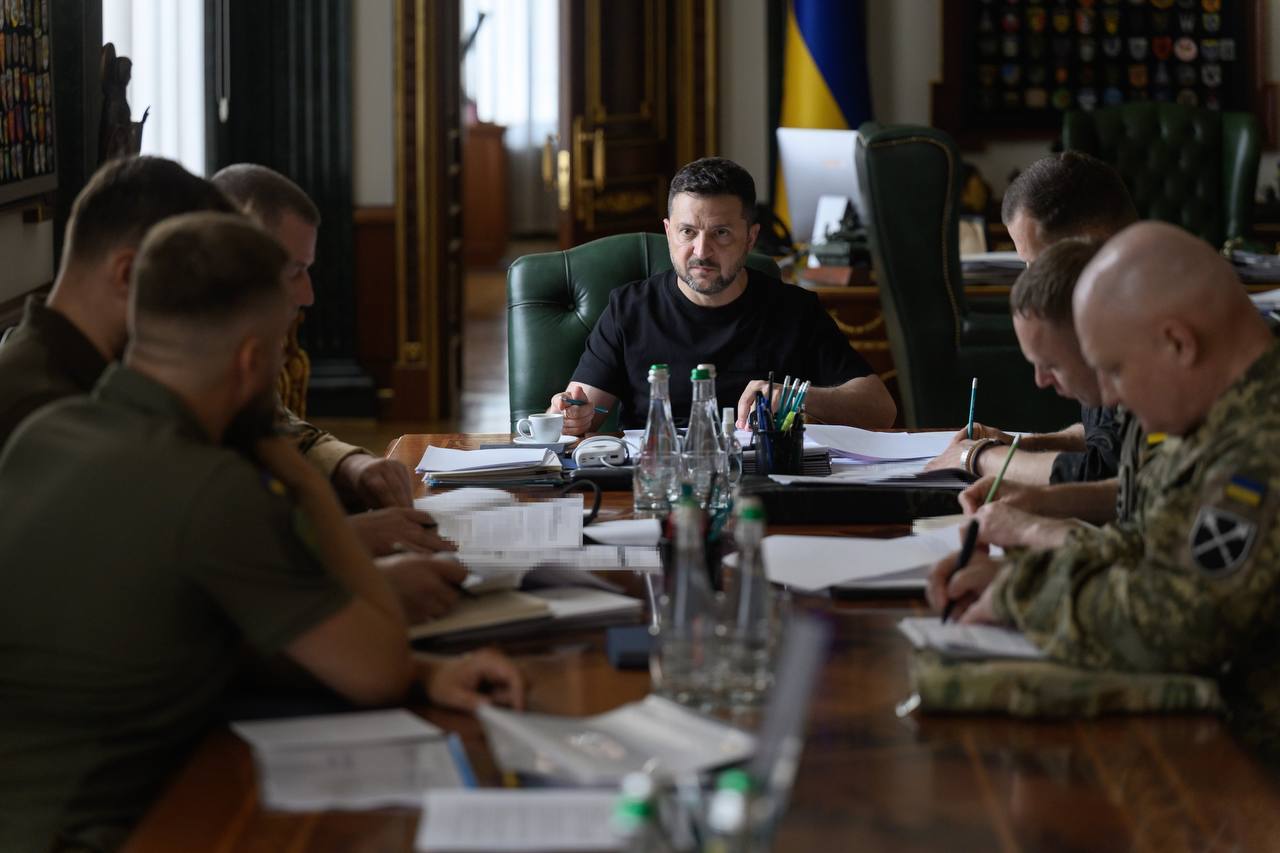
President Volodymyr Zelenskyy announced that the extension of Ukraine’s long-range operations against Russia had been approved, along with an update to the list of priority targets. According to him, the strike range now exceeds 3,000 kilometres, and since the start of the year, over a thousand strike missions have been carried out as part of the «long-range sanctions» plan.
Briefly about the main points
- The range of Ukrainian strikes exceeded 3,000 kilometres.
- At the meeting, it was agreed to continue long-haul operations.
- The list of priority objectives has been updated following an assessment of the impact on Russia.
- Since the start of the year, over a thousand live-fire exercises have been carried out.
- Ukraine sees the campaign as a means of creating the right conditions for diplomacy.
New campaign priorities
Volodymyr Zelenskyy stated that the plan for far-reaching sanctions against Russia is being implemented in accordance with the established priorities. During a meeting on diplomatic strikes, the parties agreed on further operations and reviewed the list of targets in line with their impact on Russia’s ability to continue and prolong the war.
According to the president, the targets already struck include oil facilities, critical military production sites and systemically important Russian logistics facilities. He did not provide any details of the updated list of targets.
A range of over 3,000 kilometres
Ukraine continues to expand its capabilities to strike targets at even greater ranges, Mr Zelenskyy said. He noted that Ukrainian drones have already hit targets in the Ural region, Siberia and other parts of Russia far from Moscow.
The President also stated that the bulk of Russia’s air defences are concentrated around Moscow, state residences, the Crimean Bridge and St Petersburg. In his view, the strategic depth of the rear, which Russia had long regarded as an advantage, has become a problem for its political and military leadership.
The oil industry and logistics under pressure
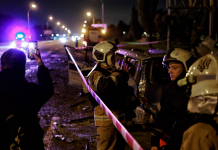
The Ukrainian authorities have identified oil refining, military logistics, arms production and the supply of components for the Russian defence industry as the targets of the campaign. In July, long-range attacks continued, particularly in Siberia: on 25 July, a Russian governor reported a fire on the territory of Tyumen Oil Refinery.
Reuters had previously reported on attacks on Russian oil refineries, following which the facilities had either completely or partially halted processing. The agency also noted a reduction in the production of petrol, diesel and aviation fuel, as well as local difficulties with fuel supplies in regions across the Russian Federation.
Repeated strikes may force Russia to spend resources on repairs, reallocate fuel supplies and step up defences at a greater number of facilities. At the same time, publicly available data does not allow for an assessment of the total economic losses or the consequences of each individual attack.
Kyiv’s diplomatic objective
Zelenskyy described the main aim of the long-term pressure as being to encourage Russia to engage in diplomacy by making it more difficult to produce weapons components and by inflicting losses in the oil sector and other economic areas. He emphasised that Ukraine had provided the Russian political leadership with the necessary proposals to end the war «a decent peace».
Linking the strikes to the negotiation process is Kyiv’s stated political objective. It is impossible to determine from publicly available information exactly to what extent these long-range operations have already altered Moscow’s stance on the negotiations.