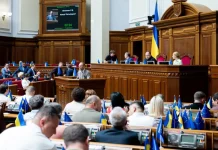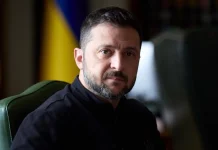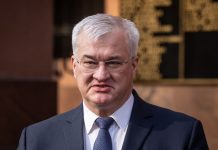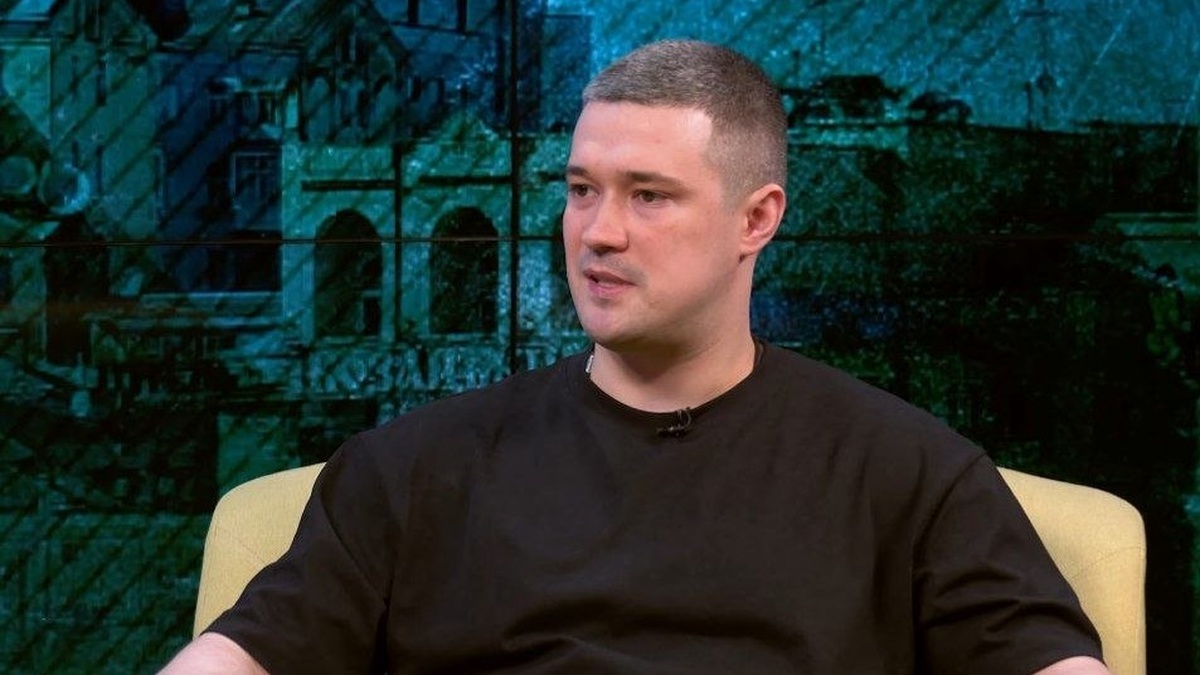
Oleksiy Honcharenko, chair of the Verkhovna Rada’s temporary investigative committee, stated that former Defence Minister Mykhailo Fedorov is ignoring the invitation to a meeting scheduled for 31 August. According to the MP, the summons was sent on 25 August, and should he fail to appear, the committee may initiate compulsory attendance. Goncharenko described this as a sign of disrespect towards parliament.
Briefly about the main points
- A meeting of the Temporary Investigation Commission, to be attended by Fedorov, has been scheduled for 31 August.
- Goncharenko claims that the invitation was sent on 25 August.
- The chair of the committee has authorised the initiation of compulsory attendance.
- The Temporary Investigation Commission is investigating possible breaches in the defence and anti-corruption sectors.
A summons may be issued in the event of a failure to appear
Goncharenko stated that in the absence of Fedorova The commission will exercise its right to order his appearance, and the law enforcement agencies must bring the person in question before the commission.
The law stipulates that a person who has been duly summoned is obliged to appear before the Temporary Investigation Commission or to give advance notice if they are unable to do so. Whether a person is brought before the commission in a specific case depends on the circumstances surrounding the service of the summons, any valid reasons for non-attendance, and the commission’s decision.
The Commission is investigating possible breaches during martial law
The Temporary Investigation Commission, headed by Goncharenko, is investigating possible breaches of defence legislation and anti-corruption laws during martial law. Its work serves as a tool for parliamentary oversight and does not, in itself, establish the guilt of any specific individual.